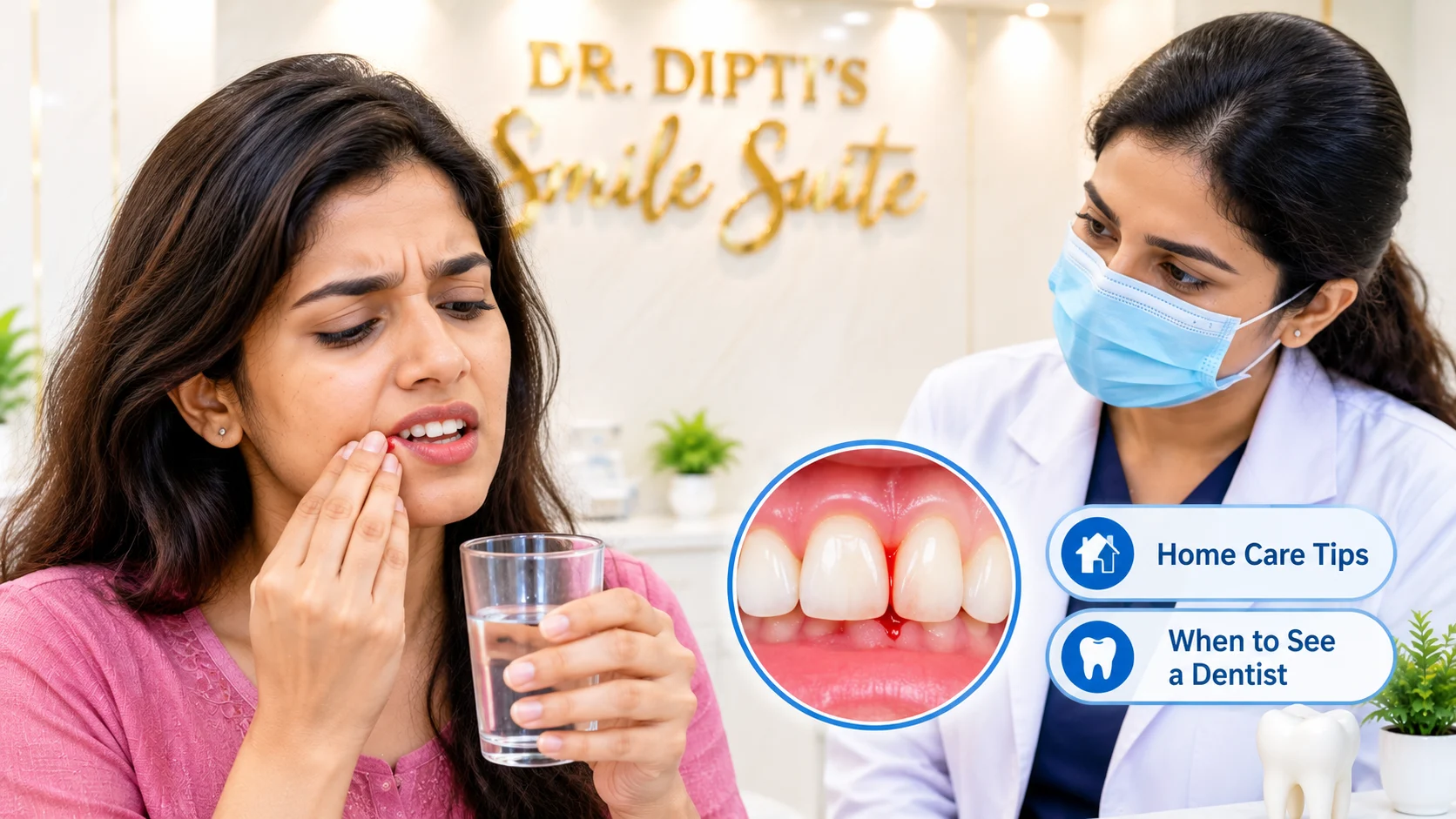
The good news is that early gum inflammation is reversible. With the right routine, many people can stop bleeding gums at home within two weeks. This guide explains:
- How to stop bleeding gums with a practical day-by-day plan
- Which home remedies help and which ones are myths
- The warning signs that mean you should see a dentist or a doctor promptly
You are far from alone if your gums bleed. A 2020 meta-analysis of 30 studies covering more than 92,000 Indian adults found that 51% had some form of periodontal disease and 46.6% had gingivitis. Worldwide, the WHO estimates that around one billion people have severe gum disease, a leading cause of tooth loss. Most of these cases began with bleeding that nobody took seriously.
Why Gums Bleed: Understanding the Warning Sign
Plaque is a soft, sticky film of bacteria that forms on teeth every day. When it sits along the gumline for more than a day or two, the gums react with inflammation. They become red, swollen and fragile, and the tiny blood vessels inside break easily when a brush or floss touches them.
If plaque is not removed, it hardens into tartar (calculus) within days. Tartar cannot be brushed off at home and keeps irritating the gums, so the bleeding continues no matter how carefully you brush.
Gingivitis and periodontitis: two stages of the same problem
Gingivitis is the early stage. The gums are inflamed and bleed, but the bone and fibres holding the teeth are still intact. At this stage, the damage is fully reversible with good home care and a professional cleaning.
Periodontitis is the advanced stage. Inflammation spreads below the gumline and destroys the bone and fibres that anchor the teeth. Gaps called pockets form between the teeth and gums, and these pockets collect more bacteria. Bone lost to periodontitis does not grow back on its own. Without treatment, teeth can become loose and may eventually be lost.
The bleeding often looks the same in both stages. Only a gum examination can tell which one you have.
Common Causes of Bleeding Gums
Plaque is the main cause in most people, but several other factors make gums bleed more easily or hide a deeper problem.
Plaque and tartar build-up
Brushing that misses the gumline, skipping cleaning between the teeth, and going years without a professional cleaning all let plaque and tartar accumulate. The back teeth and the inside surfaces of the lower front teeth are the most common problem areas.
Brushing too hard or starting to floss
Hard bristles and an aggressive scrub can injure healthy gums. If you have just started flossing, mild bleeding during the first week is common. It usually settles as the gums heal and become firmer.
Tobacco, gutka and smoking
Tobacco reduces blood flow to the gums, which can actually hide bleeding while the disease gets worse underneath. A cross-sectional survey in Meerut found that gum disease was more severe in smokers and in people who cleaned their teeth using a finger and tooth powder. Smokers who quit often notice their gums bleed more for a while. That is the gums’ normal blood flow returning, not a new problem.
Hormonal changes
Pregnancy, puberty, menstrual cycles and hormonal medicines make gums react more strongly to plaque. Pregnancy gingivitis is very common, especially in the second trimester.
Diabetes and other health conditions
Poorly controlled blood sugar makes gum infections more frequent and more severe, and active gum disease can make blood sugar harder to control. Persistent bleeding gums are sometimes the first sign that leads someone to a diabetes diagnosis.
Medicines
Blood thinners such as aspirin, warfarin and newer anticoagulants make gums bleed more easily. Some blood pressure, seizure and immune-suppressing medicines can cause gum overgrowth, which traps more plaque. Never stop or change a prescribed medicine on your own. Discuss it with your doctor first.
Nutritional deficiencies
A severe lack of vitamin C (scurvy) or vitamin K can cause bleeding gums. This is uncommon, but it can occur with very restricted diets or poor absorption.
Faulty fillings, crowns, braces and dentures
Overhanging fillings, poorly fitting crowns, braces brackets and loose dentures create spots where plaque collects and the brush cannot reach. Crowded or overlapping teeth cause the same problem.
How to Stop Bleeding Gums at Home: A Two-Week Plan
For mild bleeding caused by plaque, this routine can calm the gums within 10 to 14 days. Follow it consistently, because one good day does not undo weeks of build-up.
Step 1: Control the bleeding in the moment
Rinse your mouth with cool water. If one spot keeps bleeding, press a clean, damp gauze or cotton pad gently against it for 5 to 10 minutes. Do not keep spitting forcefully, because that can restart the bleeding.
Step 2: Keep brushing, but brush correctly
Many people avoid brushing a bleeding area, which is the opposite of what helps. The bleeding comes from plaque, so the plaque needs to go. Use this technique:
- A soft-bristled brush (manual or electric)
- The brush angled at 45 degrees towards the gumline
- Small, gentle circles or short vibrating strokes, not a hard horizontal scrub
- Two full minutes, twice a day, covering every surface including the backs of the teeth
- A fluoride toothpaste; an anti-gingivitis paste with stannous fluoride can give extra help
Step 3: Clean between the teeth daily
A toothbrush cannot reach between the teeth, where gum disease usually starts. Choose one method and use it every day:
- Dental floss: slide it gently between the teeth and curve it into a C-shape around each tooth
- Interdental brushes: best for larger gaps, around bridges and for people with gum recession
- Water flossers: useful with braces, implants and bridges, or for people who find floss difficult
Expect a little bleeding for the first few days. It should reduce steadily by the second week.
Step 4: Rinse with warm salt water
Stir half a teaspoon of salt into a glass of warm water. Swish it gently for 30 seconds after meals for a few days. It soothes irritated gums and keeps the area clean, but it does not remove plaque. Use it alongside brushing, not instead of it.
Step 5: Use a mouthwash wisely
An alcohol-free antibacterial mouthwash can support gum healing. Chlorhexidine mouthwash is effective, but use it only for a short course when your dentist advises it, because long-term use stains teeth and changes taste.
Step 6: Support your gums from the inside
- Eat vitamin C-rich foods every day, such as amla, guava, oranges, lemon, capsicum and leafy greens
- Cut down on frequent sugary snacks and drinks, which feed plaque bacteria
- Drink enough water, especially if you breathe through your mouth at night
- Stop smoking and chewing tobacco, gutka or paan masala
Home remedies: what helps and what doesn’t
Turmeric paste, clove oil and aloe vera gel are popular in Indian homes. They may soothe sore gums, but none of them removes plaque or tartar, so they cannot cure gum disease on their own. Avoid rubbing tooth powder, charcoal, salt crystals or baking soda hard on the gums, because these can scratch enamel and injure gum tissue. Never place aspirin tablets against the gums, as this causes chemical burns.
What to Expect: The Two-Week Test
If the cause is simple plaque-related gingivitis, you should see clear progress:
- Days 1 to 4: bleeding may continue or briefly increase as you start cleaning between the teeth
- Days 5 to 10: less bleeding, less puffiness, and the gums look pinker and firmer
- Days 10 to 14: little or no bleeding during brushing and flossing
If your gums still bleed after two weeks of following this routine properly, tartar or deeper gum disease is almost certainly involved. No home routine can remove tartar, so it is time for a professional cleaning.
Read more: Signs of Gum Disease You Shouldn’t Ignore
When to Get Help for Bleeding Gums
Book a dental visit soon if you notice:
- Bleeding that continues after two weeks of good home care
- Gums that are swollen, dark red, tender or pulling away from the teeth
- Persistent bad breath or a bad taste in the mouth
- Teeth that look longer, have new gaps, or feel loose
- Pus between the teeth and gums
- Pain when chewing, or a change in how your teeth bite together
- Bleeding around an implant, crown, bridge or braces
Seek urgent medical care if:
- Bleeding does not stop after 15 to 20 minutes of firm pressure
- Gums bleed on their own, without brushing, along with unexplained bruising, nosebleeds, extreme tiredness, fever or frequent infections
- Bleeding is heavy and you take blood-thinning medicine
- Bleeding follows an injury to the face or mouth
- There is rapidly spreading swelling in the face or neck, or difficulty swallowing or breathing
Sudden, unexplained gum bleeding together with these general symptoms can point to a blood or clotting disorder, so contact a doctor promptly.
Professional Treatment for Bleeding Gums at Dr. Dipti’s Smile Suite
Professional care removes what home care cannot reach and fixes the problems that keep gums inflamed. Treatment always starts with a clear diagnosis.
Complete gum examination
We measure the depth of the space between each tooth and gum, record where the gums bleed, check for loose teeth and receding gums, and use digital X-rays to assess the bone around the teeth. This tells us whether you have gingivitis or periodontitis, and how far it has progressed.
Scaling and polishing
For gingivitis, a professional cleaning removes plaque and tartar from above and just below the gumline, then polishes the teeth so plaque cannot stick as easily. Most people see a dramatic reduction in bleeding within one to two weeks.
Read more: How Often Should You Get Teeth Scaling and Polishing
Deep cleaning (scaling and root planing)
When pockets have formed, we clean deeper along the root surfaces under local anaesthesia. This removes the hardened deposits and bacteria causing the infection, and smooths the roots so the gums can reattach. Advanced cases may need more gum procedures and closer follow-up.
Fixing plaque traps
Overhanging fillings, leaking restorations and badly fitting crowns keep gums inflamed however well you brush. We replace them with smooth, well-sealed tooth-coloured composite fillings, and with precisely fitted crowns designed and made in-house using CAD/CAM technology.
Explore: Composite Filling in Faridabad | Dental Crowns and Bridges in Faridabad
Straightening crowded teeth
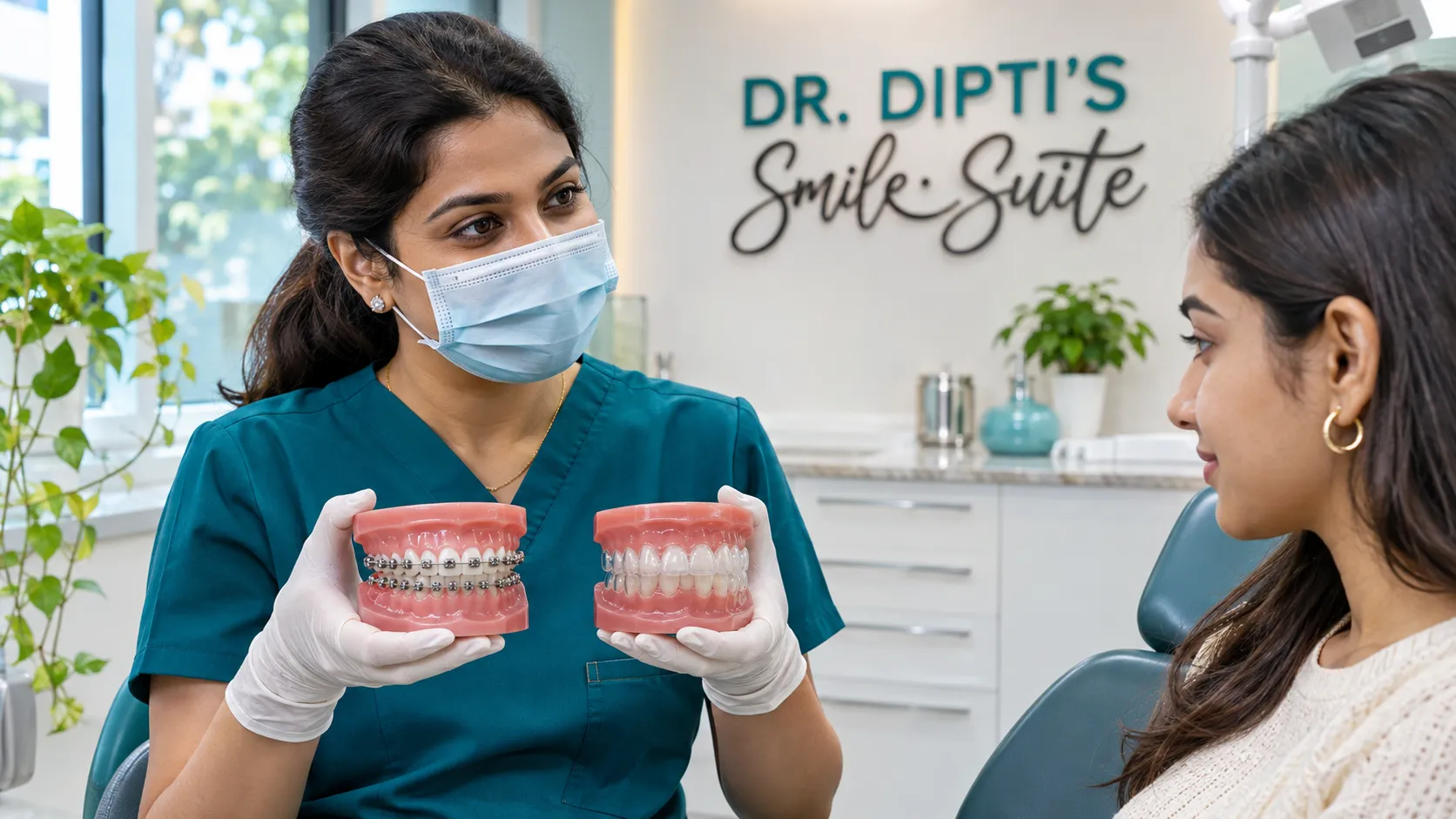
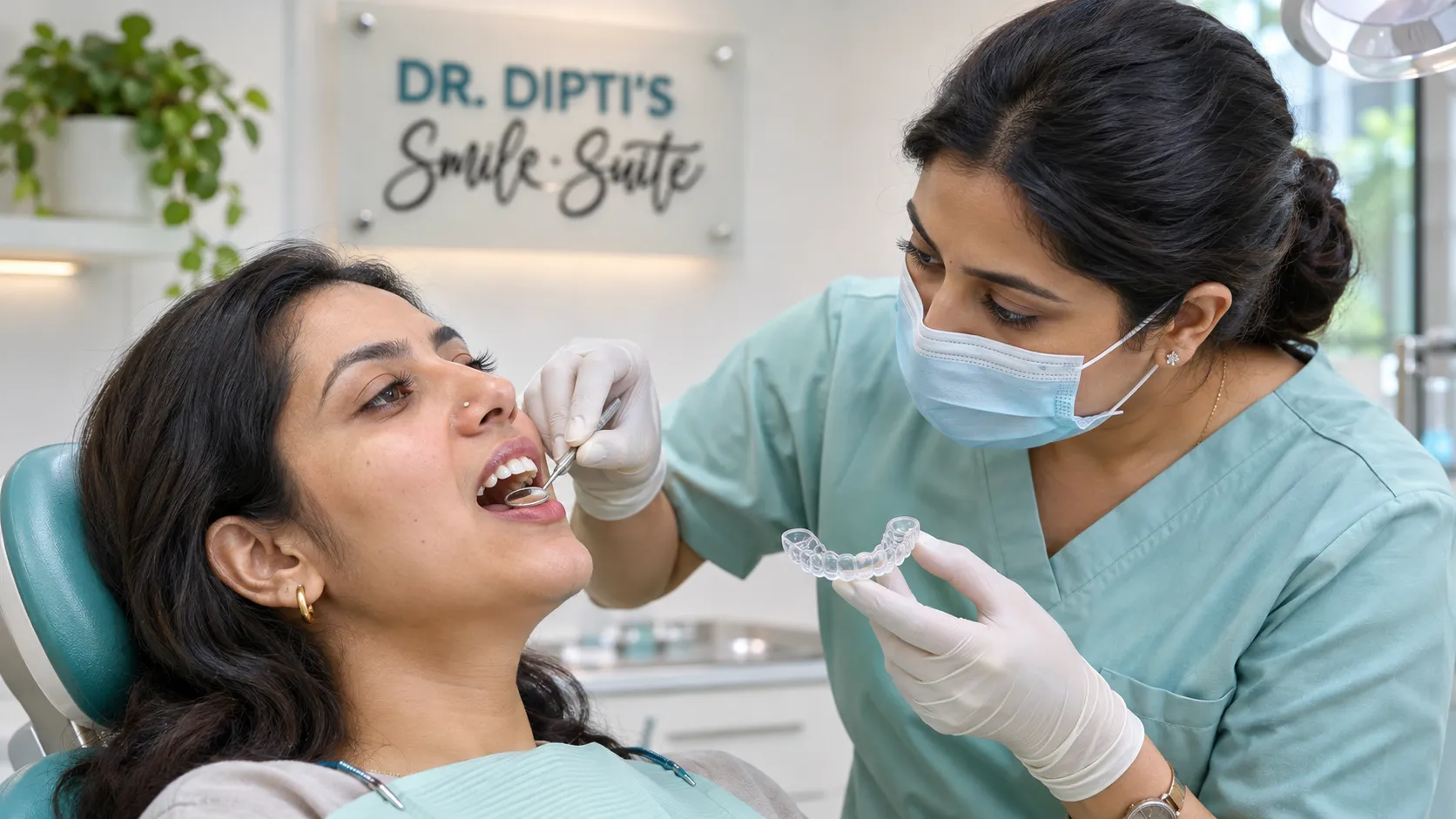
Crooked and overlapping teeth are hard to clean, so plaque and bleeding keep returning. Braces or Invisalign clear aligners can align the teeth for easier cleaning and healthier gums. Aligners have an extra benefit here: you remove them to brush and floss normally. As a Black Diamond Invisalign provider, we plan each case digitally. Gum health is always stabilised before orthodontic treatment starts.
Explore: Invisalign Aligners in Faridabad | Orthodontics in Faridabad
Wisdom tooth gum infections
A partly erupted wisdom tooth often has a flap of gum over it that traps food and bleeds, swells and hurts. We clean and treat the area, and when the problem keeps coming back, we remove the wisdom tooth with careful oral surgery.
Explore: Oral Surgery in Faridabad | Read more: Wisdom Tooth Removal in Faridabad: Procedure, Recovery and Cost
Replacing teeth lost to gum disease
When advanced gum disease has already cost teeth, we first bring the gums under control. Then we restore function and appearance with dental implants, bridges or full mouth rehabilitation. Healthy gums are essential for long-term implant success.
Explore: Dental Implants in Faridabad | Read more: Full Mouth Dental Implant Cost in Faridabad
Cosmetic treatment after gum health is restored
Many patients who come in for bleeding gums later choose teeth whitening, veneers or a complete smile makeover. We always treat the gums first, because cosmetic work on inflamed gums gives poorer and shorter-lasting results.
Explore: Smile Makeover in Faridabad | Teeth Whitening in Faridabad
Quick guide: problem and matching treatment
| Situation | What helps most |
|---|---|
| Mild bleeding, recently started | Two-week home plan: soft brush, daily interdental cleaning |
| Bleeding beyond two weeks, visible tartar | Professional scaling and polishing |
| Pockets, receding gums, bad breath | Deep cleaning (scaling and root planing) and follow-up |
| Bleeding around old fillings or crowns | Replacement composite fillings or new crowns |
| Crowded teeth that are hard to clean | Braces or Invisalign after gums are stable |
| Swollen gum over a wisdom tooth | Cleaning and treatment, or wisdom tooth removal |
| Teeth lost to gum disease | Gum control, then implants, bridges or full mouth rehabilitation |
Bleeding Gums in Special Situations
During pregnancy: Hormones make gums bleed more easily. Dental cleanings are generally safe during pregnancy, and the second trimester is usually the most comfortable time. Tell us you are pregnant so we can plan care, including any X-rays, appropriately.
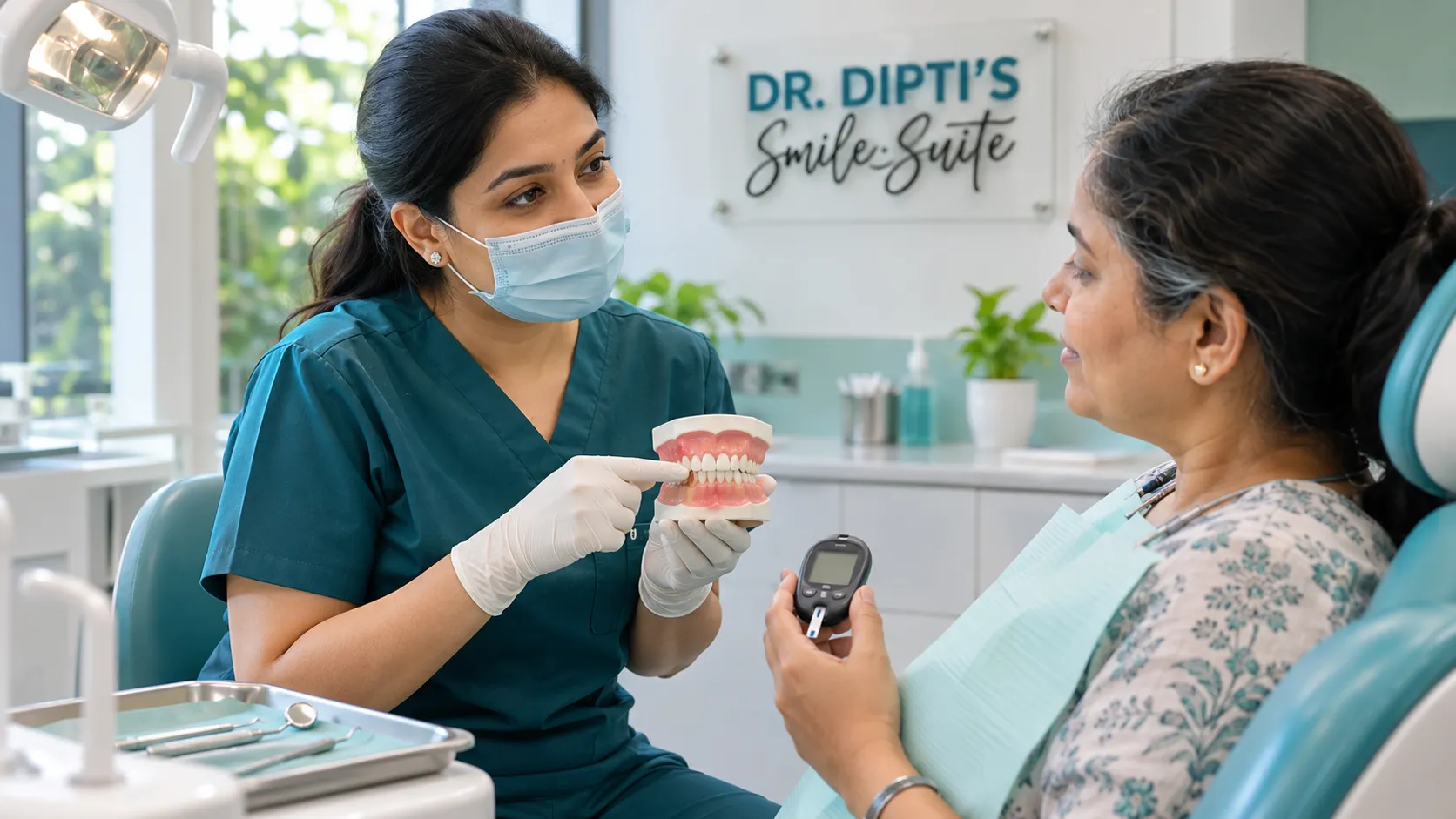
With diabetes: Gum treatment and blood sugar control support each other. Let us know your latest HbA1c and medicines so we can plan treatment and healing safely.
In children: Bleeding gums in children usually come from plaque, erupting teeth or braces. Our pediatric dentistry team teaches brushing in a fun, practical way and keeps check-ups comfortable.
Explore: Pediatric Dentistry in Faridabad
With braces or aligners: Plaque collects around brackets, so use interdental brushes or a water flosser daily. Aligner wearers should brush before putting the trays back in.
Around dental implants: Bleeding around an implant can be an early sign of peri-implant inflammation. Get it checked promptly, because it is easier to manage early.
With dentures: Clean dentures daily, remove them at night, and get loose dentures adjusted. Rubbing dentures irritate the gums and cause sore, bleeding spots.
How to Prevent Bleeding Gums Long Term
Once your gums are healthy, these habits keep them that way:
- Brush twice a day with a soft brush and fluoride toothpaste
- Clean between your teeth once a day, every day
- Replace your toothbrush every three months, or sooner if the bristles splay
- Get a check-up and scaling every six months, or every three to four months if you have had periodontitis
- Avoid all forms of tobacco
- Keep diabetes and other health conditions well controlled
- Fix broken fillings, rough crowns and loose dentures early
Get Help for Bleeding Gums in Faridabad
Bleeding gums are one of the few dental problems that announce themselves early, while the damage is still easy to reverse. Start the two-week plan today: soft brush, correct angle, daily cleaning between the teeth. If the bleeding has not settled by the end of it, or you notice any of the warning signs above, a gum check-up is the next step.
At Dr. Dipti’s Smile Suite, we examine your gums thoroughly, explain what we find in simple terms, and start with the gentlest treatment that solves the problem.
Dr. Dipti’s Smile Suite
SCF 142, Sector 14, HUDA Market, Faridabad, Haryana 121007
Call / WhatsApp: +91 88828 50066
Monday to Saturday: 10:00 AM – 3:00 PM and 5:30 PM – 8:00 PM