Published by Dr. Dipti’s Smile Suite, Sector 14, Faridabad
Most adults in Faridabad book a dental appointment only when something hurts. By then, hardened tartar has often been sitting along the gumline for months, quietly irritating the gums underneath.
That is why teeth scaling and polishing exists as a routine visit rather than a repair. It removes the buildup that brushing leaves behind, before it turns into bleeding gums, bad breath, or gum disease.
The usual advice is a professional cleaning every six months, but that number is a starting point, not a rule. Some mouths stay healthy with one visit a year. Others need a cleaning every three to four months. This guide helps you work out which group you belong to, what happens during the visit, and what to do afterwards.
The Short Answer: Most Adults Need a Cleaning Every Six Months
For a healthy adult with no gum problems, a professional cleaning every six months keeps tartar under control and gives your dentist regular chances to catch small problems early.
Six months works because plaque never stops forming. Even careful brushers miss spots, usually behind the lower front teeth, along the gumline, and between the back molars. Plaque left in those areas can harden into tartar within a few days, and once it hardens, no toothbrush can remove it.
Your own interval depends on how quickly tartar builds up in your mouth, how healthy your gums are, and your general health. A dentist who has examined your gums is the right person to set it, which is why the best schedule is the one agreed at your checkup, not a number from the internet.
What Teeth Scaling and Polishing Actually Does
People often use the two words as if they mean one thing. They are two separate steps with different jobs.
Scaling: removing what brushing cannot
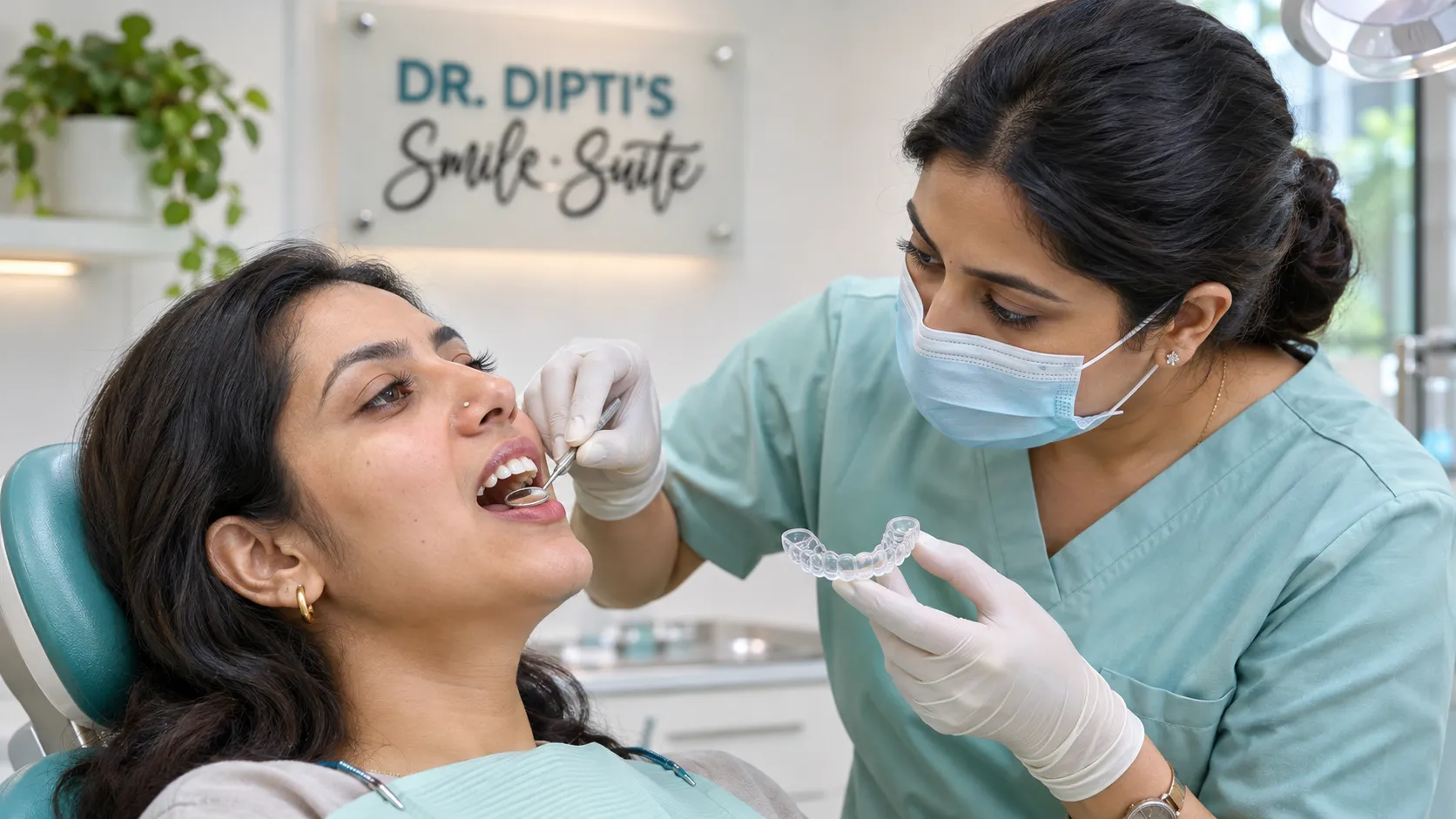
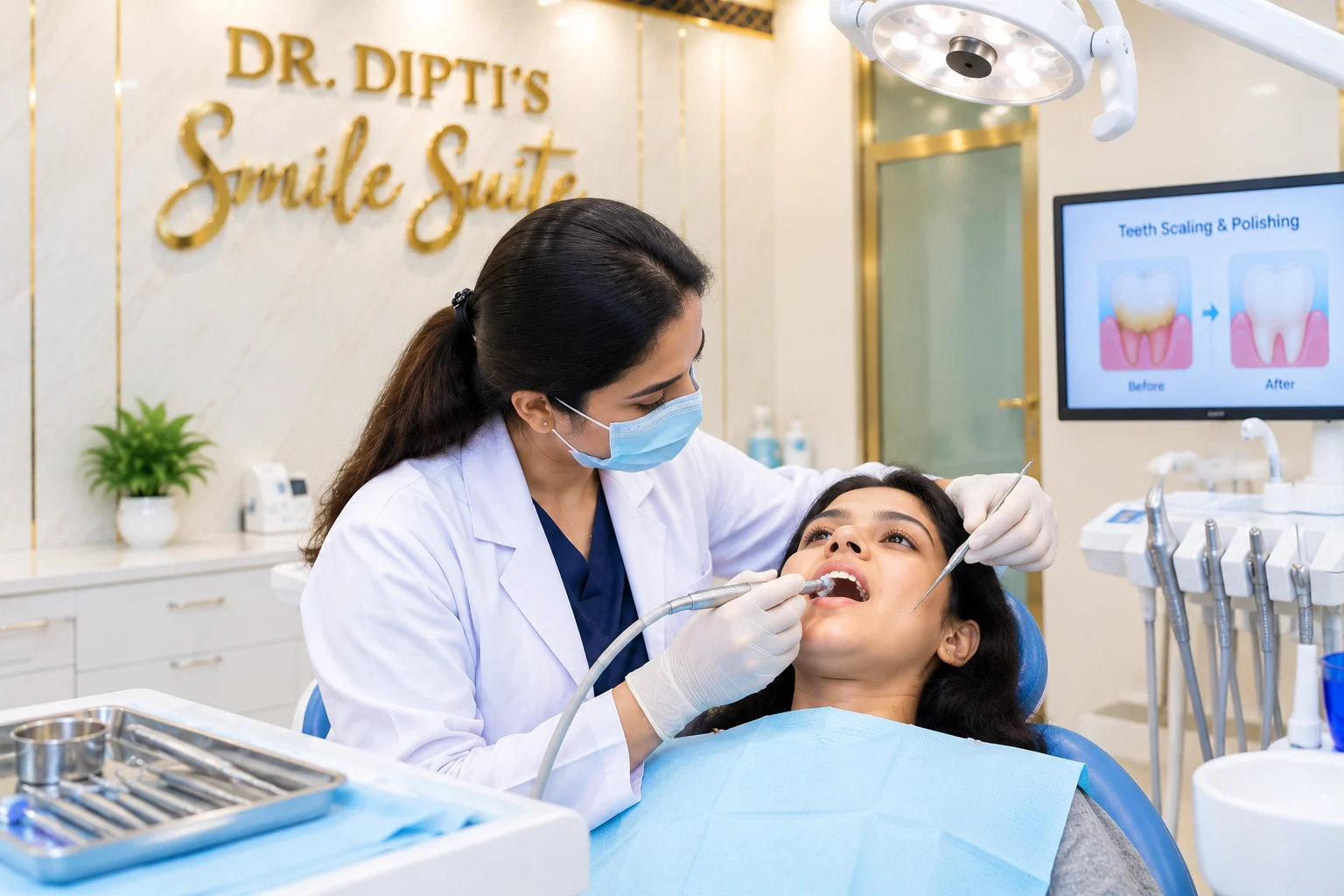
Scaling removes plaque and tartar from the tooth surface and from just below the gumline. Most clinics use an ultrasonic scaler, which loosens deposits with fine vibrations and a gentle water spray. Hand instruments then clear whatever is left in tight spots.
Polishing: smoothing the surface
Polishing comes after scaling. A soft rubber cup and a gritty paste smooth the enamel and lift surface stains from tea, coffee, and tobacco. A smooth surface also gives new plaque less to cling to.
Why brushing alone is not enough
Brushing and flossing control fresh plaque. They cannot remove tartar that has already hardened, and tartar has a rough surface that collects even more plaque. This is why people who brush twice a day can still have bleeding gums.
Finding Your Own Schedule
Think of the intervals below as three common starting points. Your dentist will confirm or adjust them after looking at your gums.
Every 12 months for low-risk mouths
Some adults have healthy gums, very little tartar, and excellent home care. If your dentist has examined you and confirmed this, a yearly cleaning alongside a regular checkup may be enough. This is the exception, not the default.
Every six months for most adults
This is the standard schedule. If your gums are healthy but tartar forms at a normal pace, twice a year keeps everything in check.
Every three to four months for higher-risk mouths
A shorter interval is usually advised if any of these apply:
- You have a history of gum disease or have had deep scaling before
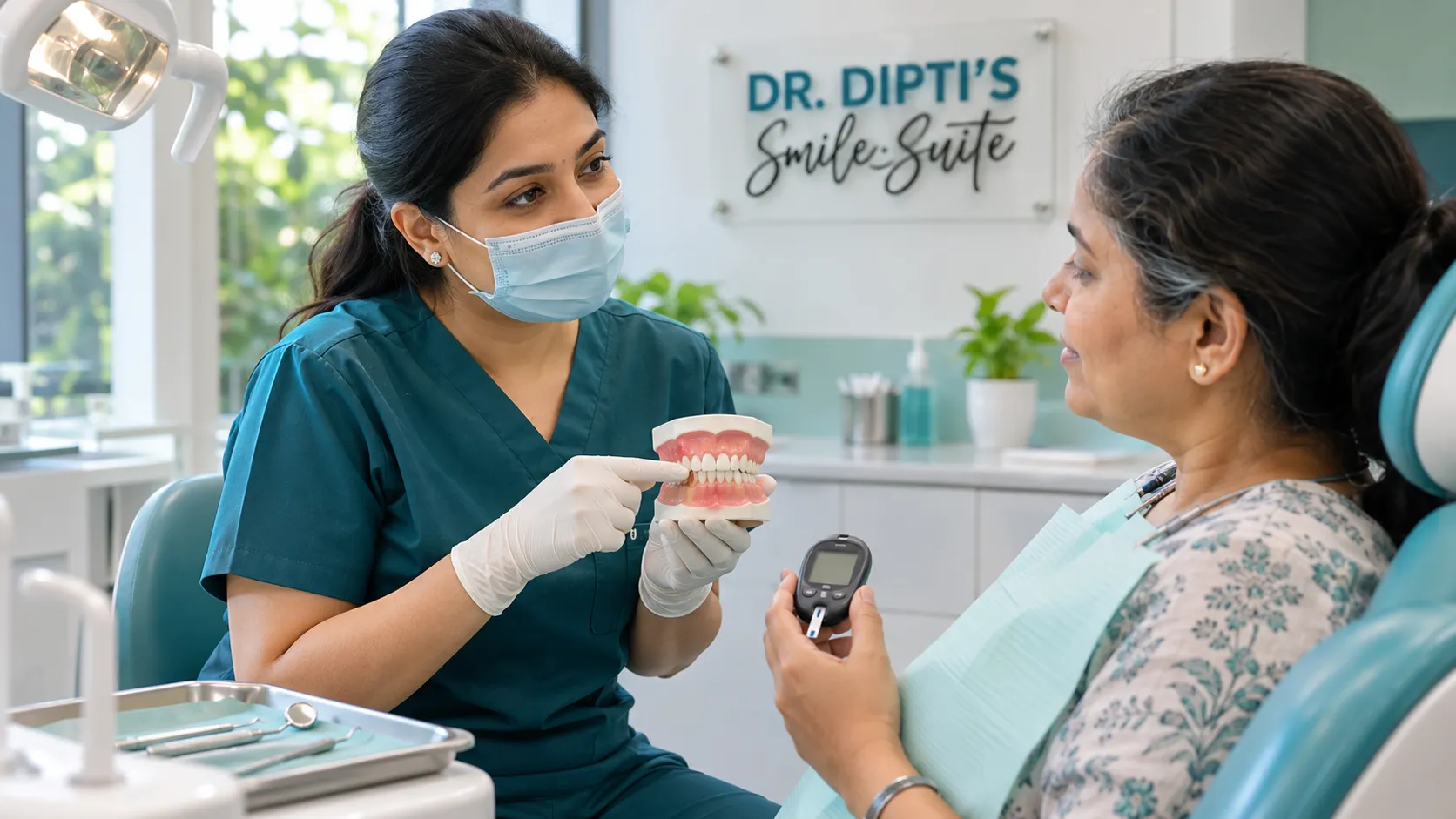
- You have diabetes, which makes gums more prone to infection
- You smoke or chew tobacco
- Tartar forms quickly on your teeth
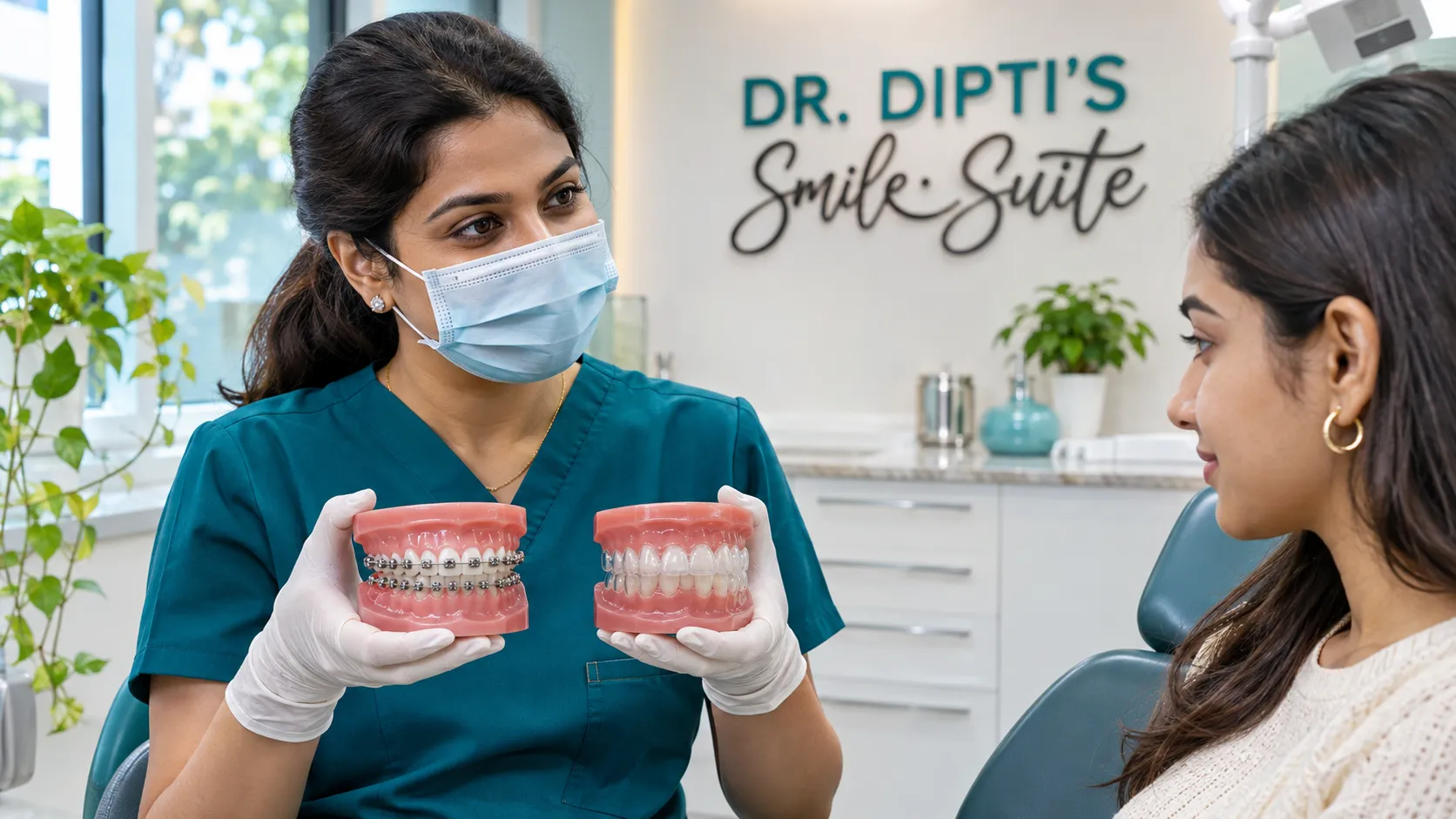
- You wear braces or clear aligners, which make cleaning harder
- You have implants, crowns, or bridges that need careful maintenance
- You have a dry mouth
Children and teenagers
Children do not need scaling by default, but those with visible tartar, stains, or braces may benefit. Our pediatric dentistry team checks each child individually and recommends a cleaning only when it is needed.
Signs You Should Not Wait for Your Next Appointment
Do not wait for your usual interval if you notice any of these:
- Gums that bleed when you brush or floss
- Bad breath that returns soon after brushing
- Yellow or brown rough deposits near the gumline
- Red, swollen, or tender gums
- Gums that look like they are pulling away from the teeth
- Teeth that feel rough when you run your tongue over them
- Teeth that feel loose or look like they are shifting
Some of these signs point to gum disease, which needs an examination and not just a cleaning. If your teeth feel loose, book a visit soon rather than at your next routine date.
A Step-by-Step Look at the Appointment
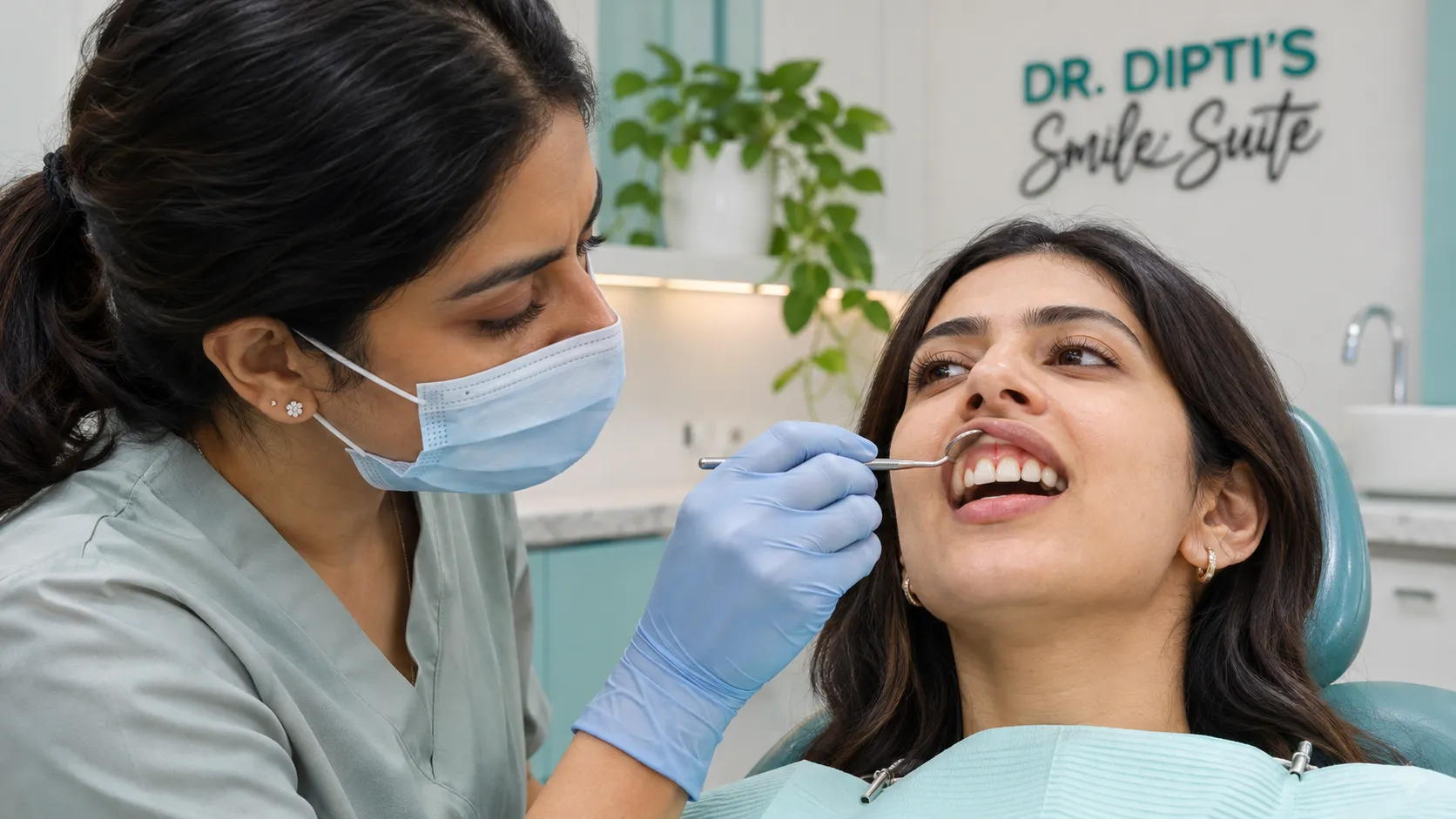
Knowing what happens removes most of the fear. A typical visit takes about 30 to 60 minutes.
- Examination. The dentist checks your teeth and gums, looks for signs of gum disease, and decides how deep the cleaning needs to go.
- Scaling. The ultrasonic scaler clears tartar above and just below the gumline. Hand instruments finish the tight areas.
- Polishing. Polishing paste removes surface stains and smooths the enamel.
- Rinse and flossing. The mouth is rinsed and the spaces between teeth are cleaned.
- Advice. You receive guidance on brushing, flossing, and the right interval for your next visit.
How much does it hurt?
For most people, a routine cleaning is comfortable. You may feel vibration, a little pressure, or brief sensitivity on teeth that are already tender. If your gums are inflamed, they may bleed a little. Tell your dentist if anything feels sharp and they can adjust or numb the area.
When deep scaling is needed
If tartar has built up well below the gumline and the gums have started to pull away, a deeper cleaning called deep scaling may be advised. It is often done with local anaesthesia and sometimes over more than one visit. Your dentist will explain why it is needed before starting.
What to expect afterwards
Mild gum tenderness and slight sensitivity for a day or two are common. Some people notice small gaps or a looser feel once heavy tartar is gone. The teeth have not weakened. The tartar was filling those spaces, and the swollen gums were hiding them. As the gums heal and settle, the spaces become visible.
Benefits of Regular Cleaning and the Risks of Skipping It
Regular cleaning gives you:
- Healthier, firmer gums that bleed less
- Fresher breath
- Early detection of cavities and gum problems
- Less surface staining
- A cleaner base for other dental treatments
Skipping it for years can lead to:
- Gum disease that progresses from red, swollen gums to bone loss around the teeth
- Persistent bad breath
- Deeper stains and tartar that become harder to remove
- Teeth that loosen as the supporting bone weakens
An honest note: scaling and polishing removes surface stains, but it does not change the natural shade of your teeth. If you want a visibly brighter smile, whitening is a separate treatment.
Aftercare: Do’s and Don’ts After Teeth Scaling and Polishing
Do
- Brush gently twice a day with a soft toothbrush
- Floss daily so plaque does not collect again
- Rinse with warm salt water if your gums feel tender
- Use a toothpaste for sensitive teeth if hot or cold drinks bother you
- Keep to the revisit interval your dentist gave you
Don’t
- Brush hard to make up for the cleaning
- Skip flossing because your teeth feel smooth
- Smoke or use tobacco, which brings stains and tartar back quickly
- Ignore gum bleeding that continues beyond a week
- Wait for pain before booking your next visit
How a Clean Mouth Supports Every Other Treatment
A professional cleaning is often the first step before other dental work, because clean teeth and healthy gums give every treatment a better chance of lasting. At Dr. Dipti’s Smile Suite, it connects with almost everything we offer:
- Before Invisalign Aligners or Orthodontics, a cleaning keeps gums healthy while teeth move
- Before Teeth Whitening and Zoom whitening, it clears surface stains so the result is even
- Before a Dental Veneer, Smile Makeover, or work with our Cosmetic Dentist, it gives a clean, healthy base
- For Crown and Bridges, it protects the gums around the restoration
- For a Dental Implant, including full mouth implants and same day tooth replacement, regular cleaning keeps the surrounding gum healthy
- Before a Composite Filling, it lets the dentist see the true edges of a cavity
- If tooth pain turns out to be more than a cavity, our Root Canal treatment can save the tooth
- For wisdom teeth or other extractions, healthy gums support smoother Oral Surgery and healing
- For children, our Pediatric Dentistry team keeps cleanings gentle and age appropriate
We also provide one day dentistry, full mouth rehabilitation, digital smile makeover planning, and fluorosis treatment. Visitors from abroad can read about our Dental Tourism options.
Why Choose Dr. Dipti’s Smile Suite for Teeth Cleaning in Faridabad
Finding the best dentist in Faridabad is less about big promises and more about how a clinic treats you in the chair. This is what we focus on.
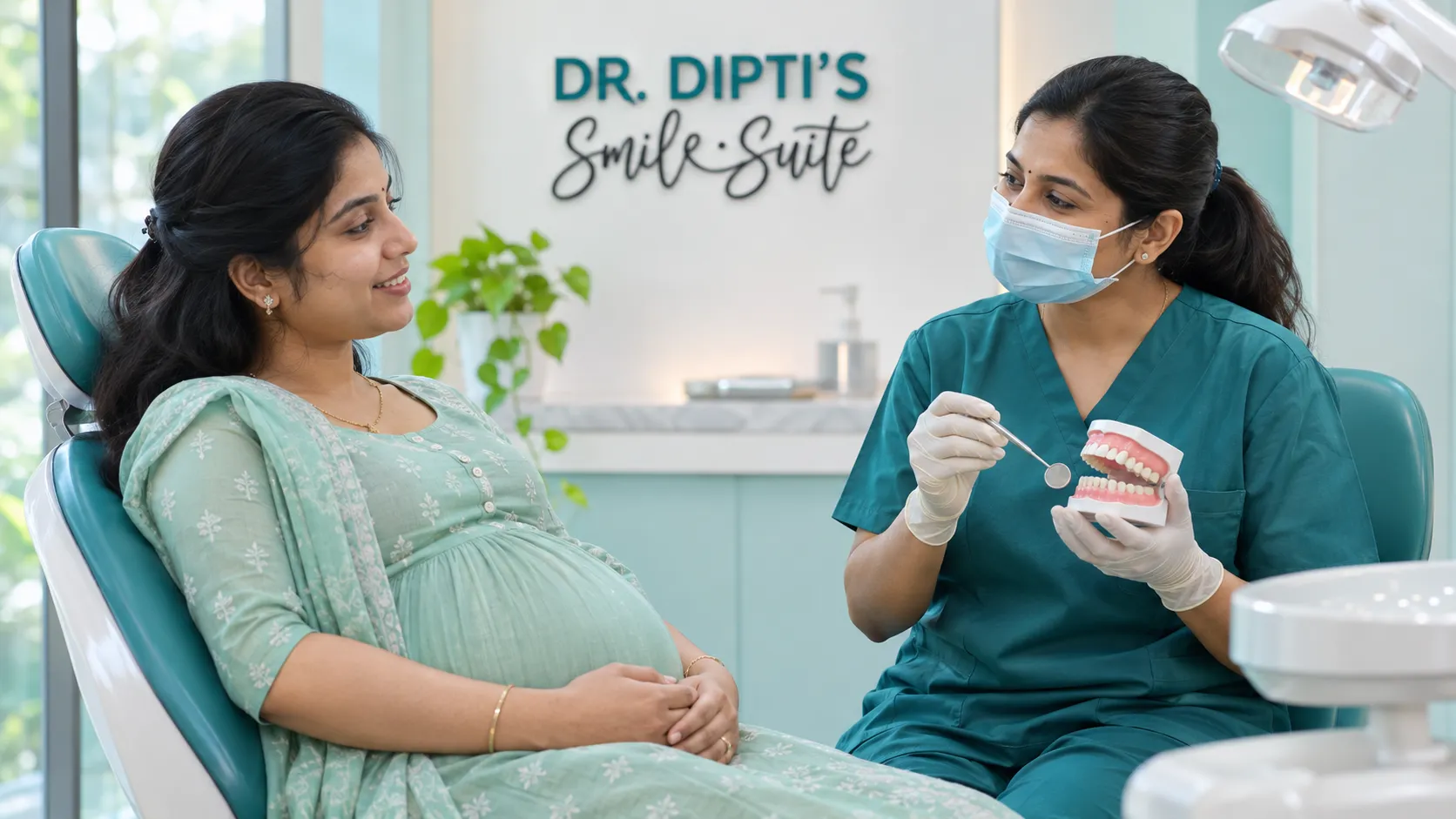
Patient care. Dr. Dipti Goyal and her team explain what they see in plain language before starting anything, so you know why a cleaning is or is not needed. Nervous patients and parents bringing children are given time, not rushed.
Technology. We use advanced equipment, including digital scanning, for accurate diagnosis, and we follow strict sterilization protocols at every visit.
Experience. The clinic has more than 15 years of expertise behind it and has transformed over 10,000 smiles. We are also proud to be a Black Diamond Invisalign provider in Faridabad.
If you have been searching for a dental clinic near you in Faridabad or anywhere across Delhi NCR, our Sector 14 location in Huda Market is easy to reach. Whether you need a routine cleaning or a full dental plan, you will meet a team that treats prevention as seriously as treatment.
Book Your Next Cleaning
If it has been more than six months since your last professional cleaning, or you have noticed bleeding gums or stubborn bad breath, this is a good time to get checked. Book your consultation today at Dr. Dipti’s Smile Suite and visit our Faridabad clinic at SCF 142, Sector 14, Huda Market.
Healthy gums start with a clean mouth. Let us help you keep both. Book an Appointment.
Clinic timings: Monday to Saturday, 10 am to 3 pm and 5:30 pm to 8 pm. Call or WhatsApp 8882850066.