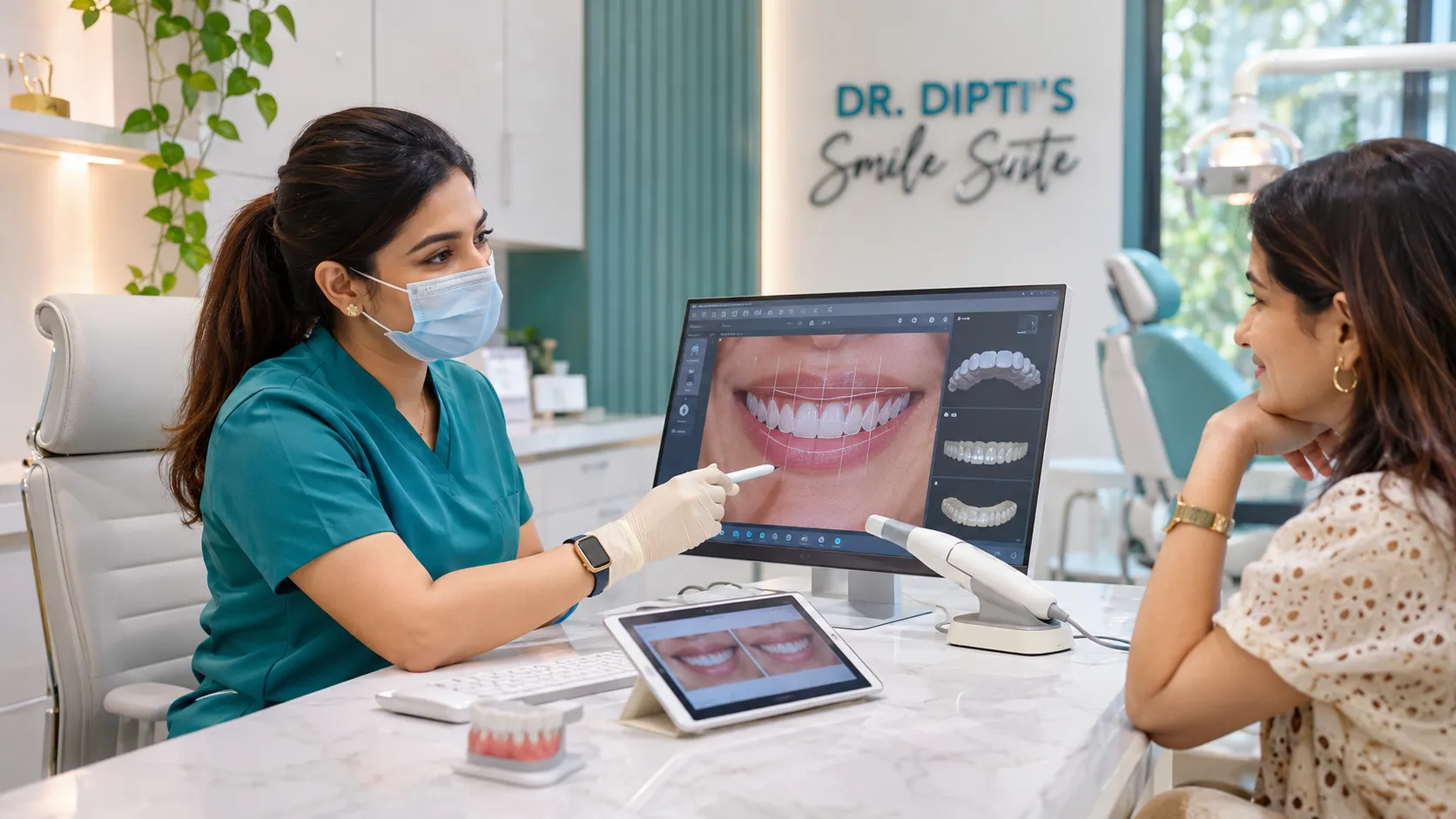
Most people who want a better smile can describe what bothers them: a chipped front tooth, a dark gap, teeth that look too short, or a gummy smile in photos. What they usually cannot describe is what the finished result should look like. That gap between "I don't like my smile" and "this is the smile I want" is exactly where many smile makeovers used to go wrong.
Digital Smile Design (often shortened to DSD) closes that gap. Instead of relying on guesswork, a sketch on paper or a description in words, the dentist uses photographs, videos and digital scans of your face and teeth to plan the new smile on screen before any tooth is touched. You see a preview, give feedback and agree on the design. Only then does treatment begin.
In this guide, we explain what Digital Smile Design is, how the process works step by step, how it improves treatments such as veneers, crowns, whitening and aligners, who it is suitable for, what it can and cannot do, and the questions to ask before you start a smile makeover in Faridabad.
What Is Digital Smile Design?
Digital Smile Design is a planning method for cosmetic and restorative dentistry. It uses digital photographs, video, intraoral scans and design software to analyse the relationship between your teeth, lips, gums and face. The dentist then designs the ideal shape, size, length and position of each tooth to suit your facial features, not just your mouth.
The key idea is that a beautiful smile is about proportions and harmony. The midline of your teeth should line up with the centre of your face. The edges of your upper front teeth should follow the curve of your lower lip when you smile. The amount of gum showing, the width of the front teeth compared with the side teeth and even your age and personality all influence what looks natural.
How it differs from traditional smile planning
Traditionally, a dentist would examine your teeth, take impressions with putty, and a lab technician would create a wax model of the new teeth. You often saw the result only when the final veneers or crowns were ready. If you did not like the shape or length, changes were difficult and expensive.
With digital planning, design decisions are visible from the start. You can compare options, ask for longer or softer-looking teeth, and approve the plan before treatment. This shared decision-making is the biggest practical benefit for patients.
| Aspect | Traditional planning | Digital Smile Design |
|---|---|---|
| Seeing the result | Usually only at the end of treatment | Preview on screen and often a trial mock-up first |
| Basis of design | Mainly the teeth and a plaster or wax model | Your face, lips, gums and teeth analysed together |
| Changes to the design | Difficult once the lab work is made | Easy to adjust before treatment starts |
| Communication with the lab | Written notes and physical models | Shared digital files, photos and the approved plan |
| Your role | Mostly trusting the dentist's description | Actively reviewing and approving your own smile |
Both approaches can produce good results in skilled hands, but digital planning makes the process more visual, more predictable and more collaborative for the patient.
How the Digital Smile Design Process Works
The exact steps vary between clinics and cases, but a typical Digital Smile Design journey looks like this.
Step 1: Consultation and goals
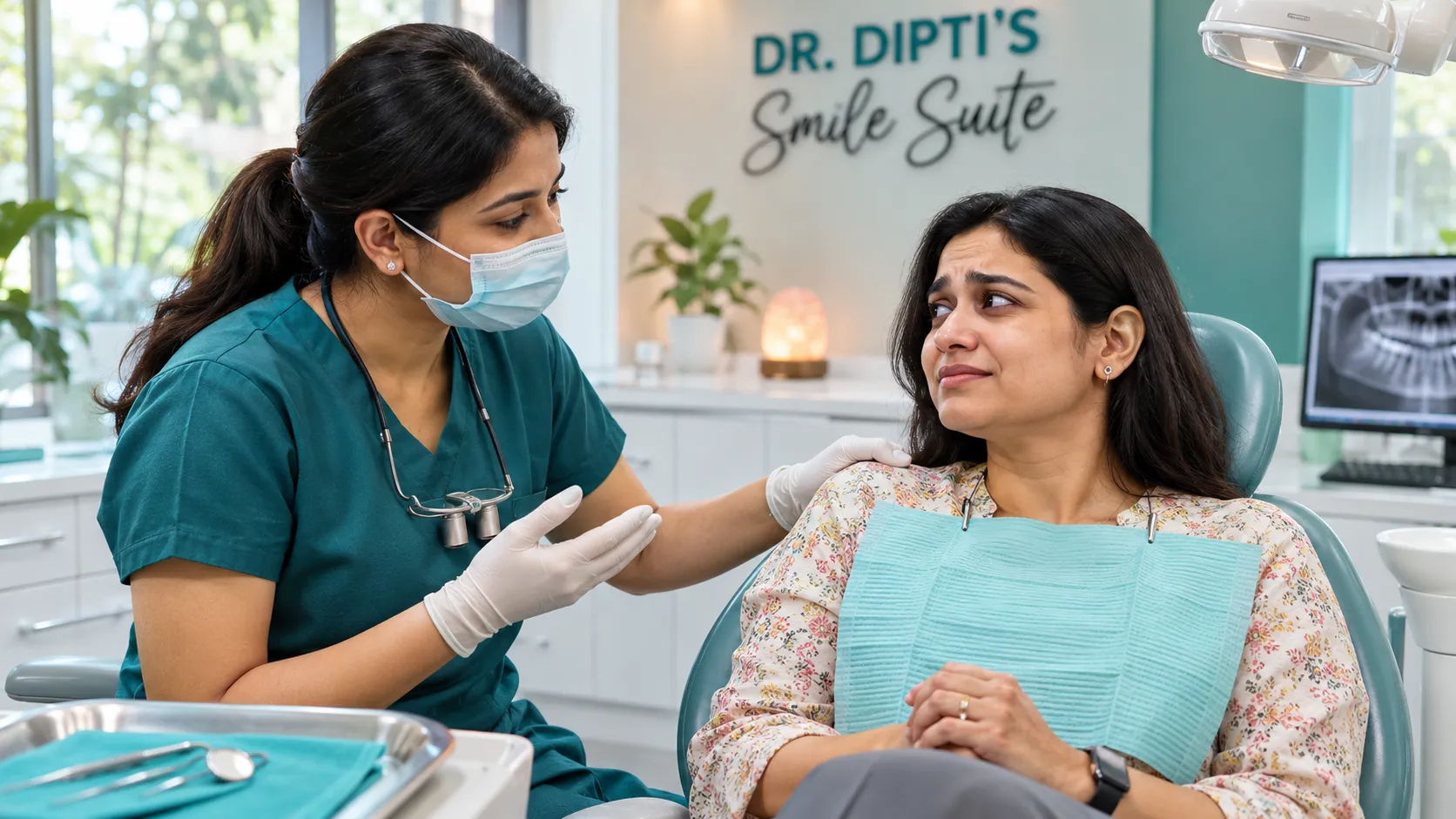
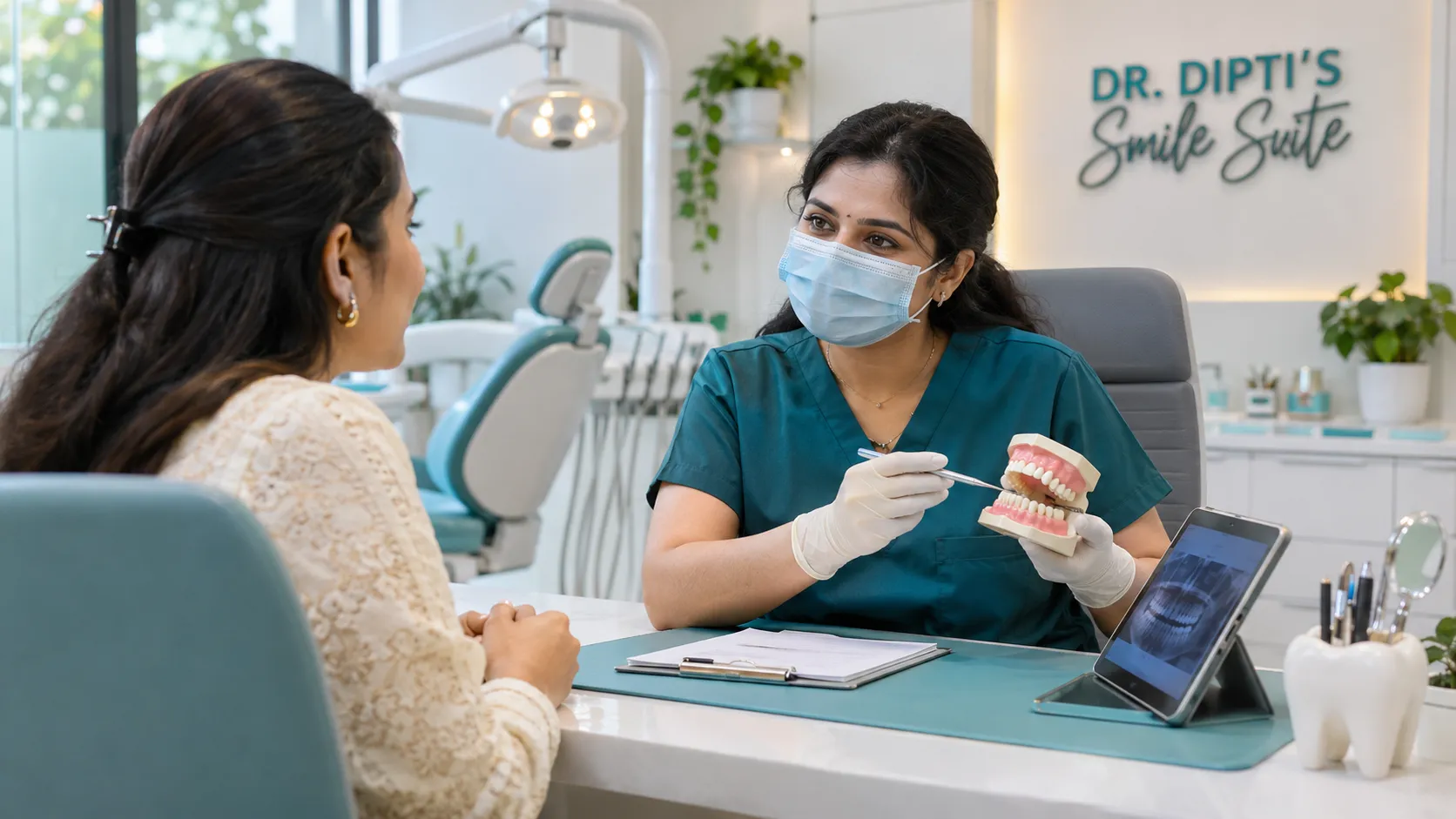
Everything starts with a conversation. The dentist asks what you dislike about your smile, what you would like to change and how you want to look: natural, bright, subtle or dramatic. Your expectations are just as important as the clinical findings.
Step 2: Photos, video and scans
A set of standard facial and dental photographs is taken, often along with a short video of you talking and smiling. Your teeth are recorded with digital impressions or scans. Video matters because people see your smile in motion, not in a frozen photo.
Step 3: Digital analysis and design
Using the photographs and scans, the dentist analyses facial reference lines, tooth proportions, gum levels and the lip line. A new smile is then designed digitally, tooth by tooth, to fit your face.
Step 4: Preview and feedback
You see the proposed design on screen, often placed on your own photo. This is the moment to ask questions and request changes. Many patients find this step reassuring because the result is no longer a mystery.
Step 5: Trial smile (mock-up)
In many cases, the digital design can be turned into a temporary tooth-coloured mock-up placed over your existing teeth. You can look in the mirror, smile, talk and even take photos with family before committing. Adjustments can be made at this stage.
Step 6: Treatment and final result
Once you approve the design, it becomes the blueprint for treatment, whether that involves veneers, crowns, whitening, aligners, gum contouring, implants or a combination. The lab or treatment team follows the same plan, which helps the final result match what you agreed to.
How Technology Improves Your Smile Makeover
The value of Digital Smile Design is not the software itself. It is what better planning does for the outcome and the experience.
- You see the likely result before treatment starts, which reduces anxiety and surprises.
- Design decisions are based on your facial features, so the new smile looks like it belongs to you.
- Communication between you, the dentist and the dental lab improves because everyone works from the same digital plan.
- Treatment can often be more conservative, because the dentist knows exactly how much each tooth needs to change.
- Complex cases involving several treatments can be sequenced more clearly.
- Records of your "before" and planned "after" help track progress and make future adjustments easier.
A more conservative approach to tooth preparation
When the final shape of each tooth is planned in advance, the dentist can often prepare only what is necessary. In some cases, teeth that only need slight lengthening or reshaping may need very little enamel removal, or a combination of whitening, bonding and aligners may achieve the goal without veneers on every tooth.
Treatments That Benefit From Digital Smile Design
Digital planning can support almost any treatment that changes how your smile looks. Here is how it fits with the cosmetic and restorative services most patients ask about.
Dental veneers
Veneers change the shape, colour and length of front teeth, so planning is critical. Digital design helps decide the ideal tooth proportions and lets you preview the look before the veneers are made. Learn more about dental veneers and read our guide to veneer cost and procedure in Faridabad.
Teeth whitening
Shade is part of smile design. Whitening is often done before veneers or crowns so that new restorations can be matched to a brighter natural shade. See our teeth whitening service, the whitening cost guide and why some teeth stay yellow even after brushing twice a day.
Crowns and bridges
When teeth are heavily filled, broken or missing, crowns and bridges restore strength and appearance. Digital planning helps them look natural next to your other teeth. Our guide on dental crown cost by type explains the material options.
Clear aligners and orthodontics
Sometimes the best smile makeover starts with moving teeth rather than covering them. Straightening crowded or spaced teeth with Invisalign clear aligners or orthodontic braces can reduce or remove the need for veneers. Compare options in Invisalign vs traditional braces.
Dental implants
For missing front teeth, implant position directly affects how natural the final tooth looks. Planning the smile first and then placing the dental implant to support that design leads to better aesthetics. Read dental implants in Faridabad: everything you need to know.
Composite bonding and fillings
Small chips, gaps and uneven edges can often be corrected with tooth-coloured composite bonding, guided by the digital plan for shape and proportion.
Who Is a Good Candidate for Digital Smile Design?
Digital Smile Design is useful for anyone planning a visible change to their smile, especially if several teeth or treatments are involved. It is particularly helpful if you:
- Have chipped, worn, uneven or discoloured front teeth.
- Have gaps between teeth or teeth that look too small.
- Show a lot of gum when you smile.
- Have old crowns or fillings that no longer match.
- Are planning a wedding, a career move or another occasion and want predictable results.
- Have stains from conditions such as dental fluorosis that whitening alone cannot fix.
When other problems must be treated first
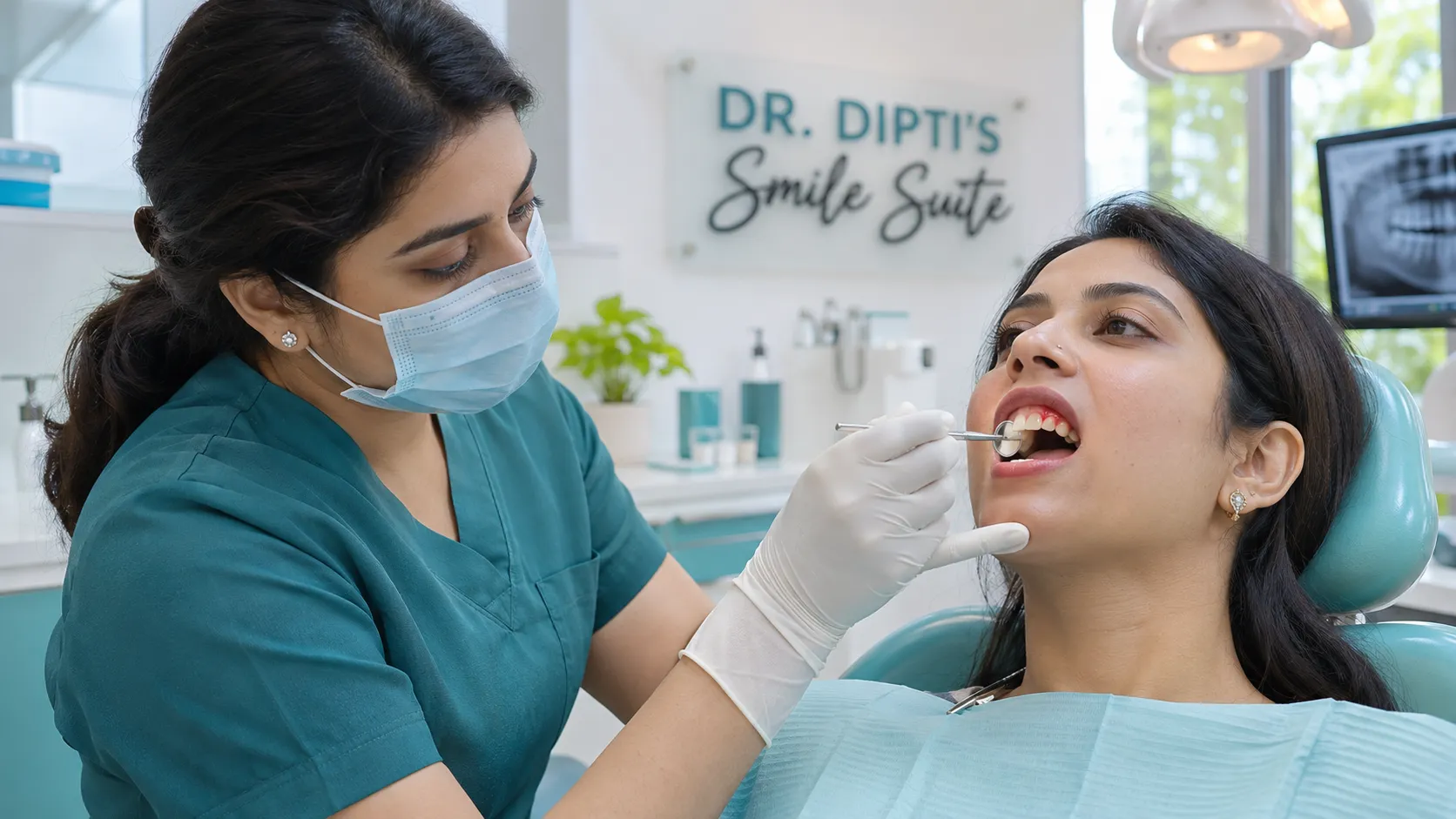
A beautiful design only lasts on a healthy foundation. Active cavities, infected teeth, gum disease or heavy teeth grinding should be addressed before cosmetic work. That may mean a root canal treatment, professional cleaning (see our teeth cleaning cost page) or a night guard. Read about the signs of gum disease and teeth grinding at night if either applies to you.
What Digital Smile Design Can and Cannot Do
Digital planning is a powerful tool, but it is important to keep expectations realistic.
| Digital Smile Design can | Digital Smile Design cannot |
|---|---|
| Show a realistic preview of the planned smile | Guarantee that the final result is pixel-perfect to the screen image |
| Help choose tooth shapes that suit your face | Replace the dentist's clinical skill and judgement |
| Improve communication with the dental lab | Fix underlying gum disease or decay on its own |
| Let you try a mock-up before committing | Change your bite or jaw position without the right treatment |
The final result depends on your biology, the materials used and the skill of the clinical team. A good dentist will explain clearly how close the final smile is likely to be to the preview.
Cost and Time: What to Expect
The cost of a smile makeover depends on what the plan involves. A case that needs whitening and a little bonding is very different from one that needs ten veneers, aligners and an implant. Digital planning itself may be included in the treatment plan or charged as a separate planning fee, depending on the clinic.
Timelines also vary. Whitening and bonding can be completed in a few visits, veneers usually take a few weeks including the trial stage and lab work, and plans involving aligners or implants take several months. Ask for a written plan that lists each stage, the expected number of visits and the cost of each treatment.
Questions to Ask Before Your Smile Makeover
- Will I see a preview of my new smile before treatment begins?
- Can I try a temporary mock-up in my mouth first?
- Which treatments do you recommend, and are there more conservative options?
- How much natural tooth structure will need to be removed?
- Which materials will be used, and how long are they expected to last?
- What is the total cost, and what is included in each stage?
- How should I care for my new smile, and how often will I need check-ups?
For more on choosing the right clinic, read best smile makeover clinic in Faridabad and how a cosmetic dentist in Faridabad transforms your look.
Caring for Your New Smile
A well-planned smile makeover can last for many years, but only with the right care. Veneers, crowns and bonding do not decay, yet the natural teeth and gums around them still can. The habits below protect both your investment and your oral health.
- Brush twice a day with a soft brush and a non-abrasive fluoride toothpaste.
- Clean between your teeth every day, paying extra attention to the edges of veneers and crowns.
- Avoid biting hard objects such as ice, nut shells, pens or bottle caps.
- Wear a night guard if you grind or clench your teeth.
- Limit heavy staining drinks such as tea, coffee and colas, or rinse with water afterwards.
- Keep regular check-ups and professional cleaning every six months.
Why your digital records matter later
One less obvious advantage of digital planning is the record it leaves behind. Your original photos, scans and approved design are stored, so if a veneer chips or a crown needs replacing years later, the team can refer back to the exact shape and shade you chose. That makes repairs faster and helps your smile stay consistent over time.
Small refinements over time
Natural teeth change slowly with age. Gums can recede a little, and teeth can darken or wear. A good cosmetic dentist will review your smile at check-ups and suggest small refinements, such as touch-up whitening or polishing of bonding, long before major work is needed.
Plan Your Smile Makeover at Dr. Dipti's Smile Suite
A smile makeover is a big decision, and you deserve to see and understand your plan before anything changes. At Dr. Dipti's Smile Suite, our cosmetic dentistry consultations start with your goals and a careful assessment of your teeth, gums and face, so every recommendation fits you. Ask us which digital planning and trial steps apply to your case.
Alongside smile design, our clinic offers complete dental care for the whole family, including root canal treatment, dental implants, crowns and bridges, veneers, teeth whitening, Invisalign, orthodontics, oral surgery and pediatric dentistry.
Dr. Dipti's Smile Suite
SCF 142, Sector 14, HUDA Market, Faridabad, Haryana 121007
Call or WhatsApp: +91 88828 50066
Book a Smile Design Consultation