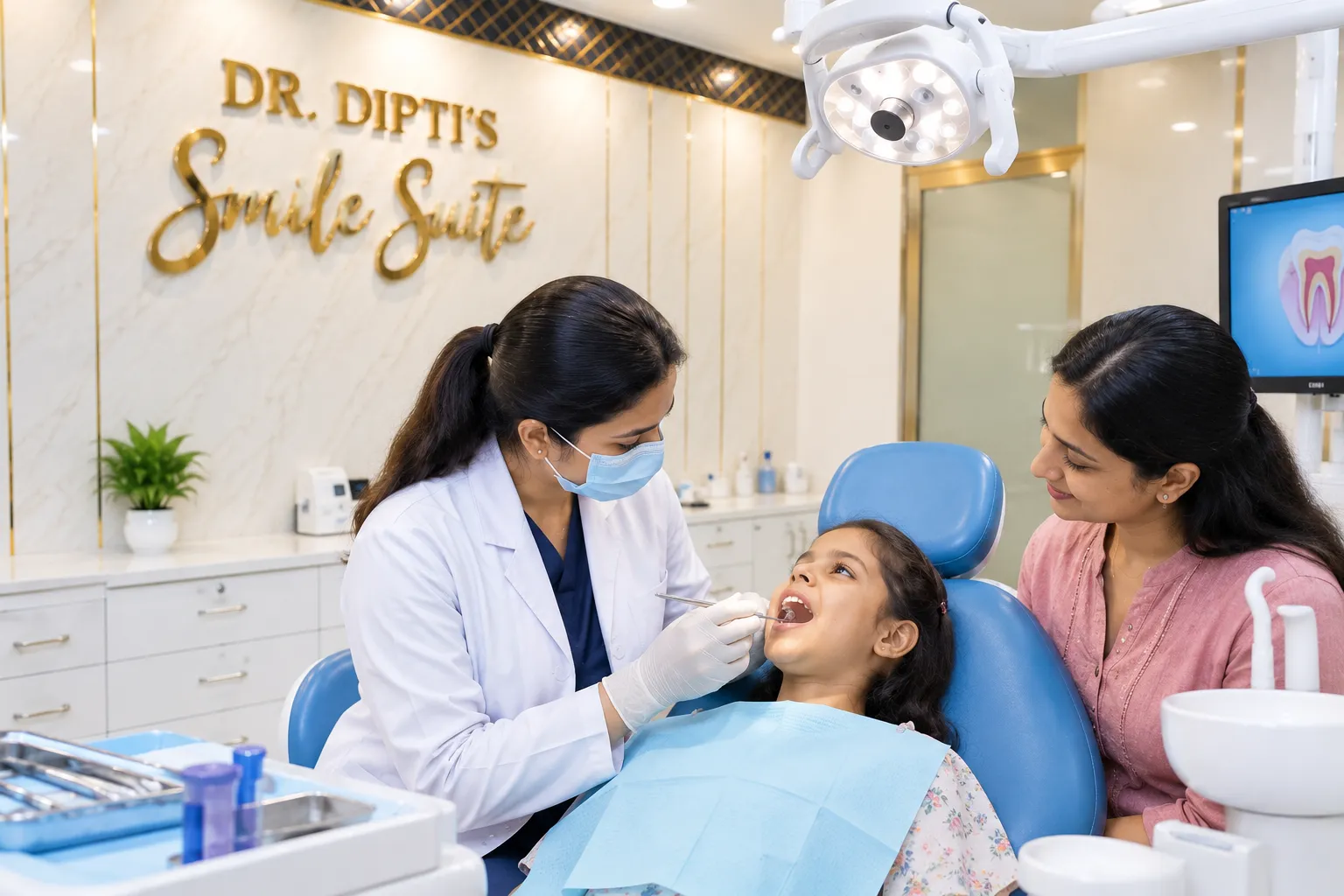
Preventing cavities in children is something that every parent wants to achieve. In this document, we will provide you all the information you need to accomplish this goal and have the added bonus of achieving bright and healthy smiles on your children.
A Guide to What Cavities in Kids Actually Are
We can discuss how to prevent something only after we fully understand what we are trying to prevent. Cavities in kids are characterized by the presence of small holes in the teeth caused by acid produced by bacteria in the mouth eating away at the tooth enamel. Cavities in kids' teeth develop much faster than in adults because kids' tooth enamel is much softer and thinner than that of adults.
This is the process in its entirety. Your kid eats food that is sugary or contains starch. Bacteria in the kid's mouth eat the food particles and release acid. That acid sits on the teeth for up to 20 minutes after eating and breaks down the enamel. If this process is repeated, a cavity is formed.
Cavities in toddler teeth often do not exhibit any clear signs and symptoms, and your kid may not complain about a toothache until the cavity has deteriorated to a much deeper extent. This is the reason why it is better and less stressful for both the parent and the child to prevent cavities rather than treating them.
Practical Advice for Preventing Cavities in Children
Practical tips for preventing cavities in children are hard to come by. Here's some real advice.
You should start your child off with the habit of brushing their teeth twice a day as soon as their first tooth comes in. You can make it a game by singing a song or letting them pick a toothbrush with their favorite character on it. You should use a soft-bristled toothbrush and a grain of rice worth of toothpaste for children under 3 and a pea sized amount for children over 3.
Flossing is very important, especially for hiding spots like in between the back teeth. You should start flossing your child's teeth as soon as they have them. It may be difficult for your child to tolerate, but you can use dental floss picks or a water flosser.
You should limit the number of sugary drinks and snacks that your child consumes. Candy and juices all day are great for your child's teeth. A great way to prevent your child from mouth rot is to replace their juices with water and limit their treats to mealtimes.
You should take your child to the dentist regularly. A pediatric dentist can help with cavities by taking x-rays to look for early signs of decay. Most children should go every 6 months.
You should talk to your child about their teeth and what you do to keep them healthy. You should use simple sentences so they can understand. Children who understand the reasoning behind an action are usually more cooperative.
Now, the don'ts. DON'T let your baby fall asleep with a bottle of milk, formula, or juice. That can cause something called “bottle rot” and is an extremely fast way for babies to develop tooth decay.
DON'T think that all cases of baby tooth decay are caused by caregiver error. Sometimes, no matter how hard you try, cavities can develop. There can be other contributing factors such as genetics and the natural strength of the enamel.
DON'T use adult toothpaste on children. The fluoride levels can be too high and can be harmful to children. Use children’s toothpaste instead.
DON'T think that just because your child’s teeth seem healthy, you can skip their dental checkups. Many cavities form between teeth or under the gums, which leaves them completely undetectable.
When to Take Your Child to the Pediatric Dentist
Even when you try your best to prevent dental problems, sometimes they still happen. Knowing when to seek help is important. Bring your child to a dentist if you notice any of the following.
One potential sign of a cavity is if your child complains about tooth pain, especially when eating hot or cold foods.
If you notice any visible holes, pits, or brown spots on your child’s teeth, then you should bring them in as well.
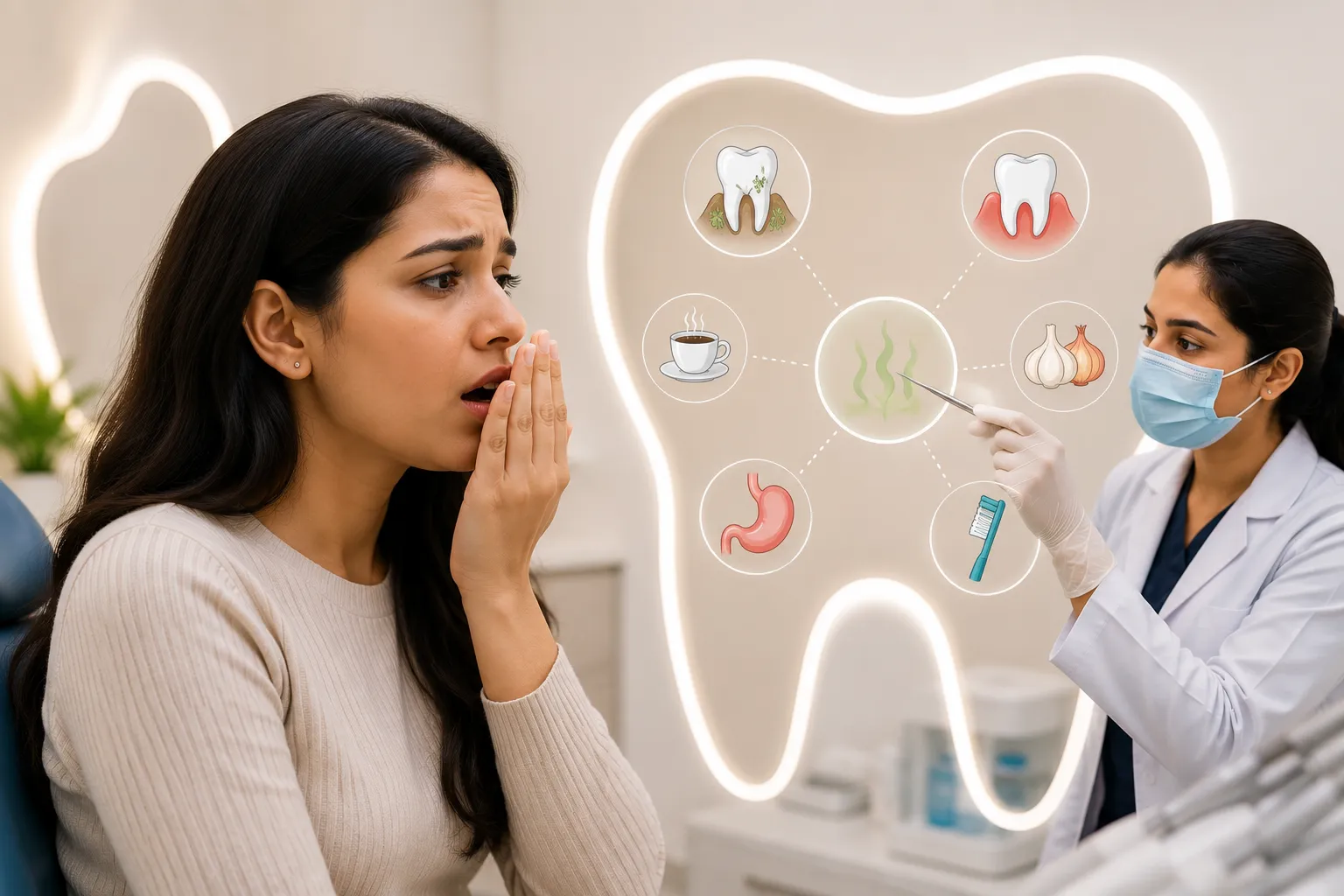
If your child has bad breath that doesn’t go away after they brush, then they probably have bacteria buildup or decay.
If their teeth suddenly change color and become discolored, then they probably have a buildup of bacteria as well.
If your child is chewing only on one side of their mouth, then they probably have a cavity on the other side and are in pain.
If your child has any of the above symptoms, then you should bring them to a kids teeth cavity specialist as soon as you can. At Dr. Dipti Smile Suite, our goal is to make your child’s first visit to the dentist a good experience, and we have a pediatric dentist in Faridabad who can treat and find any dental issues your child may have.
Actually Effective Prevention Strategies
Prevention of dental cavities is simple, but requires diligence. Here are the steps.
Step 1: Learn the Proper Brushing Technique
Brush your child's teeth in small circular motions to clean the front, back and chewing surfaces. For proper brushing time, most parents should use a timer, as the average time children spend brushing is about 30 seconds. Make brushing fun by using a timer or playing a game where your child brushes for the full 2 minutes while you supervise.
Step 2: Start Flossing Early
Start flossing your child around the age of 3 or 4. Traditional floss can be scary for young children, so using floss picks can make the task less intimidating. Flossing should be added to your child's bedtime routine and can be done along with you flossing your own teeth.
Step 3: Limit the Diet
This step is huge in preventing cavities. Limit the number of snacks your child eats. Each time your child snacks, the pH in their mouth acidifies and constant snacking means their teeth are under a constant acid attack. Limit snacking to only designated times and have your child drink water at other times to rinse R turband food. Choose snacks that fight cavities by switching from crackers and dried fruit to candy to nuts and cheese or other crunchy vegetables.
Step 4: Smart Use of Fluoride
Fluoride makes tooth enamel stronger and more acid resistant. Your child's dentist may give fluoride treatments during check-ups if they are at a higher risk of getting cavities.
Step 5: Dental Sealants
Ask your dentist about dental sealants when your child's permanent molars come in at around age 6 and 12. Sealants can reduce the risk of cavities by up to 80% by protecting the chewing surfaces of molars.
Common Myths About Cavities in Kids' Teeth
Here are some myths that may be preventing you from addressing this issue.
Myth 1: Baby teeth are unimportant as they will eventually fall out. Baby teeth have important functions of chewing and speaking and serve as space holders for permanent teeth. Infections from cavities in baby teeth can also lead to issues with the adult teeth.
Myth 2: Children will only get cavities with the consumption of sweets. False. Cavities can be caused by the consumption of any food. Even though some foods may not seem sweet, they can still break down into sugars and cause cavities.
Myth 3: All children will find dental treatment painful. With the use of anesthesia and other methods to dull pain, many dental treatments for children are quick and painless.
Myth 4: If your child gets one cavity, they will get more. It is unlikely that other cavities will form as a result of one cavity, but it may mean that your prevention methods need improvement.
Myth 5: You should wait to take your child to the dentist until they are older. According to the American Academy of Pediatric Dentistry, your child's first dental visit should happen at either one year old or once their first tooth appears.
Parent Questions About Cavities in Children
What is cavities in children treatment?
Treatment for cavities depends on how bad the decay is. If the decay is mild, then the dentist removes the decay and covers the area with a sealing material. When cavities in two year olds are treated, the dentist uses special techniques and materials to treat very young children. The process usually takes less than 30 minutes and is usually painless for the child.
How much will cavities in my child's teeth hurt?
Probably not at all. Dentists are used to treating anxious children. They will use numbing gel and explain what they are doing so the child understands it in a way they will understand it. Many children say that the drill is the most scary part of the process.
Can I stop my children from getting cavities with nothing but brushing?
No, there are many other things that impact cavities. How often you floss, what you eat, how much fluoride you use, and how often you see the dentist all impact how many cavities you get.
Is it normal for children to get cavities at age two?
Yes, it is possible for children to get cavities at that age, but it does not always happen. If your child does get a cavity at age two, then the dentist can treat it and help you with ways to stop it from happening again.
What differentiates a pediatric dentist from my regular dentist?
A pediatric dentist receives additional education after dental school. They learn about child development and behavior, as well as the various dental issues that are unique to children. They are equipped to treat children with cavities.
When to Seek Help: Understanding Signs Your Child Needs a Pediatric Dentist in Faridabad
Not all dental issues are causes for concern, but there are cases that require immediate treatment. If your child is experiencing a dental emergency because of severe tooth pain, swelling, or pus, or if you think your child has an infection, we can provide aid at Dr. Dipti Smile Suite in Faridabad, as our pediatric dentist is able to treat dental emergencies.
If your child is experiencing less severe symptoms such as cavities, discoloration, or bite issues, you can schedule an appointment for a time that is convenient for you. The physicians at our office work to make all dental visits fun for children so that children leave with a positive association towards dentistry and oral care for life.
Your Action Plan: Starting Today
We don't want your child to have to experience the pain of cavities. That's why we have these steps to take even before those pesky cavities show up.
- If it’s been over 6 months since your child last saw a dentist, go ahead and schedule another appointment.
- Look over your child’s diet and try to cut back on how many sugary foods and drinks there are.
- Start a new family rule of brushing your teeth at least twice a day.
- Make sure you’re flossing too!
- Go out and buy some fluoride toothpaste for the kids.
- Don’t forget to set a reminder to make the next dental appointment exactly 6 months from today.
- Use words your child will understand to help them remember the new habits they’ll be learning.
Why Dr. Dipti Smile Suite Is The Best Pediatric Dental Care Partner
Cavities are no small problem, especially when it comes to kids. At our dental clinic in Faridabad, Dr. Dipti Smile Suite, we provide all the knowledge and support needed to tackle this problem.
Dr. Dipti Goyal and her team have over 15 years of experience treating kids of all ages, from toddlers to teenagers. We know every child is unique. Some are very brave and cooperative from the start. Others need many visits to build up the courage to let us work on their teeth. We are completely flexible to what makes your child most comfortable.
We use advanced equipment to find cavities when they are really small and sometimes even before they become visible. This helps us avoid bigger issues. Our Faridabad pediatric dentist is an expert in treating cavities and uses special techniques to make the process less scary for kids.
Preventing cavities is something we focus on outside of the treatments as well. We educate both the kids and their parents on what they can do to prevent cavities. We make sure to keep things simple and answer any questions you may have.
We take extra care to keep your child's smile healthy and beautiful. We have various procedures in place to ensure your kid does not develop cavities, and if they do, we act as quickly as possible to minimize the impact.
We would love to have you come in for a consultation. Our Clinic is located in Sector 14, Faridabad, and we look forward to helping your family maintain a beautiful and healthy smile.