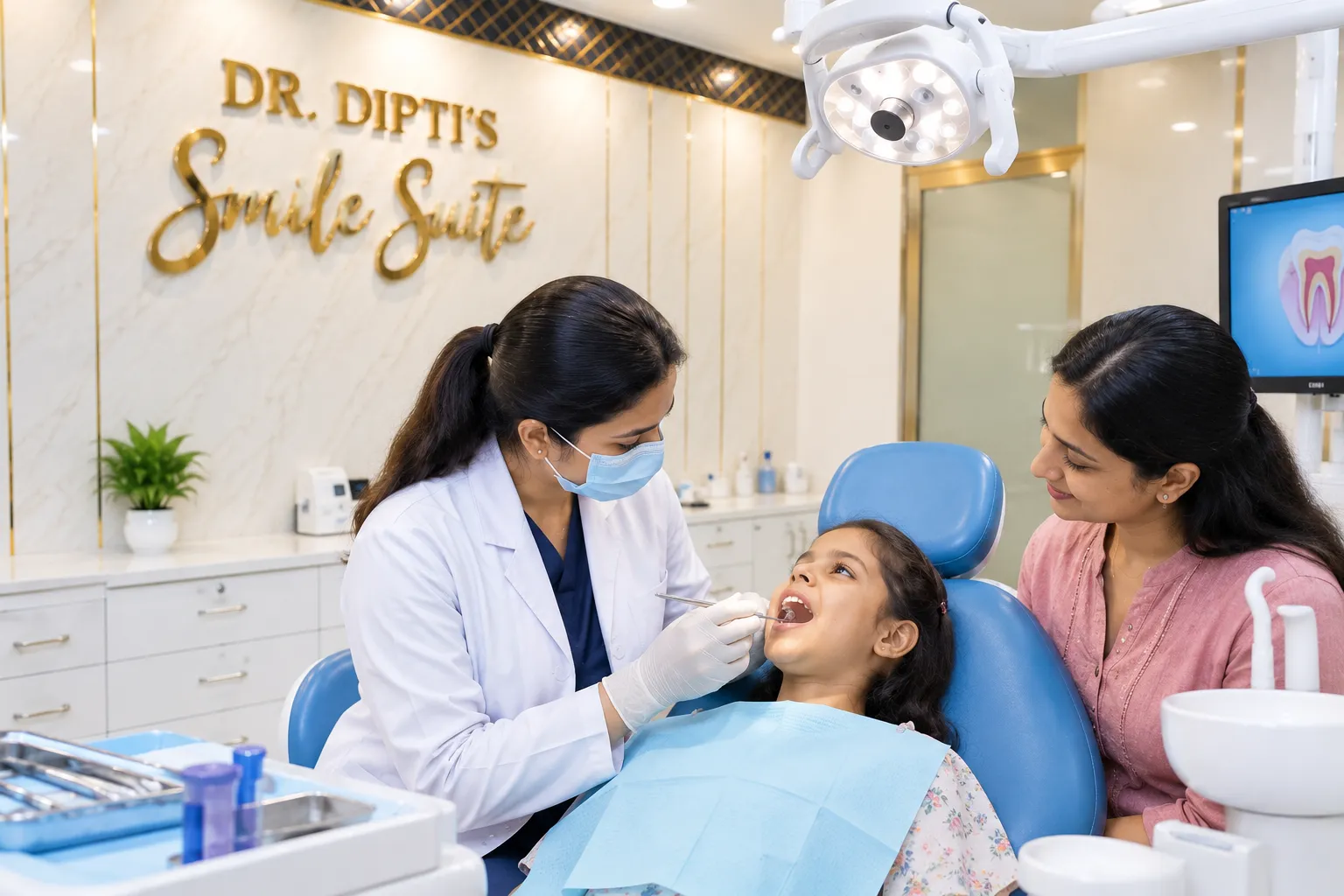
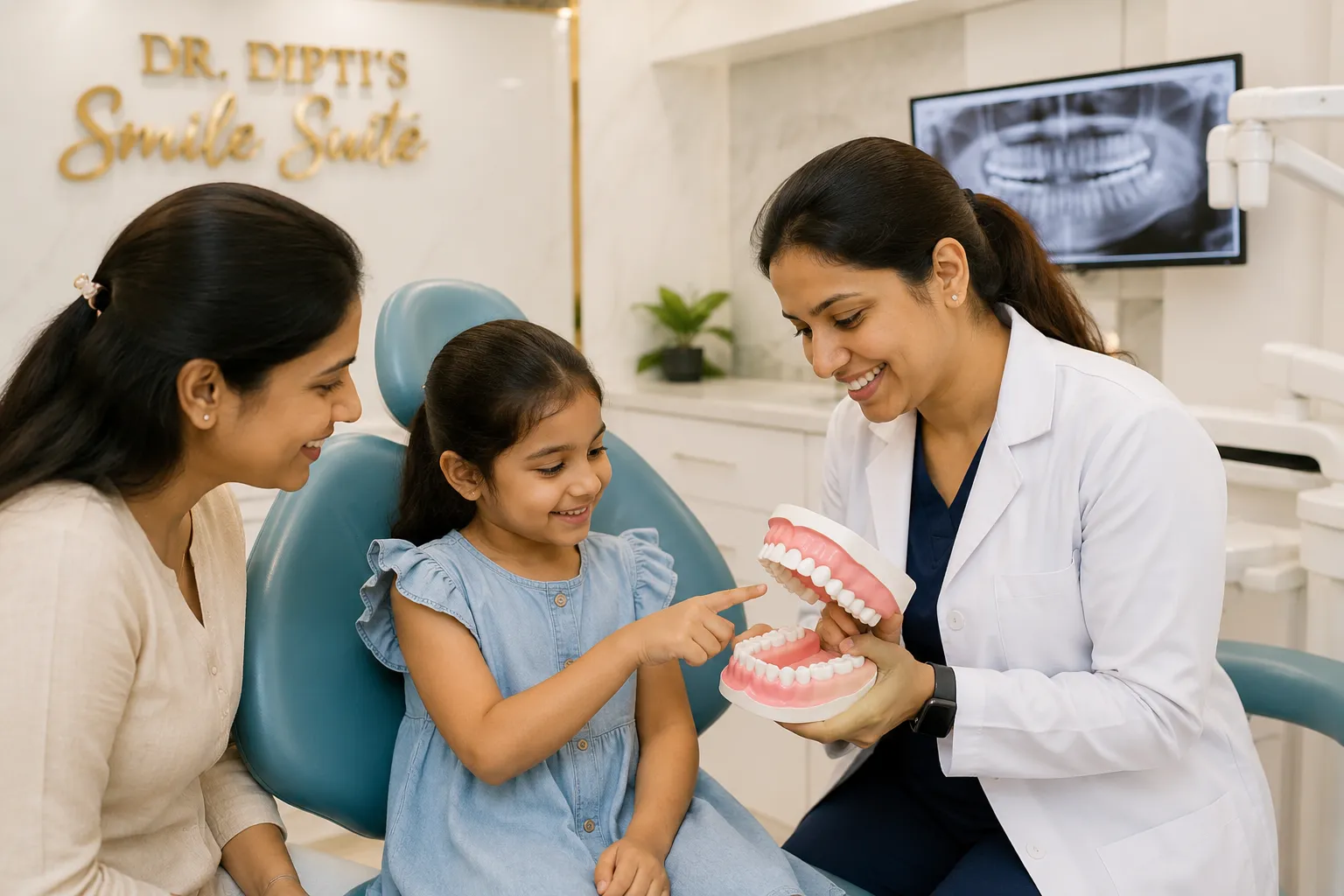
Every parent wants their child to grow up with a healthy, confident smile. But dental problems in children often start quietly. A little sensitivity here, a small white spot there, and before you know it, a simple issue has turned into something that needs urgent treatment. The good news is that most childhood dental problems are easy to manage when caught early.
As a pediatric dental expert often puts it, "children rarely tell you something is wrong with their teeth in words. They show you through their behavior, their eating habits, and sometimes just by avoiding brushing altogether." That is exactly why parents in Faridabad need to know what warning signs to watch for and when it is time to book an appointment with a specialist.
This guide walks you through the most common signs that indicate your child needs professional dental care, backed by expert insight and written with the kind of practical detail that actually helps parents make decisions.
Why Pediatric Dental Care Matters So Early
Many parents assume baby teeth do not matter much since they eventually fall out. This is one of the most common misconceptions in child dental care. Baby teeth play a critical role in speech development, proper chewing, and holding space for permanent teeth to grow in correctly. When baby teeth decay or fall out too early, it can affect how permanent teeth align later.
Dental experts recommend that a child's first dental visit should happen by their first birthday or within six months of their first tooth appearing, whichever comes first. Starting early helps children build comfort around dental visits instead of developing fear later in life.
Common Signs Your Child Needs a Pediatric Dentist
1. Complaints of Tooth Pain or Sensitivity
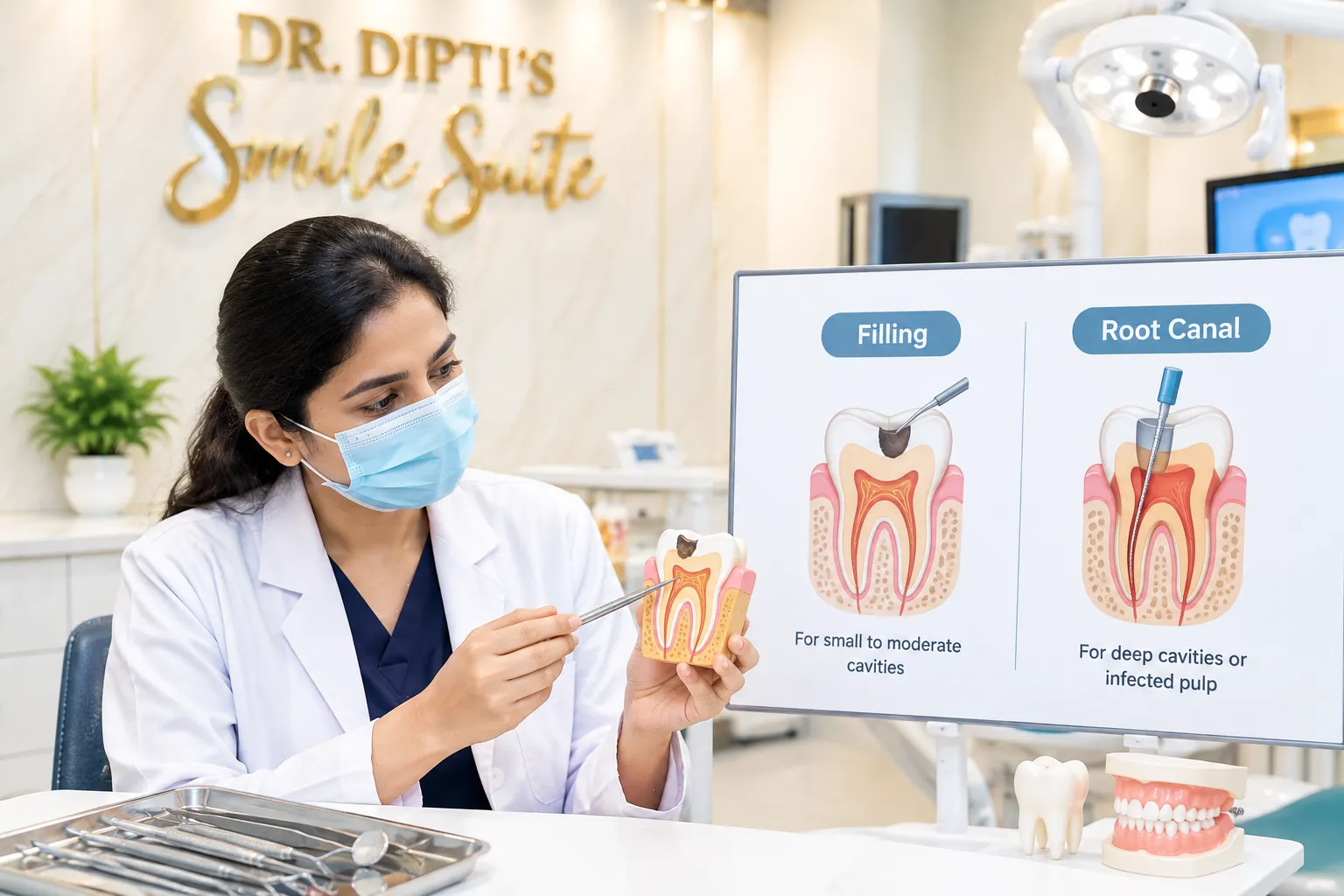
If your child winces, holds their cheek, or complains while eating something cold, hot, or sweet, this is often one of the earliest signs of a cavity or tooth decay. Young children may not always describe pain clearly, so watch for behavioral cues like refusing certain foods or chewing only on one side of the mouth.
2. White Spots or Discoloration on Teeth
White, brown, yellow, or black spots on your child's teeth are rarely just cosmetic. These marks usually indicate the early stages of enamel weakening or decay. Since discoloration can spread quickly if left untreated, an early dental check can prevent the need for more invasive treatment later.
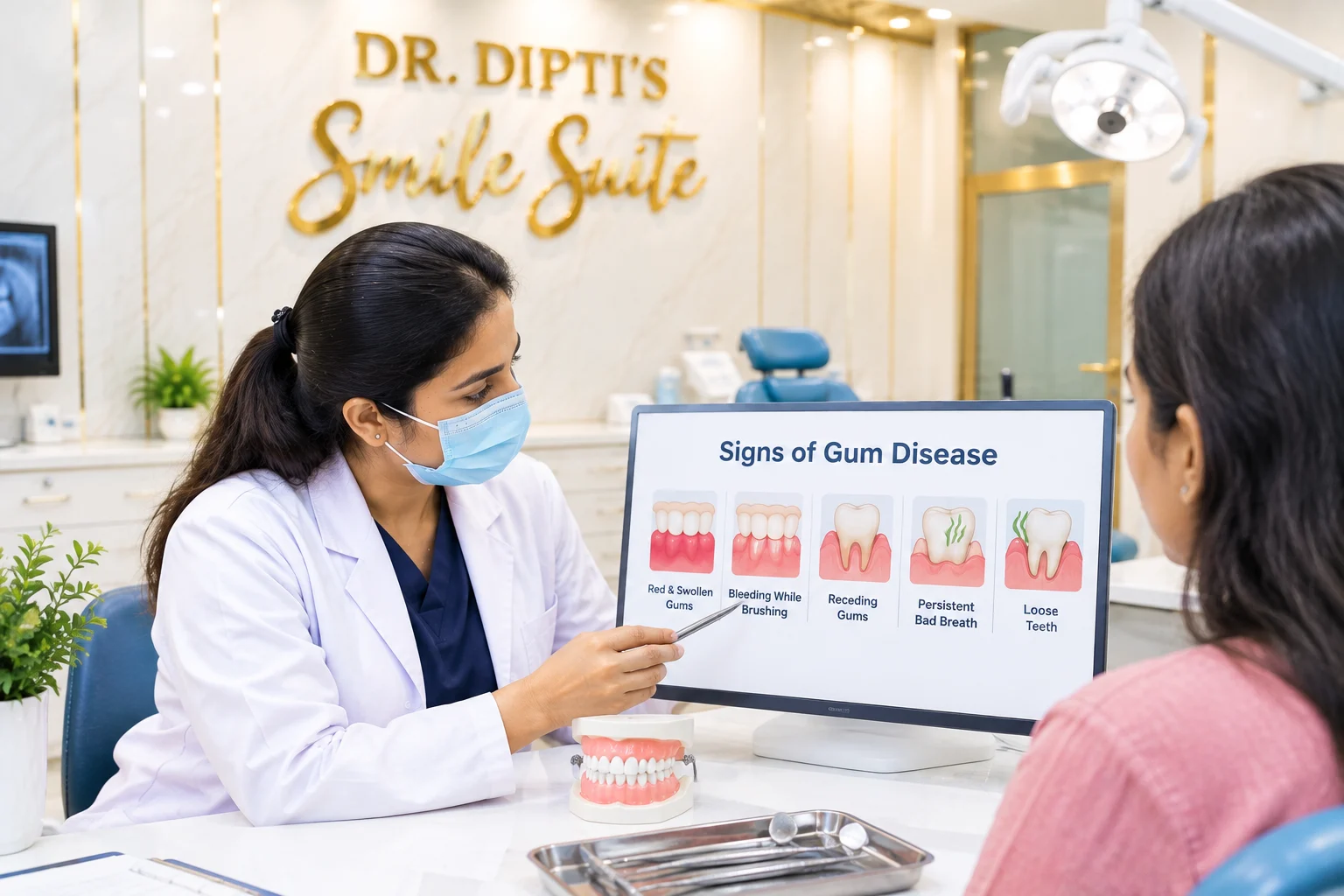
3. Bleeding or Swollen Gums
Healthy gums should not bleed during brushing. If you notice blood on the toothbrush, puffiness, or redness around the gum line, it could point to early gum disease or an infection. This is a sign parents often dismiss, assuming it is just from brushing too hard, but it deserves professional attention.
4. Persistent Bad Breath
Occasional morning breath is normal in children, just like adults. However, if bad breath continues throughout the day even after brushing, it may signal bacteria buildup, gum problems, or trapped food between teeth that regular brushing is not removing.
5. Teeth Grinding or Clenching
Some children grind their teeth at night, a habit known as bruxism. While occasional grinding is common during teething phases, frequent or loud grinding can wear down tooth enamel and may need a dentist's evaluation.
6. Mouth Breathing or Snoring
If your child regularly breathes through their mouth or snores while sleeping, this is worth mentioning at their next dental visit. Mouth breathing can affect jaw development and tooth alignment over time, and a pediatric dentist can help identify the underlying cause.
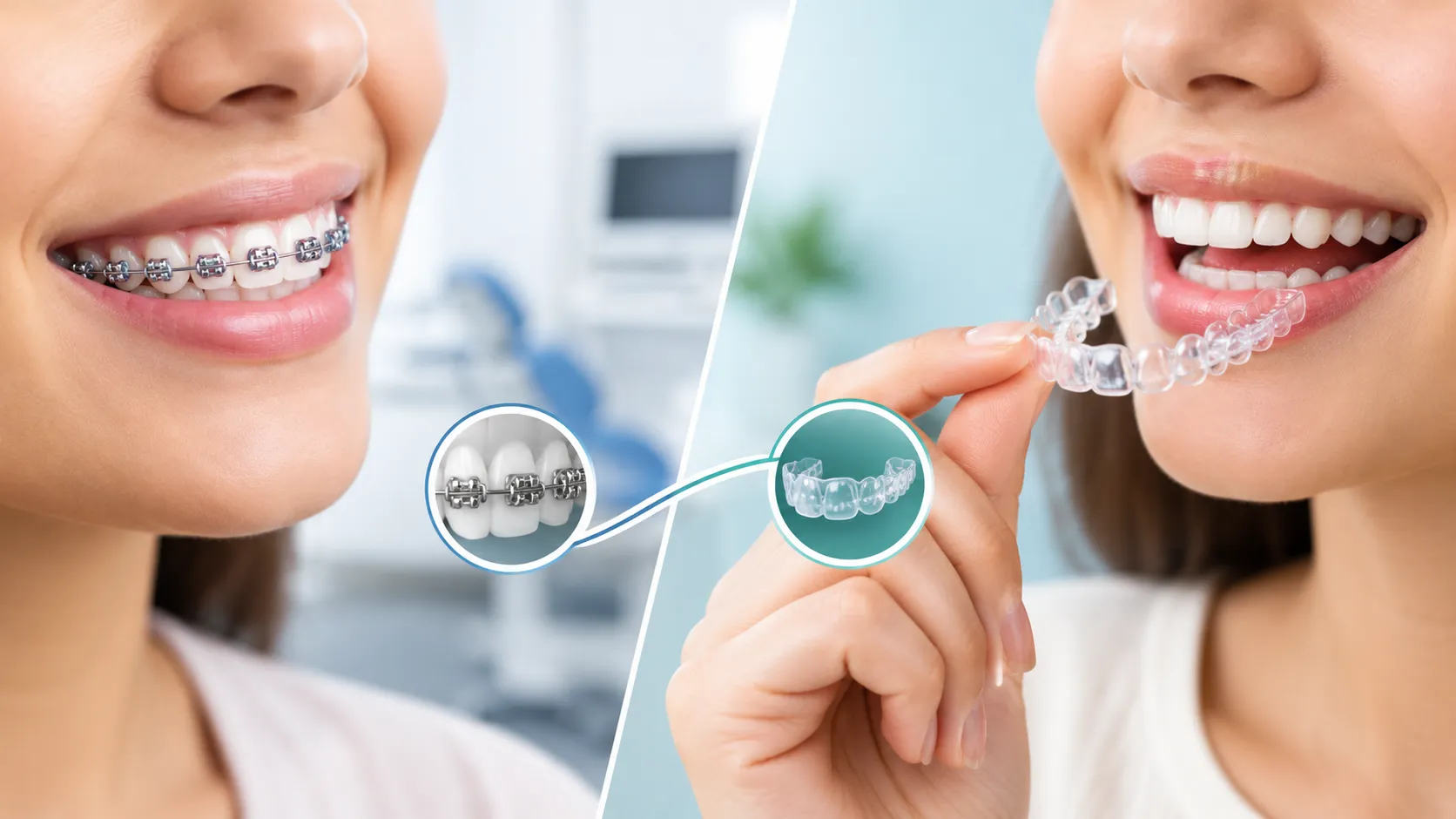
7. Teeth Coming In Crooked or Bite Misalignment
If your child's permanent teeth appear crooked, overlapping, or their bite looks uneven, early evaluation allows a dentist to monitor development and plan intervention if needed, often making future orthodontic treatment simpler.
8. Thumb Sucking Beyond Age Four
Thumb sucking is completely normal in toddlers, but if the habit continues well past age four, it can begin to affect how the teeth and jaw align. A pediatric dentist can suggest gentle strategies to help a child break the habit before it leads to bite problems.
9. Loose Teeth Outside the Normal Age Range
Losing teeth significantly earlier than age five or still holding onto baby teeth well past age seven or eight can sometimes point to an underlying issue. It is worth having a dentist check whether this is simply a natural variation or something that needs attention.
10. Visible Plaque, Tartar, or Food Avoidance
A yellowish film on the teeth near the gum line, or your child consistently avoiding chewing on one side, are both signs that something may be uncomfortable or building up beneath the surface.
What a Pediatric Dental Expert Says
According to pediatric dental practitioners, the biggest mistake parents make is waiting for their child to complain of pain before scheduling a visit. By the time pain shows up, decay has often already reached a deeper layer of the tooth. Regular checkups every six months allow a dentist to catch these problems while they are still small, painless, and inexpensive to treat.
From a content and parenting research standpoint as well, the pattern across expert pediatric dentistry sources is consistent: subtle signs like food avoidance, mild sensitivity, and small discoloration are almost always easier and cheaper to treat than the same issue left unattended for months. Prevention genuinely is the better investment, both for your child's comfort and for your wallet.
When to Book a Visit in Faridabad
If you have noticed even one or two of the signs mentioned above, it is a good idea not to wait for the next scheduled checkup. Children's dental issues tend to progress faster than adult ones because their enamel is thinner. Booking an evaluation with a trusted pediatric dental clinic ensures your child gets an accurate diagnosis and a treatment plan suited to their age and comfort level.
Parents in Faridabad looking for a gentle, experienced, and child friendly dental practice can explore the best pediatric dentistry in Faridabad for checkups, cavity treatment, and preventive care designed specifically around children's needs. A dedicated pediatric setup makes a real difference in how comfortable your child feels during and after treatment.
Conclusion
Children's dental health sets the foundation for their overall wellbeing, confidence, and even school performance, since untreated dental pain can affect concentration and eating habits. Watching for the signs above, and not waiting until your child is in visible pain, is the simplest way to protect their smile for years to come.
If any of these signs sound familiar, it is worth scheduling a visit sooner rather than later. Early evaluation almost always means a simpler, gentler, and more affordable path forward.