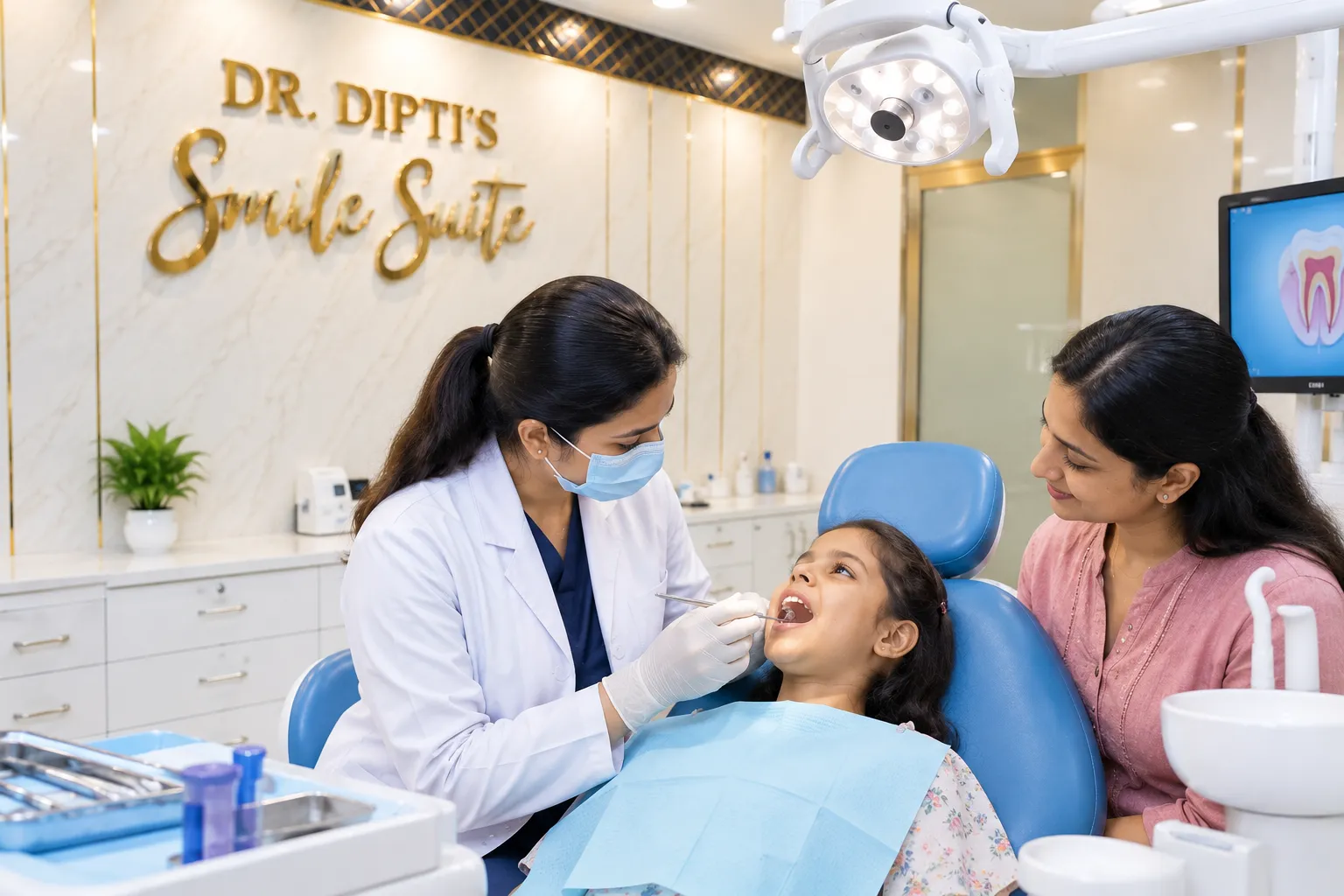

Dental fear is real. It affects a large number of adults in India. Some avoid the dentist for years. Others live with pain rather than make an appointment. This blog is for anyone who needs oral surgery but feels held back by fear.
The good news is that modern dentistry has changed completely. Painless techniques, sedation options, and compassionate care have made oral surgery a calm experience. You can get the Best Oral Surgery in Faridabad without the fear you are imagining.
Let me walk you through everything you need to know.
Understanding Your Fear
Why Dental Fear Is So Common
Dental fear is not weakness. It is a natural response. Your mouth has thousands of nerve endings. It is a sensitive and personal area. Your brain is wired to protect it.
Many fears come from a bad experience in childhood. Others come from stories heard from family or friends. Some fears have no clear origin at all.
Common fears include
-
Fear of pain during the procedure
-
Fear of needles and injections
-
Fear of the numbing not working
-
Fear of the sounds of drills and equipment
-
Fear of feeling trapped in the dental chair
-
Fear of losing control
-
Fear of complications or something going wrong
-
Fear of the recovery period
Every single one of these fears has a solution. Modern dentistry has developed specific techniques to address each concern.
What Fear Costs You
Delaying necessary oral surgery has real consequences.
-
Pain continues and often worsens
-
Sleep is disrupted
-
Diet becomes restricted
-
The original problem becomes more complex
-
Additional teeth may be affected
-
Treatment becomes more expensive
-
Bone loss may occur requiring grafting
-
Infections can spread to surrounding areas
The sooner you address the problem, the simpler the solution. The Best Oral Surgery in Faridabad starts with timely intervention.
What Is Oral Surgery
Common Procedures Explained
Oral surgery includes several procedures performed inside the mouth. Most are minor and done in a dental chair.
Wisdom Tooth Extraction
Removal of third molars that are impacted, partially erupted, or causing problems. Procedure time is 10 to 30 minutes.
Dental Implant Placement
Insertion of a titanium post into the jawbone to replace a missing tooth. This is a permanent solution that looks and functions like a natural tooth.
Apicoectomy
Removal of the tip of a tooth root when a root canal has failed to heal. This procedure saves the natural tooth.
Bone Grafting
Addition of bone material to areas where the jawbone has thinned. This creates a strong foundation for dental implants.
Sinus Lift
Elevation of the sinus floor to create space for implants in the upper back jaw. This is a common and predictable procedure.
Biopsy
Removal of a small tissue sample to check for abnormalities. This is quick and minimally uncomfortable.
Tooth Exposure
Surgical exposure of an impacted tooth so braces can bring it into position.
Where These Procedures Happen
Most oral surgery is performed right in the dental clinic. No hospital admission is needed. No operating room. No overnight stay.
You walk in, receive local anesthesia, undergo the procedure, and walk out. Total time is usually one to two hours. Only very complex cases or patients with significant medical conditions need hospital settings.
Signs You May Need Oral Surgery
Symptoms to Watch For
Persistent pain in the back of your jaw that lasts more than two weeks
Difficulty opening your mouth fully
A tooth that is partially erupted and traps food
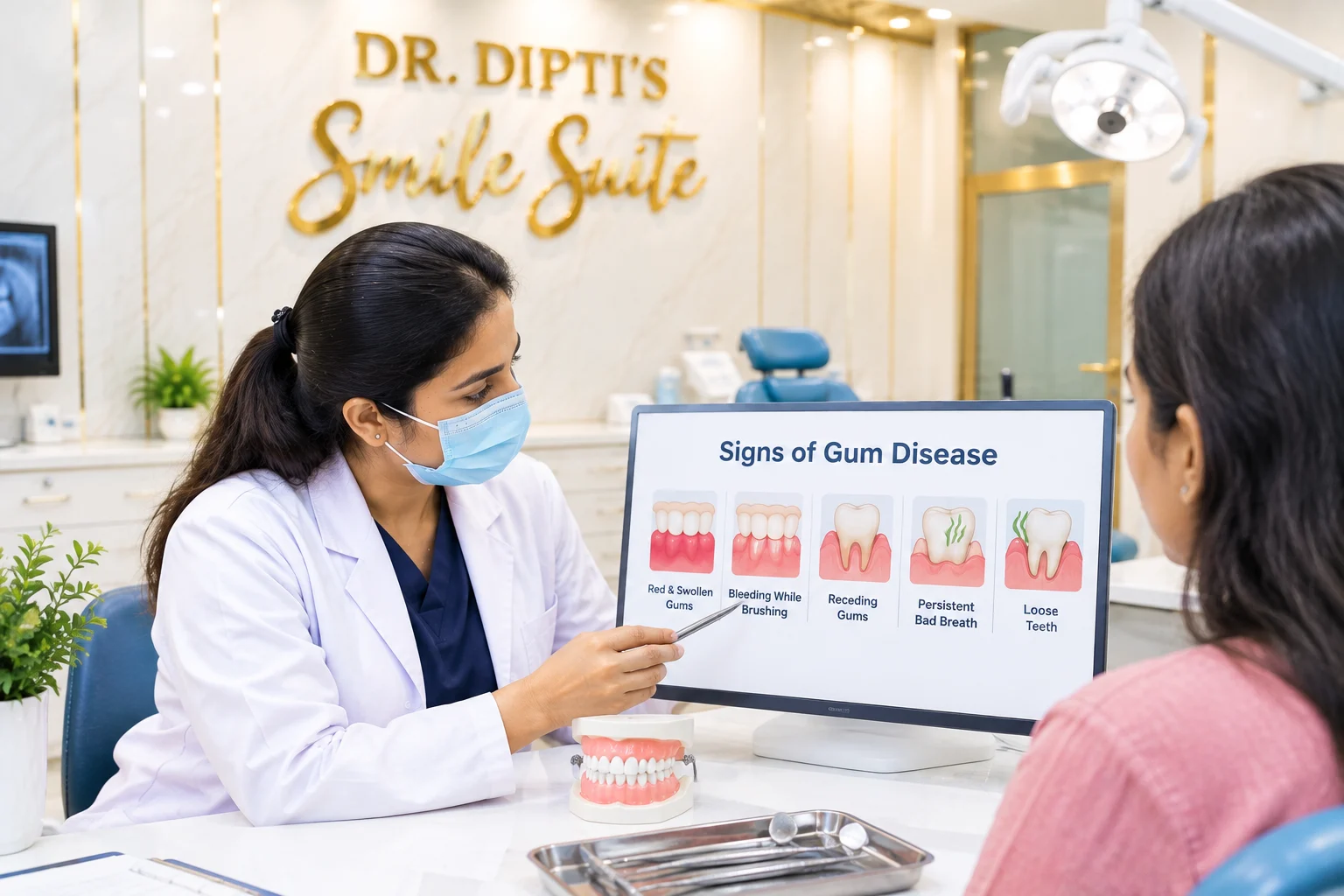
Swelling or redness around a specific tooth
A tooth that feels loose without any injury
Chronic bad breath that does not improve with brushing
Sinus pressure on one side that does not respond to medication
A visible bump or cyst on your gum
Pain when biting down on a specific tooth
A cracked or broken tooth
Recurrent infection in the same area
Gum boils or pimples on the gum surface
If you have any of these symptoms, a consultation with a dentist is recommended. Delaying only allows the problem to progress.
The Progression of Neglected Problems
Small problems become big problems when left untreated.
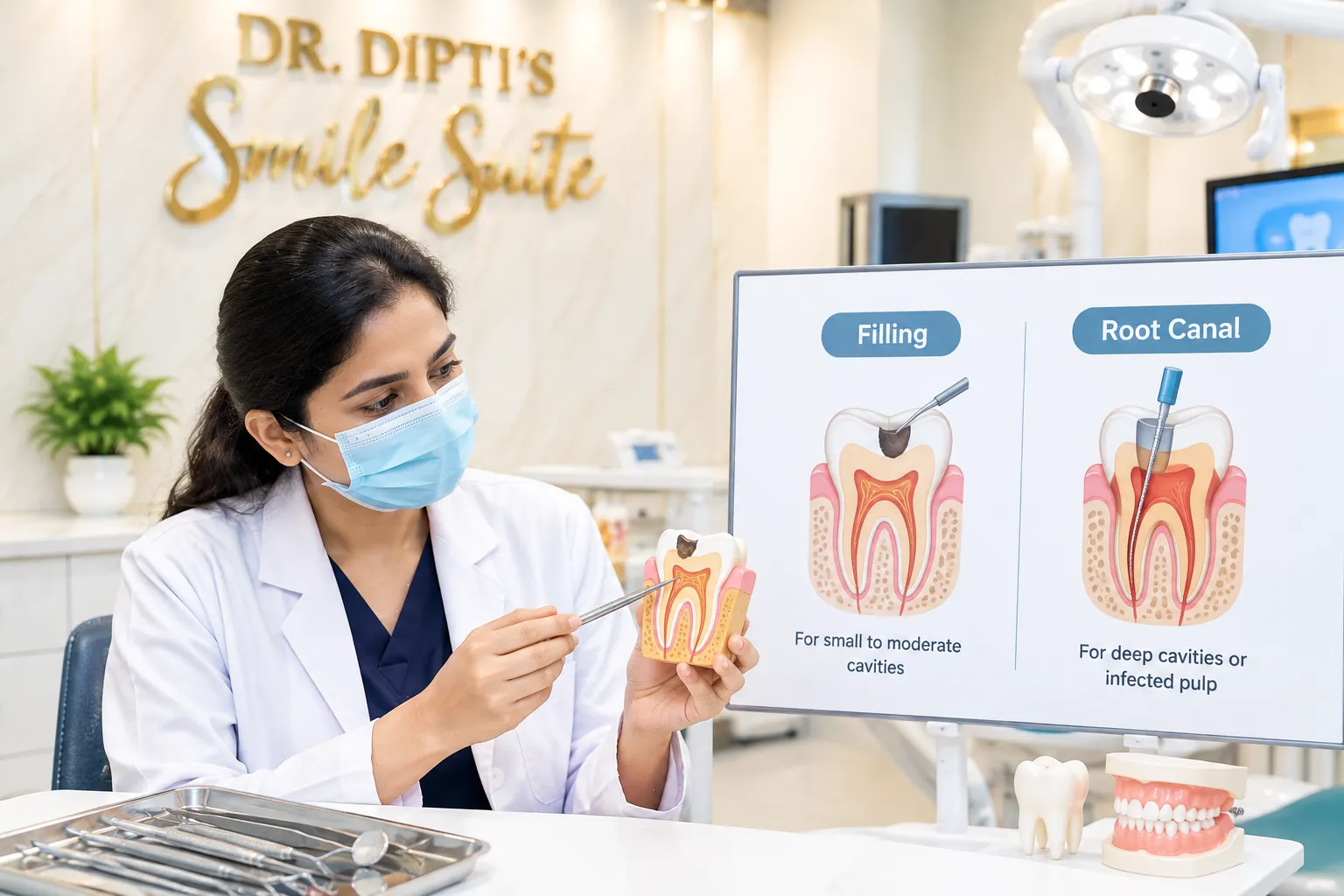
A small cavity becomes a deep cavity reaching the nerve. A simple filling becomes a root canal.
A partially impacted wisdom tooth damages the adjacent molar. One procedure becomes two procedures.
Mild gum infection destroys bone over time. Simple cleaning becomes bone grafting.
Early treatment is always simpler, faster, and less expensive.
Solutions for Every Fear
Fear of Pain During the Procedure
Modern local anesthetics are highly effective. They completely block pain signals from the surgical site.
What you should know
-
The numbing process takes only a few minutes
-
You feel pressure and vibration but not pain
-
If you feel any discomfort, you can raise your hand
-
The dentist stops immediately and adds more anesthesia
-
This backup system ensures you are never in pain
Fear of Needles
This is one of the most common dental fears. The solution is simple and effective.
The dentist applies a topical anesthetic gel to your gum first. You wait for one minute. The gel numbs the surface completely. You do not feel the needle at all. Many patients say the injection is the least memorable part of the visit.
Fear of the Numbing Wearing Off Too Soon
Long acting local anesthetics last for several hours. This is more than enough time for any routine oral surgery procedure.
If a procedure takes longer than expected, the dentist simply administers additional anesthesia. You will not feel the second injection because the area is already numb.
Fear of Sounds
Drills, suction, and instruments create sounds that trigger anxiety for many people.
Solutions include
-
Noise cancelling headphones with your choice of music
-
Earplugs provided by the clinic
-
Televisions on the ceiling for visual distraction
-
Relaxing background music in the treatment room
Fear of Feeling Trapped
You are always in control during any procedure at a quality clinic.
Before starting, you agree on a stop signal. Raising your left hand is common. The moment you raise your hand, the dentist stops everything. You can sit up, take a break, ask questions, or end the procedure. You are never trapped.
Fear of Losing Control
Some patients worry they will cry, panic, or react badly. This fear is addressed through sedation options.
Conscious sedation keeps you deeply relaxed. You remain awake enough to respond to commands. But you are calm. Many patients remember nothing about the procedure afterward.
Fear of Complications
Modern technology has made oral surgery extremely predictable.
CBCT scanning creates a three dimensional map of your mouth. The dentist sees your nerves, sinuses, and bone density before making any incision. This eliminates almost all surgical surprises.
Fear of Recovery Pain
Recovery from modern oral surgery is much milder than most patients expect.
What to expect
-
Day of surgery: mild discomfort as anesthesia wears off
-
Day one: soreness rated 2 out of 10 by most patients
-
Day two: decreasing soreness
-
Day three: most patients stop pain medication
-
Day four: feeling almost normal
Over the counter pain medication is usually sufficient. Prescription pain killers are available if needed.
Pain Management Explained
During the Procedure
You feel no pain. The local anesthetic blocks all pain signals. You may feel pressure or vibration. You will not feel cutting, drilling, or stitching.
Immediately After
The numbing effect continues for one to three hours after the procedure. You feel nothing during this time. You can go home and rest comfortably.
When Numbing Wears Off
As the anesthesia fades, you may feel a dull ache. Most patients rate this as 2 or 3 out of 10. This is not sharp pain. It is a soreness similar to muscle fatigue after exercise.
The Next Day
Soreness peaks on day one. It is still mild for most people. Over the counter medication like ibuprofen or paracetamol controls it effectively.
Day Two and Beyond
Soreness decreases each day. By day three, most patients no longer need any pain medication.
Pain Level Comparison
To give you perspective
-
Toothache from infection: 6 out of 10
-
Stubbing your toe: 5 out of 10
-
Oral surgery during procedure: 0 out of 10
-
Oral surgery day after: 2 out of 10
-
Migraine headache: 7 out of 10
The fear of pain is much worse than the reality of pain.
Sedation Options for Anxious Patients
What Is Sedation Dentistry
Sedation involves medication that helps you relax during dental procedures. It is safe, effective, and commonly used for patients with dental fear.
Minimal Sedation
You take a small pill about one hour before your appointment. You remain awake but feel calm and relaxed. This is suitable for mild to moderate anxiety.
Moderate Sedation or Conscious Sedation
You receive medication through an IV or as a stronger pill. You remain awake enough to respond to commands. But you are deeply relaxed. Many patients remember little to nothing about the procedure. This is excellent for moderate to high anxiety.
Deep Sedation
You are on the edge of consciousness but can still be awakened. This is rarely needed for routine oral surgery. It is reserved for very complex cases or patients with severe phobia.
General Anesthesia
You are completely unconscious. This is typically done in a hospital setting for major jaw surgeries. Most oral surgery does not require this level.
Who Is a Candidate for Sedation
Sedation is safe for most healthy adults. The dentist reviews your medical history before recommending any sedation option. Certain medical conditions may require coordination with your physician.
The Complete Treatment Journey
Step by Step from Consultation to Recovery
Step 1: Initial Phone Call
You call the clinic. The receptionist answers your basic questions. No pressure. No commitment.
Step 2: Consultation Appointment
You meet the dentist in a consultation area, not a treatment room. You discuss your fears, your symptoms, and your goals. The dentist listens without judgment.
Step 3: Examination
The dentist examines your mouth gently. Every touch is explained beforehand. No surprises.
Step 4: Digital Imaging
If needed, a CBCT scan is taken. You stand or sit comfortably. The scan takes two minutes. No biting on uncomfortable films.
Step 5: Diagnosis and Treatment Plan
The dentist shows you the images. You see the problem clearly. The dentist explains the recommended procedure, alternatives, and risks. You ask all your questions.
Step 6: Sedation Decision
If you choose sedation, you receive instructions for the day of the procedure. You arrange for someone to drive you home.
Step 7: Day of Procedure
You arrive. Sedation is administered if chosen. Topical gel numbs the gum. Local anesthesia is injected. You feel little to nothing. The procedure is performed. You rest briefly. You go home.
Step 8: Recovery at Home
You follow the written instructions. You rest. You apply ice packs. You eat soft foods. You take medication as directed.
Step 9: Follow Up
The clinic calls you the next day. A follow up appointment is scheduled for one week later.
Day by Day Recovery Guide
Day Zero The Day of Surgery
What to expect
Mild discomfort as anesthesia wears off. Some oozing from the surgical site is normal. Swelling begins but is minimal.
What to do
Rest. Apply ice packs for 15 minutes at a time. Eat cold soft foods. Keep head elevated. Take first pain medication before anesthesia wears off.
Day One
What to expect
Soreness is most noticeable. Swelling may increase slightly. Most patients rate soreness 2 out of 10.
What to do
Continue ice packs. Eat soft foods like yogurt, dal, khichdi, smoothies. Rest. Avoid talking excessively. Take medication as directed.
Day Two
What to expect
Soreness decreases. Swelling peaks then begins to reduce. You feel significantly better.
What to do
Switch to warm compresses if there is stiffness. Eat slightly thicker soft foods. You can work from home or watch movies.
Day Three
What to expect
Most patients stop pain medication. Swelling is noticeably down. You feel close to normal.
What to do
Return to work if not physically demanding. Continue soft foods. Avoid hard or crunchy items.
Day Four to Seven
What to expect
Minimal to no soreness. You may forget you had surgery.
What to do
Attend follow up appointment. Gradually return to normal diet. Avoid chewing directly on the surgical site for a few more days.
Day Fourteen
What to expect
Complete healing of gum tissue. You cannot tell where surgery happened.
What to do
Resume all normal activities including exercise and all foods.
Do's and Don'ts for Recovery
Do's
Rest for the remainder of the day after surgery
Apply ice packs to your cheek for 15 minutes at a time with 15 minute breaks
Keep your head elevated on two pillows while sleeping for the first two nights
Eat cold soft foods like yogurt, pudding, smoothies, and ice cream for the first 24 hours
Drink plenty of cold water to stay hydrated
Take prescribed medications exactly as directed
Gently rinse with warm salt water after 24 hours by tilting your head, not swishing
Call the clinic if you have any concerns or questions
Change gauze as instructed to control minor bleeding
Use a soft toothbrush for teeth not near the surgical site
Don'ts
Do not spit forcefully for the first week
Do not use a straw for the first week
Do not smoke or use any tobacco products for at least two weeks
Do not drink alcohol for the first 72 hours
Do not eat hard, crunchy, or spicy foods for the first week
Do not touch the surgical site with your tongue or finger
Do not brush the surgical area directly for the first few days
Do not blow your nose forcefully if surgery was on upper teeth
Do not exercise or lift heavy objects for the first three days
Do not drink hot beverages like tea or coffee for 24 hours
Do not drive if you received sedation
Myths That Cause Unnecessary Fear
Let me clear up common misconceptions.
Myth 1: Oral surgery is extremely painful.
Fact: The procedure is painless due to anesthesia. Post operative discomfort is mild for most patients.
Myth 2: Recovery takes weeks.
Fact: Most people return to normal activities within one to three days.
Myth 3: You cannot eat normally for a long time.
Fact: Soft foods for a few days. By day four or five, most patients return to their regular diet.
Myth 4: Wisdom tooth removal always causes severe swelling.
Fact: Modern techniques minimize trauma. Many patients have minimal swelling that resolves within 48 hours.
Myth 5: You need general anesthesia for oral surgery.
Fact: Most procedures use local anesthesia alone or conscious sedation.
Myth 6: Oral surgery is only for older people.
Fact: Wisdom tooth removal is common in young adults. Implants are placed from the 20s to 80s.
Myth 7: You will have visible scars on your face.
Fact: All incisions are inside your mouth. No visible scars.
Myth 8: The numbing injection is the worst part.
Fact: Topical gel numbs the gum first. Most patients barely feel the injection.
Myth 9: You cannot have surgery if you have medical conditions.
Fact: Many conditions are manageable with proper precautions. The dentist coordinates with your physician.
Myth 10: Dental implants are experimental.
Fact: Implants have over 50 years of research and success rates above 95 percent.
Why Choose Dr. Dipti Smile Suite
Experience You Can Trust
Dr. Dipti Smile Suite has transformed over 10,000 smiles. The team has more than 15 years of expertise in oral surgery and implant dentistry. This volume of experience creates skill and confidence.
Advanced Technology for Safety and Comfort
The clinic uses CBCT scanning for every surgical case. This three dimensional imaging eliminates guesswork. Every implant and extraction is planned on a computer before touching your mouth.
Digital smile design lets you see your expected result before any procedure begins. You approve the outcome before treatment starts.
Strict Sterilization Protocols
Safety is non negotiable. The clinic follows hospital grade sterilization standards. Every instrument is autoclaved. Disposable items are used once. You see the cleanliness when you walk in.
Patient Centered Approach
You are never rushed. You are never pressured. The dentist explains every option including doing nothing. You decide what is right for you.
Compassionate Fear Management
The team is trained specifically to handle anxious patients. Stop signals are used. Sedation is offered. Explanations are given before every action. Your comfort is the priority.
Convenient Location
SCF 142, Sector 14, Huda Market, Faridabad. Easily accessible from all parts of Faridabad and Delhi NCR.
Your Next Step
You now have all the information. You know what to expect. You know the fears have solutions. You know the recovery is manageable.
The only thing left is to take the first step. A consultation costs you nothing but time. It commits you to nothing. It simply gives you clarity.
Call Dr. Dipti Smile Suite at 8882850066. Walk into SCF 142, Sector 14, Huda Market, Faridabad. Have a conversation. Ask your questions. See the technology. Meet the team.
The Best Oral Surgery in Faridabad is available without fear. Modern dentistry has made it possible. You deserve a healthy, pain free mouth. You deserve to smile without hiding.
Book your consultation today at Dr. Dipti Smile Suite. Your comfortable, fear free oral surgery experience is waiting.