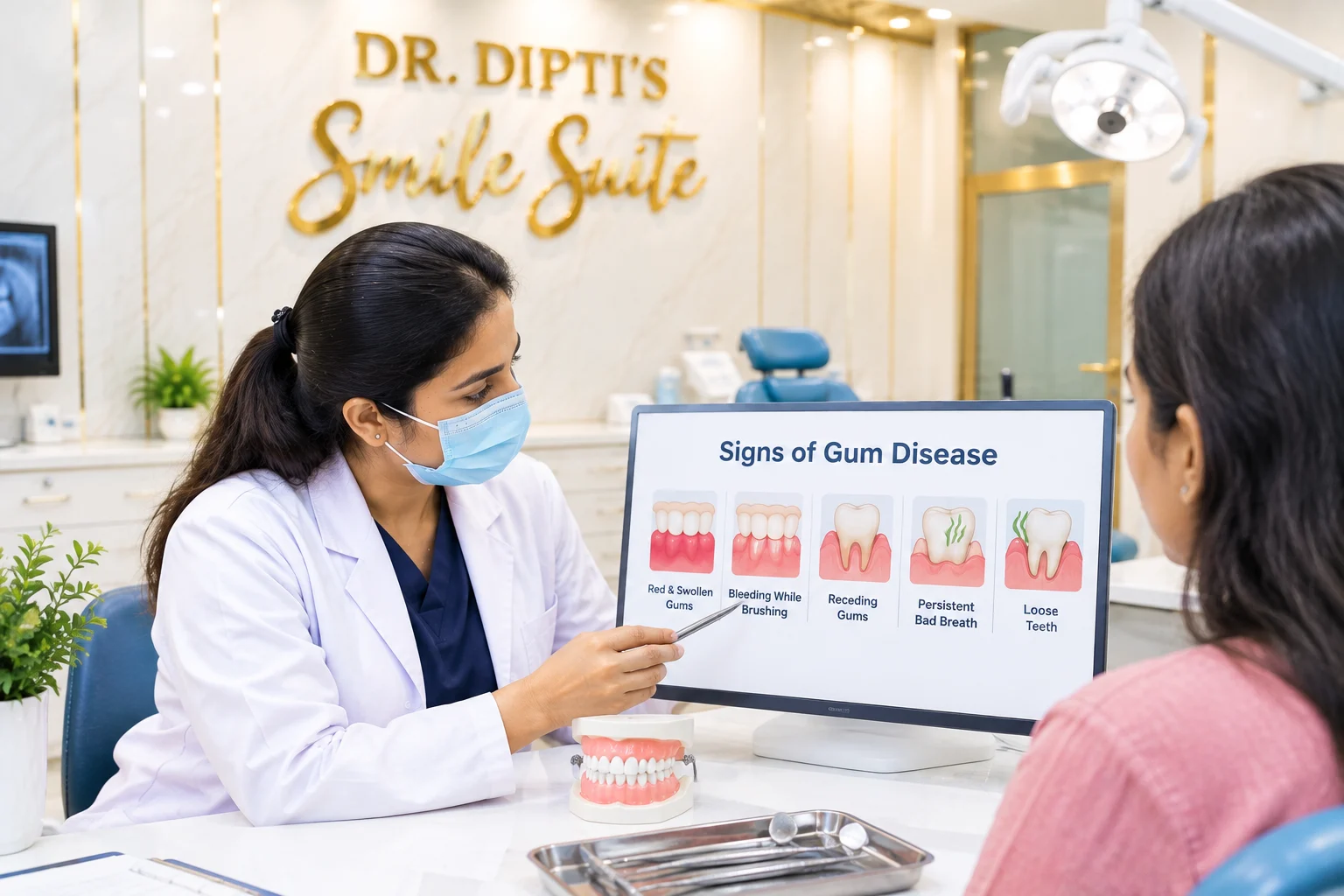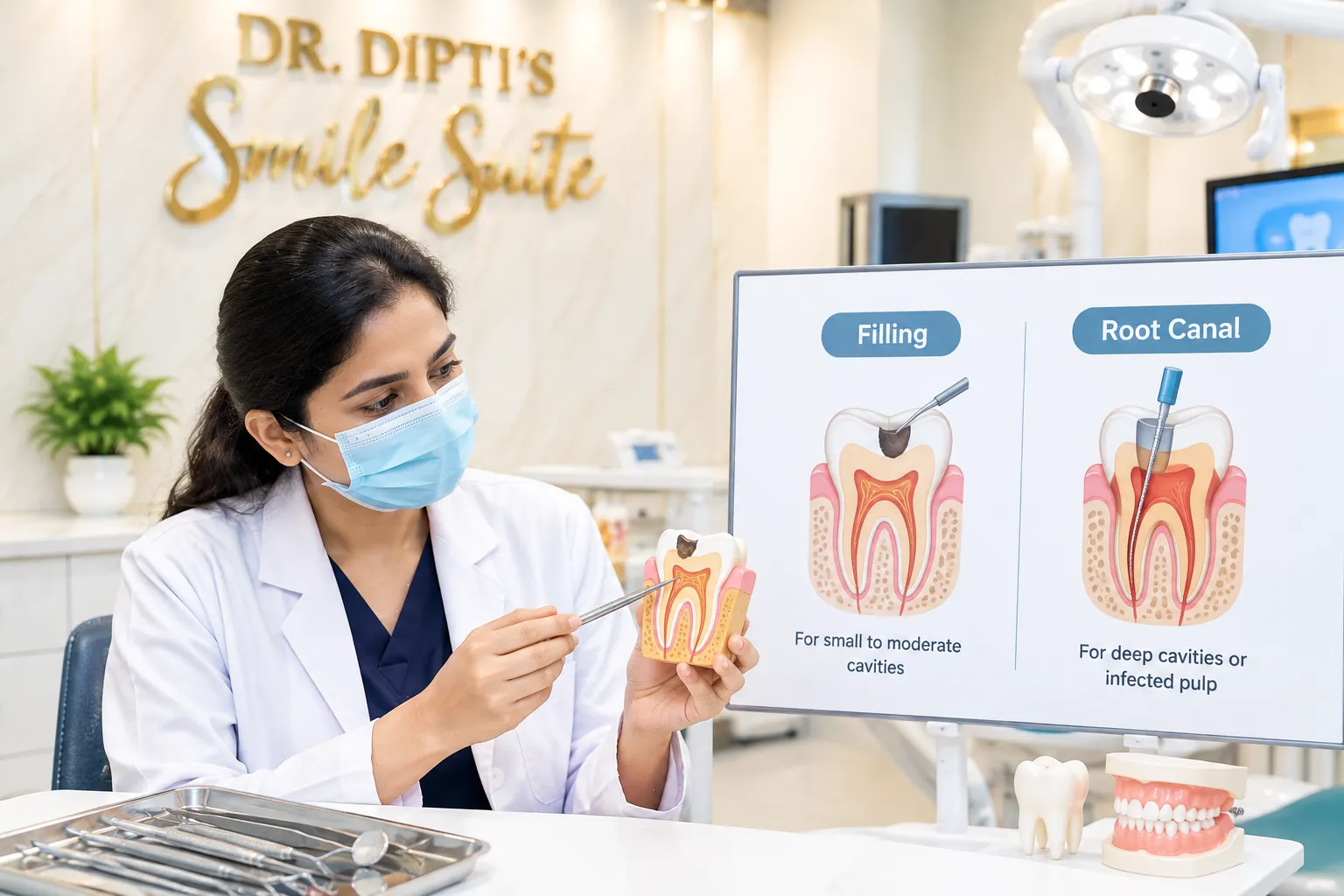

Stories like Meera's are extremely common. Root canal treatment has a reputation that no longer matches how it is actually performed today. This guide is here to replace that old fear with clear, honest information, so you know exactly what to expect if a dental specialist ever recommends this treatment for you.
Do's and Don'ts When You Suspect a Tooth Infection
Before we get into the treatment itself, here is how to handle the early stage properly.
Do pay attention to lingering sensitivity. If hot or cold food causes discomfort that stays for more than a few seconds, treat it as a signal worth checking, not something to ignore.
Do see a dentist as soon as swelling appears. Even mild puffiness near a tooth can indicate infection building up beneath the surface.
Do continue gentle brushing and flossing around the sensitive area rather than avoiding it completely, since poor hygiene can worsen the situation.
Don't rely on painkillers as a long term solution. Medication can mask the pain temporarily, but it does not treat the underlying infection, which continues to spread.
Don't wait for the pain to become unbearable before booking an appointment. Early treatment is almost always simpler, faster, and more comfortable than treatment delayed by weeks or months.
Don't assume the tooth needs to be removed. In most cases, a dental specialist can save the natural tooth through root canal treatment rather than extraction.
What Happens If You Delay Root Canal Treatment: Benefits of Acting Early Versus Risks of Waiting
Many patients delay treatment simply out of fear or a busy schedule. Understanding both sides helps make the decision easier.
The benefits of getting treated early include a simpler procedure, since the infection has not spread significantly, faster recovery, and a much higher chance of saving the natural tooth without complications.
The risks of waiting are more serious than most people realise. The infection can spread to the surrounding bone, leading to an abscess. In some cases, waiting too long means the tooth becomes too damaged to save, leaving extraction as the only remaining option. Delayed infections can also affect neighbouring teeth over time.
Acting early is almost always the easier, less expensive, and less painful path, even though it feels counterintuitive when the pain is not yet severe.
Myth Versus Fact: Clearing Up Root Canal Confusion
Myth: Root canal treatment causes more pain than it relieves.
Fact: The infection itself is what causes the intense pain. Root canal treatment, performed under proper anaesthesia, actually removes the source of that pain rather than adding to it.
Myth: A tooth treated with a root canal will eventually need to be removed anyway.
Fact: With proper treatment and a protective crown where needed, a root canal treated tooth can last for many years, often decades, functioning just like a natural tooth.
Myth: Root canal treatment always requires multiple painful sittings.
Fact: Many cases are completed in one or two visits, and modern technique focuses on minimising discomfort throughout, not extending it unnecessarily.
Myth: Only older adults need root canal treatment.
Fact: Tooth infections can affect people of any age, including children in certain cases, depending on how decay or injury has progressed.
Choosing Between a General Dentist and a Root Canal Specialist
This is a question many patients do not think to ask, but it matters.
A general dentist can perform routine root canal treatment for straightforward cases, particularly on front teeth with simpler canal structures.
A dental specialist with focused experience in root canal treatment is better suited for complex cases, such as molars with multiple canals, previously treated teeth needing retreatment, or infections that have spread significantly.
If your case feels complicated, or if you have already had one treatment attempt that did not fully resolve the issue, seeking a specialist experienced specifically in root canal procedures gives you a better chance of a lasting result.
Before and After: How Patients Typically Describe the Experience
Before treatment, most patients describe throbbing pain, difficulty chewing on one side, disrupted sleep, and a general sense of dread built up from stories they have heard rather than personal experience.
After treatment, the most common reaction is relief. Patients frequently mention being surprised at how manageable the procedure actually felt, and how quickly the persistent pain that brought them in finally disappeared.
This shift, from dread to relief, is something dental specialists see constantly, and it is part of why addressing the fear itself is just as important as addressing the infection.
A Closer Look at the Treatment Process
Understanding each stage in simple terms makes the entire experience far less intimidating.
The dentist begins with a thorough examination, usually supported by a digital X-ray to see the internal structure of the tooth clearly. Once the infected area is confirmed, local anaesthesia is applied so the area is fully numb before any work begins.
The infected pulp tissue is then carefully removed from inside the tooth, and the canal is cleaned and shaped to eliminate bacteria completely. After cleaning, the space is filled with a biocompatible material and sealed to prevent future infection. Depending on the tooth's condition, a crown may be recommended afterward to restore its strength for daily use.
Each of these steps is designed with patient comfort in mind, and a good specialist will keep you informed throughout rather than leaving you unsure of what is happening.
What Shapes Your Individual Treatment Journey
No two root canal cases are identical. A few factors typically determine how your specific treatment unfolds.
- The tooth involved, since molars have more canals than front teeth
- How far the infection has progressed before treatment begins
- Whether the tooth has been treated before and needs retreatment
- Whether a protective crown is recommended afterward
- Your own healing response, which varies naturally between patients
A transparent dental specialist will walk you through these factors clearly during your consultation, so your treatment plan feels personalised rather than generic.
A Checklist for Choosing the Right Root Canal Specialist in Faridabad
- Look for a dentist with specific, regular experience in root canal procedures
- Confirm the clinic uses digital X-rays for accurate diagnosis
- Ask about pain management and what to expect during the procedure
- Check that the clinic explains recovery time honestly, without exaggeration
- Read patient reviews that specifically mention root canal experiences
- Ensure the clinic follows visible hygiene and sterilisation standards
Ticking off this list before your appointment helps you walk in with confidence rather than uncertainty.
Why Dr Dipti Smile Suite Is a Preferred Dental Specialist for Root Canal Treatment in Faridabad
Root canal treatment requires precision and genuine specialisation, and Dr Dipti Smile Suite has built its reputation around exactly that.
Advanced qualifications. Dr Dipti Goyal holds an MDS in Prosthodontics and Implantology from PGIMS Rohtak, with research experience at the University of Louisville and further certification from France, bringing strong technical depth to complex dental procedures.
Extensive hands on experience. With over 15 years of practice and thousands of patients treated, the clinic has handled root canal cases across a wide range of complexity levels.
Modern diagnostic tools. Digital X-rays and precise instruments allow for accurate diagnosis and gentler treatment, reducing unnecessary discomfort.
Clear communication throughout. Every step, from diagnosis to recovery expectations, is explained in simple language before treatment begins, removing the guesswork that fuels most dental anxiety.
A calm, patient-friendly clinic environment. Many patients specifically mention feeling more at ease than they expected, which makes a real difference for anyone nervous about the procedure.
If persistent tooth pain has been affecting your daily routine, do not let outdated fears keep you from getting help. Book your consultation today and visit the Faridabad clinic to get a clear diagnosis and honest treatment plan.
Aftercare Tips to Support Healing
Simple steps after treatment go a long way in supporting recovery.
- Avoid chewing on the treated tooth until numbness fully wears off
- Choose soft foods for the first day or two
- Keep brushing and flossing gently around the area as usual
- Avoid hard or sticky foods on that tooth until any recommended crown is placed
- Attend your follow up visit to confirm the tooth is healing as expected
Protecting Your Smile and Confidence Long Term
Beyond the physical relief, treating a tooth infection promptly protects something equally important, your confidence. Persistent tooth pain affects how comfortable you feel eating, speaking, and even smiling around others.
Choosing a dental specialist you trust turns a stressful situation into a manageable one. Meera, from the beginning of this guide, later described her biggest regret as simply waiting too long before seeking help, not the treatment itself.
Final Thoughts
Root canal treatment is one of the most misunderstood procedures in dentistry, largely because of outdated stories rather than how the treatment actually feels today. Recognising early symptoms and choosing an experienced dental specialist can turn a source of dread into a straightforward path back to comfort.
Dr Dipti Smile Suite brings the specialised training, modern technology, and patient-first approach needed to make root canal treatment genuinely manageable. Visit the Faridabad clinic and book your consultation today to protect your natural tooth and your long term oral health.