That gap is where most dental problems begin. Daily oral hygiene is not about doing more. It is about doing a few things properly, every day, until they become automatic. Plaque starts forming on your teeth within hours of cleaning, and what you do in the next few minutes each morning and night decides whether it stays soft and removable or hardens into tartar.
This guide walks through a complete routine for adults, from brushing technique and the tools worth buying to the habits that quietly undo your effort. It also covers what changes if you wear braces, have implants, or live with diabetes, and when your routine needs a dentist’s help.
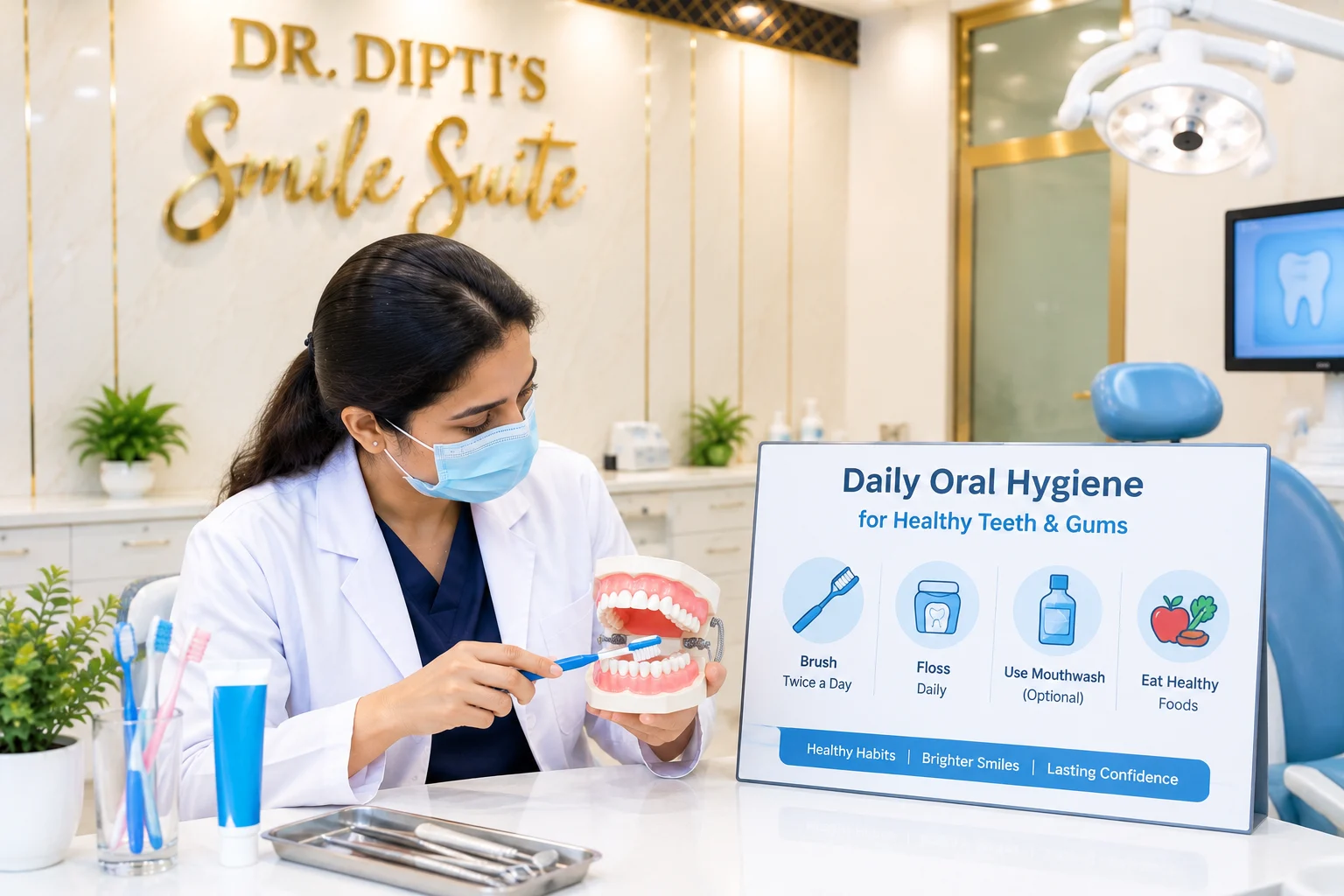
Your Daily Oral Hygiene Routine, From Morning to Night
Think of your day in six checkpoints. Most of them take less than five minutes.
Morning
Brush for two minutes with a fluoride toothpaste and clean your tongue. Brushing before breakfast removes the plaque that built up overnight. Drink a glass of water afterwards to wake up a dry mouth.
After meals and snacks
You do not have to brush after every meal. Rinsing with water is a good habit, especially after tea, coffee, or anything sweet. If you have eaten or drunk something acidic, such as citrus, fruit juice, or a fizzy drink, wait about 30 minutes before brushing so you do not scrub softened enamel.
Night
This is the most important brush of the day. Clean between your teeth first, then brush for two minutes, then clean your tongue. Spit out the toothpaste but do not rinse with water, so the fluoride stays on your teeth overnight. After that, nothing but water until morning.
Once a week
Look at your gums and tongue in good light. Healthy gums are pale pink and firm. Red, puffy, or bleeding gums, white patches, or a coated tongue that does not clear are worth noting.
Every three months
Replace your toothbrush, or the brush head if you use an electric one. Replace it sooner if the bristles splay out or after you have been ill.
Every six months
Book a dental checkup and professional cleaning. Some adults need this more often, and your dentist will tell you which group you fall into. Our guide on how often to get teeth scaling and polishing explains how that interval is decided.
Brushing That Actually Works
Most people brush for the right amount of time with the wrong technique, or the right technique for far too short a time. Here is a simple way to get both right.
- Use a soft-bristled brush and a pea-sized amount of fluoride toothpaste.
- Hold the brush at a 45 degree angle toward the gumline.
- Use small, gentle circles, not a hard back and forth scrub.
- Clean the outer, inner, and chewing surfaces of every tooth.
- Spend about 30 seconds on each quarter of your mouth, two minutes in total.
- Use light pressure. Hold the brush the way you would hold a pen.
Hard brushing feels thorough, but it does not clean better. Over time it can wear the enamel and push gums back, leaving roots exposed and teeth sensitive. If your bristles bend flat within a few weeks, you are pressing too hard.
Cleaning Between Your Teeth and Your Tongue
A toothbrush cannot reach the sides of your teeth, and those surfaces make up a large share of each tooth. This is where cavities and gum problems often start.
Floss or interdental brushes
Once a day, slide floss between each pair of teeth, curve it into a C shape around one tooth, and glide it gently just under the gumline. Do not snap it down. If floss shreds or feels fiddly, small interdental brushes are an excellent alternative, especially around bridges, braces, and larger gaps.
A water flosser is a helpful extra, but it does not fully replace floss or interdental brushes.
Your tongue
A coated tongue holds bacteria that contribute to bad breath. Once a day, use a tongue scraper or the back of your toothbrush, moving gently from back to front three to five times. Rinse the scraper after each pass.
Choosing Your Tools: A Simple Comparison
You do not need an expensive kit. You need tools you will actually use every day.
Manual toothbrush or electric toothbrush
A soft manual brush used with good technique cleans well. Electric brushes add built-in timers and pressure sensors, which helps people who rush or press too hard. Both are fine. The better choice is the one you will use properly for two full minutes.
Floss, interdental brushes, or water flosser
Floss works for tight contacts. Interdental brushes suit wider gaps, bridges, and braces. A water flosser is a good support, especially if dexterity is an issue, but it works best alongside, not instead of, floss or interdental brushes.
Mouthwash
Mouthwash is optional. An alcohol-free fluoride rinse can add protection, but use it at a different time from brushing so you do not wash away the toothpaste fluoride. It can help control bacteria and freshen breath. It cannot remove plaque the way brushing and cleaning between your teeth do.
Habits That Quietly Undo Your Effort
Even careful people fall into these.
- Brushing right after acidic food or drink, which can scrub away softened enamel
- Rinsing with lots of water straight after brushing, which washes off the fluoride
- Skipping the night brush because you are tired
- Snacking on sweets or sipping sugary tea all day, which gives bacteria constant fuel
- Using a toothbrush well past its time
- Relying on mouthwash instead of cleaning between the teeth
- Using your teeth to open packets, tear tape, or crack hard items
- Ignoring the tongue, which carries much of the bacteria behind bad breath
You do not have to fix all of these at once. Pick one, change it for two weeks, then move to the next.
Daily Oral Hygiene for Different Situations
The basics stay the same, but some situations need extra care.
If you wear braces or clear aligners
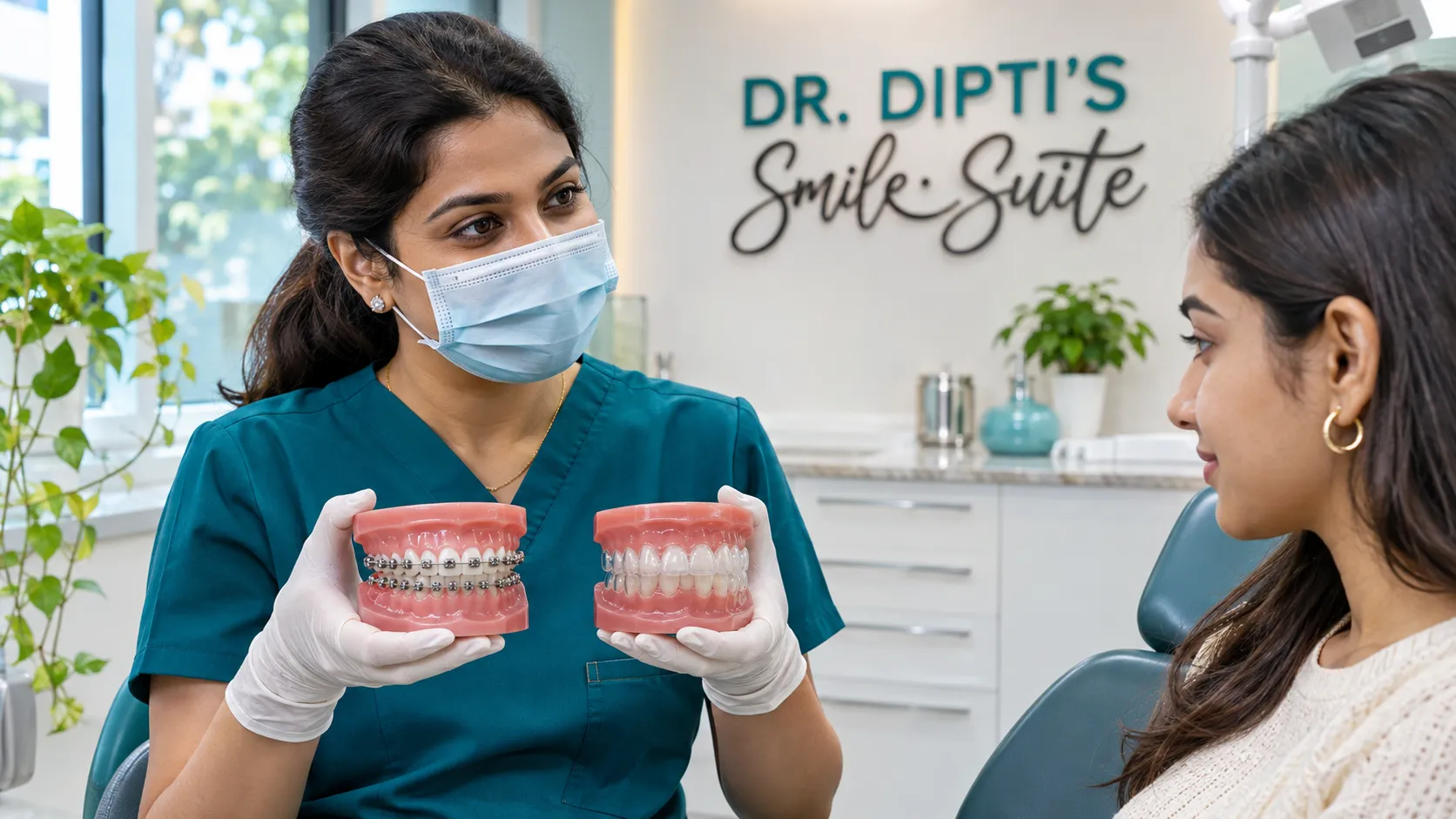
Food and plaque collect around brackets and wires, so brushing takes longer and interdental brushes become essential. Aligner wearers should brush before putting the trays back in and clean the trays daily. If you are considering straightening your teeth, our Invisalign Aligners and Orthodontics teams will show you how to keep your routine simple throughout treatment.
If you have implants, crowns, or bridges
Restorations do not decay, but the gums around them can still become inflamed. Clean carefully around the edges and under bridges with interdental brushes or floss threaders, and keep your regular cleaning visits.
If you use tobacco, paan, or gutka
These habits stain teeth, irritate gums, and raise the risk of serious oral problems. Quitting is the best step for your mouth. Until then, regular dental visits matter more, because your dentist can spot early changes in the mouth that you may not notice yourself.
If you have diabetes
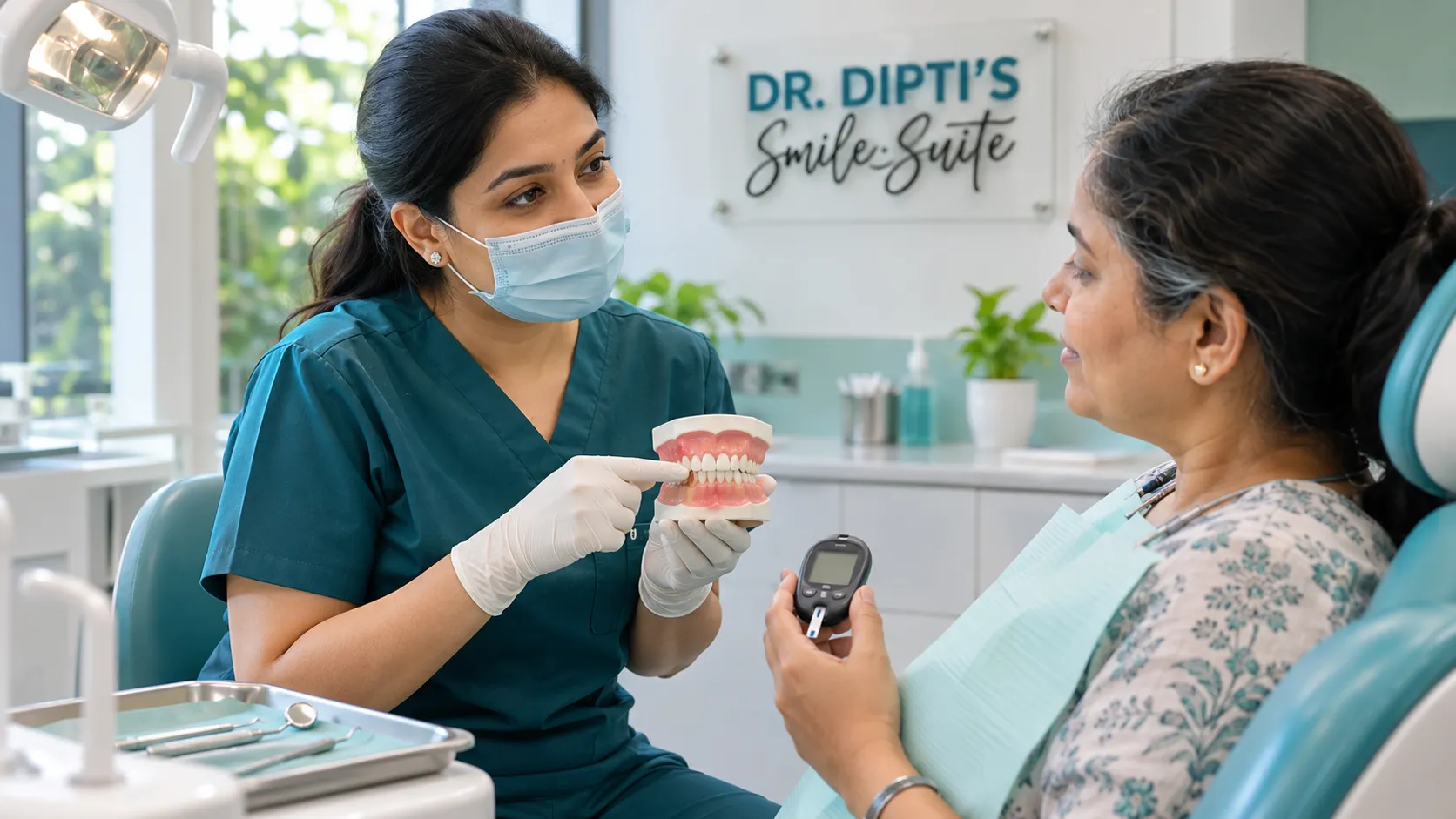
Gums can react more strongly to plaque when blood sugar is not well controlled, and gum disease can in turn make sugar control harder. Daily cleaning between the teeth and more frequent dental visits are usually advised. Tell your dentist about your condition.
If you are pregnant
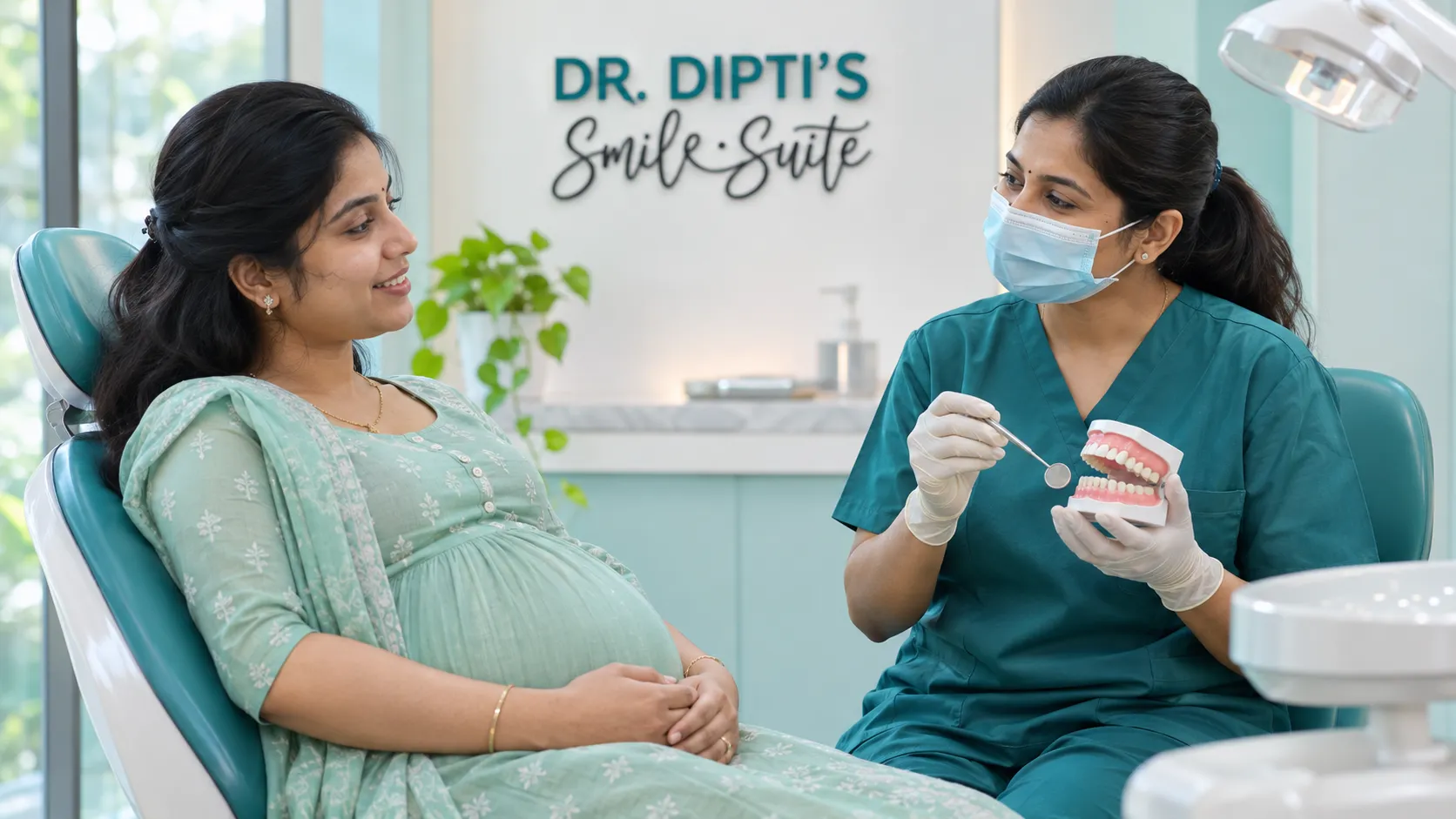
Hormonal changes can make gums more tender and prone to bleeding. Keep up your routine, use a soft brush, and rinse after morning sickness with water, waiting a little before brushing. Routine dental care is generally considered safe during pregnancy, and your dentist can plan the visit around you.
If you have dry mouth or take long-term medication
Less saliva means less natural protection. Sip water often, avoid sugary snacks between meals, and ask your dentist about fluoride products that suit you.
If you wear dentures
Remove them and clean them daily with a soft brush and a denture cleaner, and leave them out overnight so your gums can rest. Clean your gums and tongue too.
Signs Your Routine Needs Professional Help
A good routine controls plaque. It cannot remove tartar or fix damage that has already started. See your dentist if you notice any of these:
- Gums that bleed regularly, or look red and swollen
- Bad breath that returns soon after brushing
- Pain or sensitivity that lingers after hot or cold food
- A dark spot, pit, or hole in a tooth
- Rough yellow or brown deposits near the gumline
- Gums that look like they are shrinking away from the teeth
- Teeth that feel loose or look like they are shifting
- White, red, or sore patches in the mouth that do not heal within two weeks
Do not wait for pain. Many dental problems are quiet in the early stages, which is exactly when treatment is simplest.
How Professional Care Completes Your Routine
Home care and clinic care do their own jobs. You control daily plaque. Your dentist removes hardened tartar, finds problems early, and treats what home care cannot. At Dr. Dipti’s Smile Suite, that covers a full range of services:
- Hardened tartar and stains are cleared with professional teeth scaling and polishing
- Early cavities are repaired with a tooth coloured Composite Filling
- Deep decay or infection that causes lingering pain may need Root Canal treatment to save the tooth
- Missing teeth can be replaced with a Dental Implant, including full mouth implants and same day tooth replacement, while Crown and Bridges restore damaged or missing teeth
- Wisdom teeth and teeth that cannot be saved are handled through Oral Surgery
- Children build healthy habits early with our Pediatric Dentistry team
- Stains that brushing cannot remove respond to Teeth Whitening, including Zoom whitening, and we offer fluorosis treatment for marks caused by fluoride exposure during tooth development
- Chipped, worn, or uneven teeth can be improved with a Dental Veneer, a Smile Makeover, digital smile makeover planning, or care from our Cosmetic Dentist
- Complex cases are planned through full mouth rehabilitation and one day dentistry
- Visitors from abroad can read about our Dental Tourism options
Why Choose Dr. Dipti’s Smile Suite for Teeth Cleaning in Faridabad
Choosing the best dentist in Faridabad is less about promises and more about how you are treated in the chair. This is what we focus on.
Patient care. Dr. Dipti Goyal and her team explain what they see in plain language, show you how to improve your home routine, and never rush nervous patients or parents bringing children.
Technology. We use advanced diagnostic and digital equipment for accurate treatment planning, and we follow strict sterilization protocols at every visit.
Experience. The clinic has more than 15 years of experience and has transformed over 10,000 smiles. We are also proud to be a Black Diamond Invisalign provider.
If you have been searching for a dental clinic near you in Faridabad or a trusted dentist in Delhi NCR, our Sector 14 clinic in Huda Market is easy to reach. Whether you need a routine check or a complete treatment plan, you will meet a team that takes prevention as seriously as treatment.
Start Today, Keep It Simple
A strong routine is two good brushes, one daily clean between your teeth, a quick tongue scrape, and a dental visit twice a year. If it has been a while since your last checkup, or your gums bleed or your breath never feels fresh, this is a good time to get checked.
Book your consultation today at Dr. Dipti’s Smile Suite and visit our Faridabad clinic at SCF 142, Sector 14, Huda Market.
Healthy habits at home and expert care at the clinic make the best team for your smile. Book an Appointment.
Clinic timings: Monday to Saturday, 10 am to 3 pm and 5:30 pm to 8 pm. Call or WhatsApp 8882850066.