
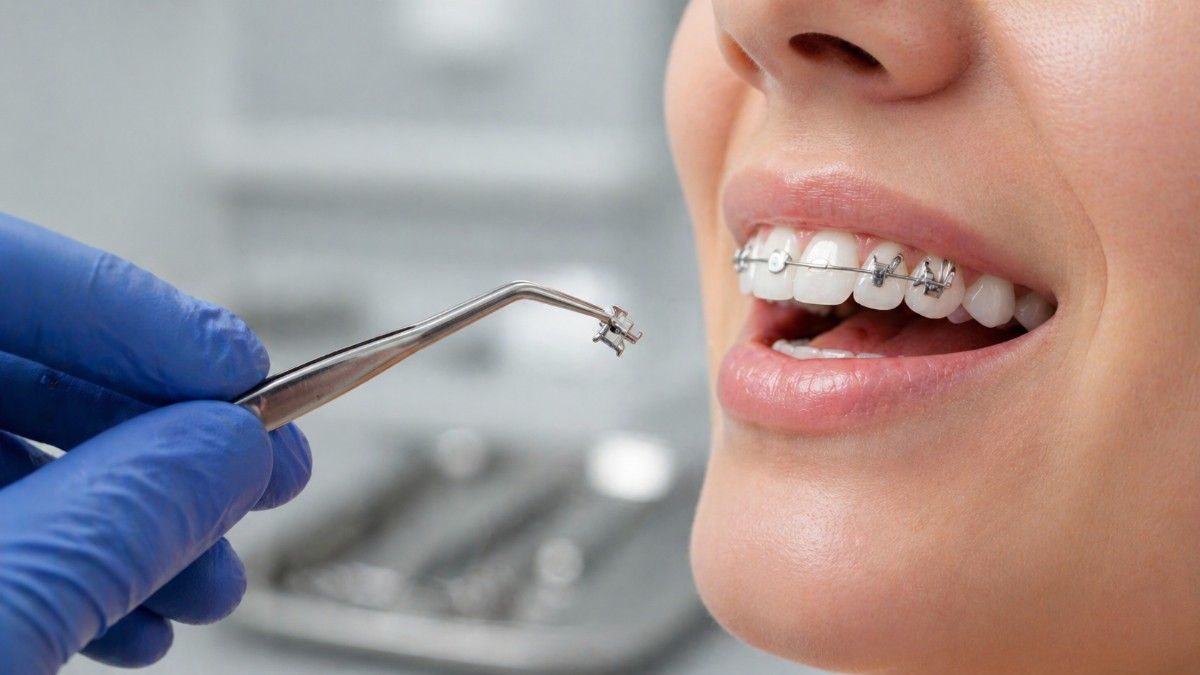
If you’ve heard the term “dental clips” and felt a little confused, you’re not alone. Many people use this term when they actually mean braces or aligners. Whether you call them clips, braces, or aligners, the goal is the same. To straighten your teeth and improve your smile.
Understanding what dental clips for teeth really are can help you make better decisions about your dental care.
What Are Dental Clips for Teeth?
“Dental clips” is a common informal term used for devices that help align teeth. These can include:
- Traditional braces (with brackets and wires)
- Clear aligners (invisible trays)
- Removable orthodontic appliances
In simple terms, dental clips apply gentle pressure to move your teeth into the right position over time.
In my experience, patients often walk in asking for “clips,” and once we explain the options, they realize they have more choices than they thought.
Types of Dental Clips for Teeth
There isn’t just one kind of dental clip. The right type depends on your dental condition and lifestyle.
1. Metal Braces (Traditional Clips)
These are the most commonly known “clips.” They use metal brackets and wires to shift teeth.
They are highly effective, especially for complex cases.
2. Ceramic Braces
Similar to metal braces but tooth-colored, making them less noticeable.
3. Invisible Aligners
These are clear, removable trays that gradually align teeth.
I’ve noticed that many adults prefer aligners because they don’t want visible braces during meetings or social events.
4. Removable Clips
These are used mainly for minor corrections or early orthodontic treatment in children.
How Dental Clips Work
The science behind dental clips is simple but powerful.
They apply controlled pressure on specific teeth over time. This pressure slowly moves the teeth into the desired position.
Basic Process
- Initial dental consultation
- Assessment and treatment planning
- Placement of clips or aligners
- Regular adjustments or tray changes
- Retention phase after treatment
Consistency is key. Skipping adjustments or not wearing aligners properly can delay results.
Benefits of Dental Clips for Teeth
Dental clips are not just about aesthetics. They offer multiple long-term benefits.
Key Advantages
- Straighter, more attractive smile
- Improved oral hygiene
- Better chewing and speech
- Reduced risk of tooth decay and gum disease
A study from the World Federation of Orthodontists highlights that properly aligned teeth are easier to maintain, reducing long-term dental issues.
Who Needs Dental Clips?
You may benefit from dental clips if you have:
- Crooked or crowded teeth
- Gaps between teeth
- Bite issues like overbite or underbite
- Jaw discomfort
In my experience, even minor alignment issues can make a big difference once corrected. Patients often wish they had started earlier.
Dental Clips for Kids vs Adults
Orthodontic treatment works for all age groups.
For Kids
Early treatment can guide proper jaw growth and prevent severe problems later.
For Adults
Modern options like invisible aligners make treatment discreet and convenient.
I’ve seen adults finally take the step after years of hesitation, and the confidence boost is always noticeable.
How to Take Care of Dental Clips
Proper care ensures faster results and fewer complications.
Daily Care Tips
- Brush after every meal
- Avoid sticky and hard foods
- Clean aligners regularly
- Follow your dentist’s instructions
- Attend scheduled appointments
Patients who follow these habits usually experience smoother treatment progress.
Why Choose Dr. Dipti's Smile Suite
Orthodontic treatment is a journey that requires trust and expertise.
At Dr. Dipti's Smile Suite, patients receive:
- Customized treatment plans
- Modern orthodontic solutions
- Comfortable and hygienic care
- Continuous monitoring and support
Many patients appreciate the clear communication and personalized approach, which makes the entire process stress-free.