
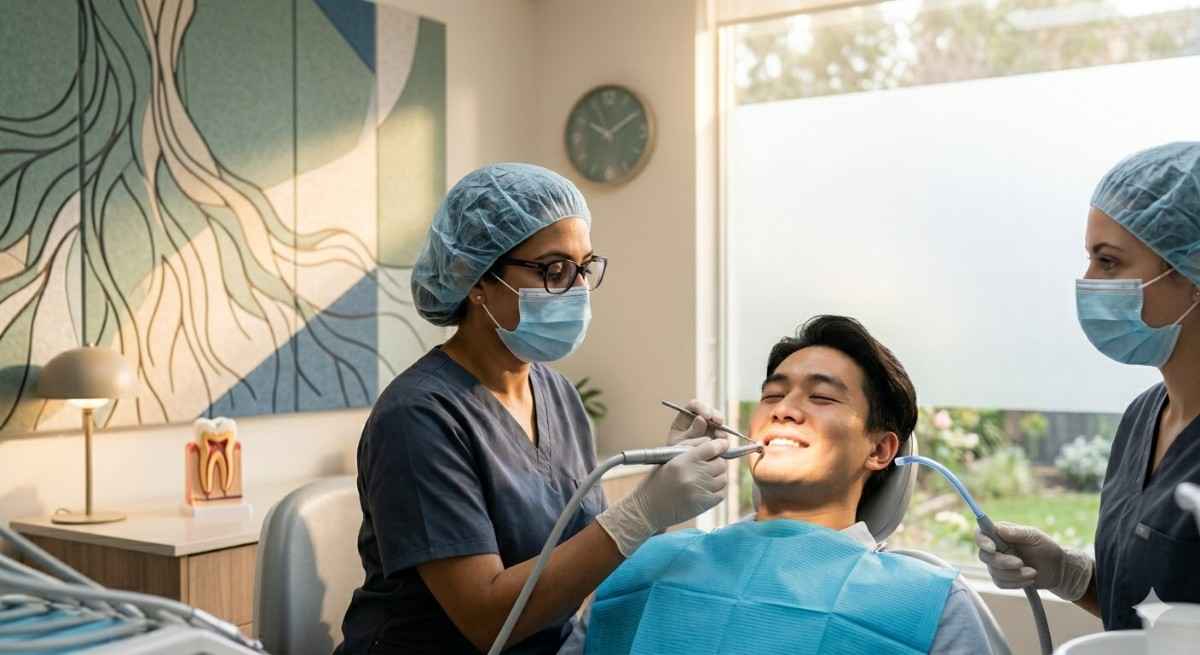
The good news is that modern dentistry has changed dramatically. Treatments today are faster, more precise, and far more comfortable than most people expect. At Dr. Dipti's Smile Suite, the goal is not just to treat a painful tooth but to restore your comfort, confidence, and overall oral health in a way that feels reassuring from the moment you walk in.
Why Choosing the Right Root Dental Clinic Matters
A tooth infection rarely fixes itself. What starts as mild sensitivity can slowly turn into severe pain, swelling, or deep infection if left untreated.
I've noticed that many people delay treatment because they're nervous about dental procedures. Some are worried about pain. Others assume the tooth will settle down on its own. Unfortunately, waiting often makes treatment more complicated later.
A reliable root dental clinic focuses on:
- Accurate diagnosis
- Gentle treatment techniques
- Preserving natural teeth
- Long-term oral health
- Patient comfort throughout the process
That combination matters more than people realize.
Understanding Root Canal Treatment
Root canal treatment is one of the most common procedures performed in a modern dental clinic. Despite its reputation, it's designed to relieve pain, not create it.
Inside every tooth is soft tissue called pulp. When bacteria enter through deep decay, cracks, or trauma, the pulp can become infected.
Root canal treatment involves:
- Removing infected tissue
- Cleaning and disinfecting the canals
- Sealing the tooth
- Restoring strength and function
The aim is to save your natural tooth whenever possible.
According to the Indian Endodontic Society, properly treated root canal teeth can function successfully for many years with good oral care. That is why preserving natural teeth remains the preferred option in most cases.
Signs You May Need a Root Dental Clinic
Sometimes the symptoms are obvious. Other times, they're surprisingly subtle.
Persistent Tooth Pain
Pain that lingers while eating, drinking, or chewing should never be ignored.
Sensitivity to Hot or Cold
If your tooth reacts strongly to temperature and the sensation stays even after the trigger is removed, the nerve may be affected.
Swollen Gums
Swelling near a specific tooth can indicate infection beneath the surface.
Tooth Discoloration
A darkened tooth may signal internal nerve damage.
Pain While Biting
Pressure sensitivity often suggests inflammation inside the tooth root.
In my experience, many patients assume they only need treatment when pain becomes unbearable. The truth is that early care is usually simpler and more comfortable.
What Happens During a Root Canal Procedure?
Many people walk into a root dental clinic expecting an unpleasant experience. Most leave saying the procedure was easier than they imagined.
Step 1: Examination and Digital Imaging
Your dentist examines the tooth carefully and may use digital X-rays to identify infection, decay, or nerve damage.
Step 2: Local Anesthesia
The area is numbed thoroughly to keep you comfortable.
When I tried local anesthesia during a dental procedure years ago, I remember realizing how different modern dentistry feels compared to the stories people often hear.
Step 3: Cleaning the Infection
Tiny instruments are used to clean the inside of the tooth carefully.
Step 4: Sealing the Tooth
After cleaning, the canals are sealed to protect against future infection.
Step 5: Tooth Restoration
In many cases, a dental crown is recommended to strengthen the treated tooth.
Why Saving Your Natural Tooth Is Important
Natural teeth do more than help you chew.
They maintain:
- Jawbone structure
- Bite balance
- Speech clarity
- Facial support
- Natural chewing function
Removing a tooth can sometimes create shifting, bite problems, or additional dental complications over time.
A skilled root dental clinic prioritizes preservation whenever possible.
Modern Dentistry Has Changed the Experience
The fear surrounding root canal treatment often comes from outdated stories.
Today's techniques involve:
- Digital diagnostics
- Precision instruments
- Advanced anesthesia
- Improved sterilization
- Better patient comfort systems
I've noticed that patients are often surprised by how calm and manageable the procedure feels.
Many even return to work the same day.
Common Causes of Root Infections
Several factors can damage the inner pulp of a tooth.
Deep Cavities
Untreated decay is one of the leading causes of infection.
Cracked Teeth
Tiny fractures allow bacteria to enter the tooth structure.
Repeated Dental Work
Multiple procedures on the same tooth may irritate the pulp over time.
Trauma or Injury
Sports injuries or accidental impacts can damage the nerve even without visible cracks.
How to Protect Your Teeth From Future Problems
Prevention always matters.
Simple habits can reduce your chances of needing major treatment later.
Daily Oral Care Tips
- Brush twice daily using fluoride toothpaste
- Floss consistently
- Limit sugary snacks and acidic drinks
- Avoid chewing hard objects
- Visit your dentist regularly
At Dr. Dipti's Smile Suite, preventive care is considered just as important as treatment itself.
The Emotional Side of Dental Pain
Dental discomfort affects more than your mouth.
I've noticed that people dealing with ongoing tooth pain often become irritable, distracted, and exhausted. Even simple things like drinking water or smiling can feel stressful.
One patient described it perfectly:
"I didn't realize how much energy I was spending thinking about my tooth until the pain disappeared."
That sense of relief matters.
Choosing a Trusted Root Dental Clinic
Not every clinic approaches patient care the same way.
A dependable dental clinic should offer:
- Clear explanations
- Comfortable treatment planning
- Modern technology
- Personalized care
- Strong hygiene standards
You should never feel rushed into decisions.
In my experience, the best dental professionals focus as much on listening as they do on treating.
Cosmetic and Functional Restoration After Treatment
A treated tooth still needs protection and proper restoration.
Depending on the condition of the tooth, your dentist may recommend:
- Tooth-colored fillings
- Ceramic crowns
- Cosmetic reshaping
- Bite adjustment
At Dr. Dipti's Smile Suite, restorations are designed to blend naturally with surrounding teeth so your smile feels healthy and balanced.
When You Should Not Delay Treatment
Certain symptoms require prompt dental attention:
- Severe swelling
- Fever with tooth pain
- Facial swelling
- Difficulty chewing
- Pus near the gums
- Sudden sharp pain
Ignoring these signs can allow infection to spread deeper into surrounding tissues.
The Importance of Follow-Up Care
Successful treatment doesn't end after the procedure.
Follow-up visits help monitor:
- Healing progress
- Bite alignment
- Crown fit
- Long-term tooth stability
I've noticed that patients who maintain regular checkups often avoid future complications entirely.
Creating a Comfortable Dental Experience
Fear of dentistry is extremely common. A good clinic understands that emotional comfort matters too.
Small details make a difference:
- Calm communication
- Gentle treatment techniques
- Clear expectations
- Supportive staff
- Modern equipment
At Dr. Dipti's Smile Suite, patient comfort is treated as a priority rather than an afterthought.