
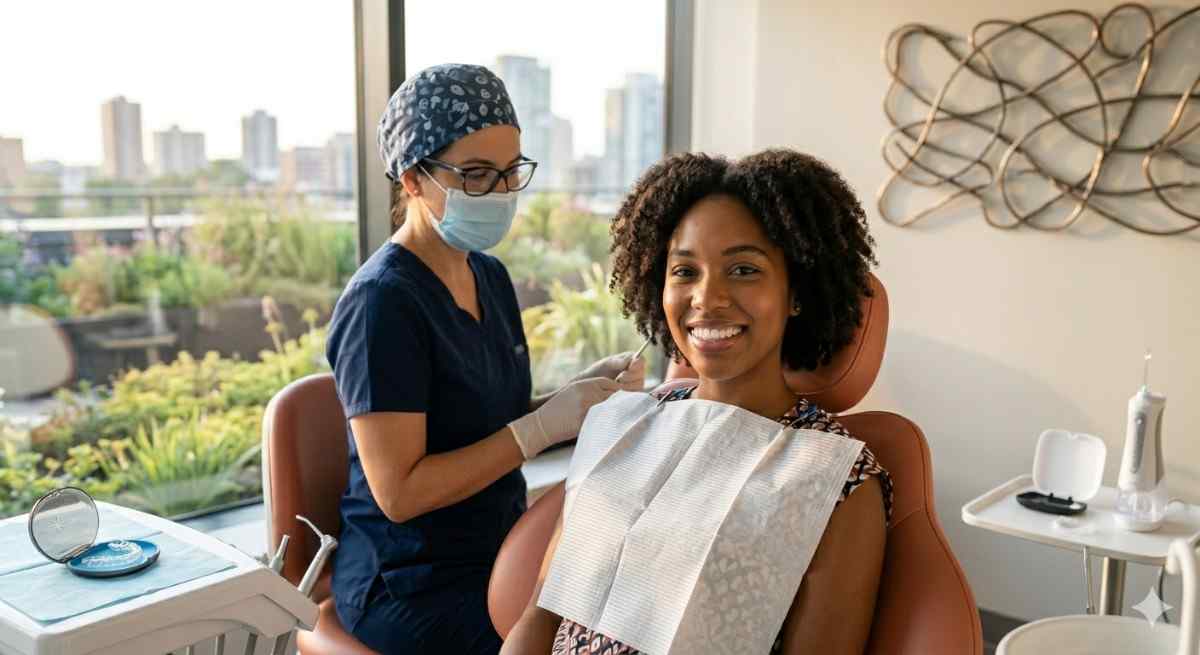
If you've ever avoided smiling fully in photos or felt self-conscious during conversations because of crooked teeth, you're not alone. At Dr. Dipti's Smile Suite, patients often say they delayed orthodontic treatment for years simply because they didn't want visible braces. Invisible aligners have changed that experience completely.
What Are Invisible Dental Braces?
Invisible dental braces are clear, removable aligners designed to gradually move teeth into better alignment. Unlike traditional braces, they do not use visible metal wires or brackets.
Each aligner tray is custom-made to fit your teeth precisely. Over time, the trays apply gentle pressure that shifts teeth into their planned position.
The biggest reason people prefer invisible braces is simple. Most others barely notice you're wearing them.
Why More Adults Are Choosing Invisible Braces
Orthodontic treatment is no longer limited to teenagers. Adults now make up a large percentage of aligner patients worldwide.
I've noticed that professionals especially prefer invisible options because they:
- Feel more confident during meetings
- Avoid visible metal brackets
- Can remove aligners during important events
- Maintain a cleaner appearance socially
A study published by the American Association of Orthodontists reported significant growth in adult orthodontic treatment over the past decade, particularly for discreet alignment systems.
That shift reflects changing attitudes toward dental care and self-confidence.
How Invisible Dental Braces Work
The process is highly planned and surprisingly precise.
Digital Smile Assessment
Your dentist examines:
- Tooth alignment
- Bite position
- Jaw balance
- Spacing issues
- Crowding severity
Digital scans are often used instead of traditional impressions.
Customized Treatment Planning
Advanced software maps gradual tooth movement step by step.
At Dr. Dipti's Smile Suite, digital planning helps patients preview expected smile improvements before treatment begins.
Series of Aligners
You'll wear a sequence of custom aligners, changing them periodically as directed by your dentist.
Each new set continues the movement process gradually.
Problems Invisible Dental Braces Can Correct
Invisible aligners are effective for many common orthodontic concerns.
Crowded Teeth
Teeth overlap because of limited space in the jaw.
Gaps Between Teeth
Spacing issues affect both appearance and bite balance.
Mild to Moderate Bite Problems
Invisible aligners may help improve:
- Overbite
- Underbite
- Crossbite
- Open bite
Uneven Tooth Alignment
Crooked or rotated teeth can often be corrected effectively.
In my experience, many patients are surprised to learn that aligners can address more than cosmetic concerns alone.
Why Patients Prefer Invisible Braces
The benefits go beyond appearance.
Nearly Invisible Appearance
Most people won't notice the aligners during regular conversation.
Removable Convenience
You can remove aligners while:
- Eating meals
- Brushing teeth
- Flossing
- Attending special occasions
Better Oral Hygiene
Without fixed brackets, cleaning your teeth becomes easier compared to traditional braces.
More Comfortable Experience
Smooth aligners typically reduce irritation caused by metal wires.
When I tried wearing a sample aligner during a dental workshop years ago, I remember being surprised by how lightweight and smooth it felt.
Are Invisible Dental Braces Right for Everyone?
Not always.
While aligners work very well for many people, severe orthodontic cases may still require traditional braces or hybrid treatment approaches.
A consultation helps determine:
- Tooth movement complexity
- Jaw alignment
- Bite correction needs
- Overall treatment suitability
I've noticed that patients sometimes assume invisible braces are automatically the best solution for every case. A skilled orthodontic assessment is always important.
Daily Life With Invisible Aligners
Most people adapt quickly within a few days.
Eating and Drinking
Aligners are removed before meals, which means there are usually fewer food restrictions compared to fixed braces.
Cleaning Routine
Aligners should be cleaned regularly to maintain hygiene and clarity.
Speech Changes
Some patients notice a slight adjustment period when speaking initially, though this usually improves quickly.
Wearing Time Matters
Consistency is extremely important for successful treatment outcomes.
The Emotional Impact of Straighter Teeth
A smile affects how people carry themselves socially and professionally.
I've noticed that once alignment improves, patients often:
- Smile more naturally
- Speak more confidently
- Feel less self-conscious
- Become more comfortable in photographs
One patient explained it this way:
"I stopped thinking about hiding my teeth every time someone pulled out a camera."
That emotional freedom often becomes just as valuable as the cosmetic improvement itself.
Invisible Braces vs Traditional Metal Braces
Both options aim to straighten teeth effectively, but the experience can feel very different.
Invisible Aligners
- Clear and discreet
- Removable
- Easier oral hygiene
- More flexible socially
Metal Braces
- Fixed to teeth
- Effective for complex corrections
- Visible during treatment
- Require more careful cleaning
The best choice depends on your orthodontic needs and lifestyle preferences.
Maintaining Oral Health During Treatment
Orthodontic treatment works best when oral hygiene stays consistent.
Helpful Daily Habits
- Brush after meals
- Clean aligners properly
- Stay hydrated
- Avoid skipping aligner wear time
- Attend follow-up appointments
At Dr. Dipti's Smile Suite, patient education is considered an important part of successful orthodontic care.
How Long Does Treatment Usually Take?
Treatment timelines vary depending on:
- Alignment complexity
- Bite correction needs
- Consistency of aligner wear
- Individual biological response
Some patients see visible improvements relatively early, while comprehensive corrections naturally require more time.
In my experience, patients who follow instructions consistently usually progress much more smoothly.
The Importance of Retainers After Treatment
Once teeth are aligned, retainers help maintain the results.
Without retention, teeth naturally tend to shift gradually over time.
Retainers may be:
- Removable
- Fixed behind teeth
- Worn nightly after treatment
This phase is just as important as active alignment itself.
Choosing the Right Clinic for Invisible Dental Braces
Technology matters, but experience matters even more.
A trusted clinic should offer:
- Detailed orthodontic assessment
- Digital treatment planning
- Personalized care
- Transparent communication
- Regular monitoring
Comfort and trust play a major role throughout orthodontic treatment.
At Dr. Dipti's Smile Suite, treatment planning focuses on both smile aesthetics and long-term bite health.
Common Myths About Invisible Braces
"Invisible braces are only cosmetic"
Aligners can also improve bite function and oral hygiene accessibility.
"Treatment works instantly"
Teeth move gradually and safely over time. Patience matters.
"You can skip wearing aligners occasionally"
Consistent wear is essential for predictable progress.
"Invisible braces are painful"
Most patients experience mild pressure rather than actual pain.
Why Orthodontic Alignment Is About More Than Looks
Straight teeth often contribute to:
- Easier cleaning
- Reduced plaque buildup
- Better chewing balance
- Less uneven wear
- Improved long-term dental stability
A balanced smile supports both confidence and oral health.