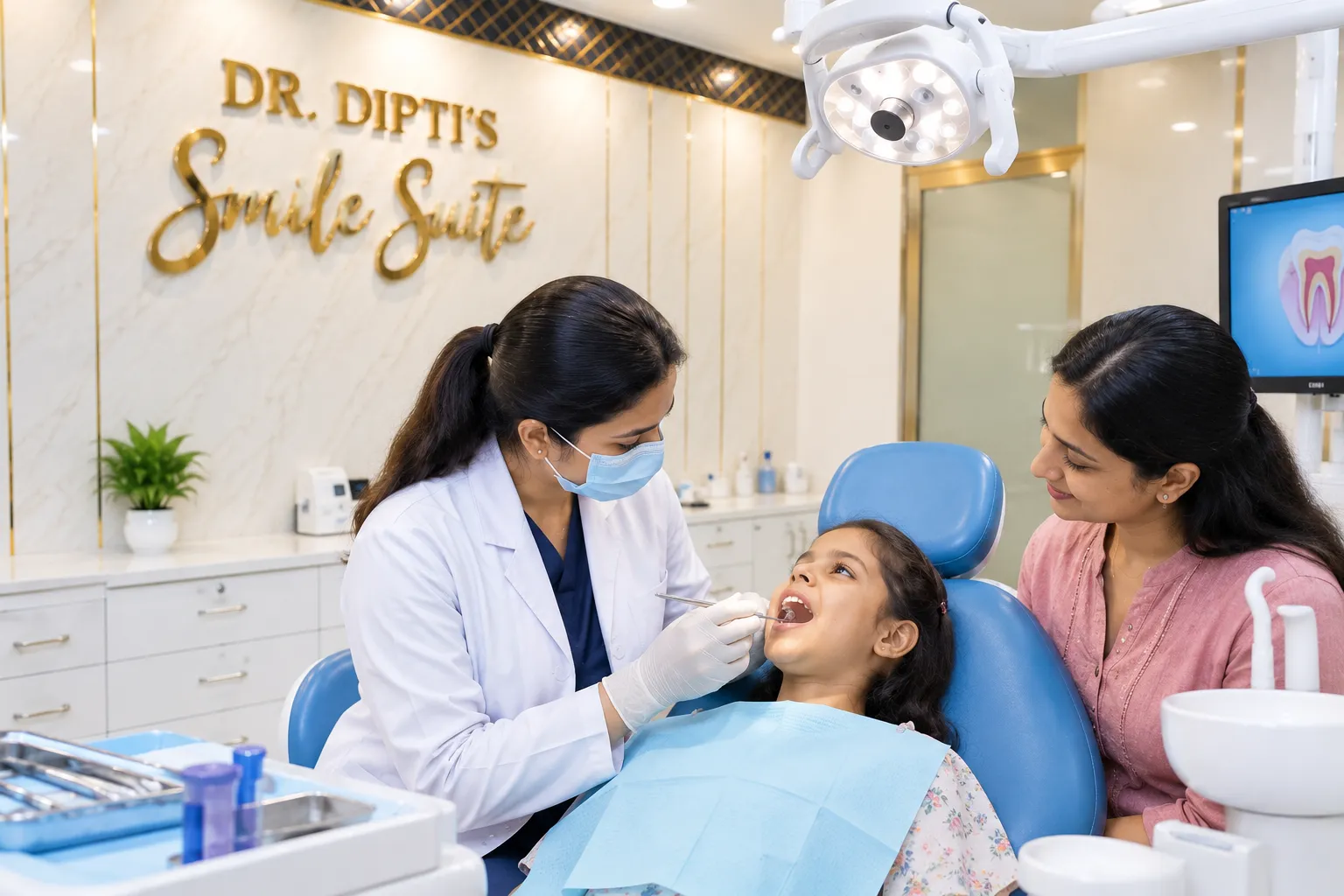

You have invested time and money into restoring your smile with a dental bridge. That bridge replaces one or more missing teeth. It is bonded to the adjacent natural teeth. It looks natural. It lets you chew properly. It gives you back your confidence.
But here is something many patients do not realize. A dental bridge requires daily care. It is not like a natural tooth. It has hidden surfaces that trap food and bacteria. Without proper care, the supporting teeth can decay. The gums around the bridge can become infected. The bridge itself can fail.
The good news is that caring for Dental Bridges in Faridabad is simple once you know the right techniques. This blog teaches you exactly what to do. You will learn a daily care routine, foods to avoid, signs of trouble, and how to make your bridge last for decades.
Understanding What a Dental Bridge Is
Before learning care techniques, let me explain what a dental bridge actually is.
The Basic Structure
A dental bridge has three parts.
-
The false tooth or teeth in the middle. This is called a pontic. It looks like a natural tooth. It fills the gap where teeth are missing.
-
The crowns on the ends. These are called abutments. They fit over the natural teeth on either side of the gap. The false tooth is attached to these crowns.
-
The connector. This is the hidden part that joins the false tooth to the crowns. It is made of metal, ceramic, or a combination.
How It Is Placed
-
The natural teeth on either side of the gap are reshaped. A small amount of enamel is removed.
-
Digital impressions are taken.
-
A dental lab fabricates the bridge.
-
At the second visit, the bridge is cemented onto the prepared teeth.
The bridge cannot be removed at home. Only a dentist can take it out. This is why it is called a fixed bridge.
Why Proper Care Matters
Here is the critical point. The natural teeth under the crowns are still alive. They can still get cavities. They can still develop gum disease. But you cannot see them. They are hidden under the bridge.
If decay develops under a crown, you may not know until the tooth is severely damaged. By then, the bridge may need to be removed. The tooth may need a root canal or extraction. A new bridge may need to be made.
Proper care prevents this from happening.
The Hidden Problem Most Patients Miss
Let me describe a common scenario.
A patient gets a three unit bridge replacing one missing tooth. The bridge looks beautiful. The patient brushes twice a day. The patient flosses between the natural teeth that are not part of the bridge. Everything seems fine.
But under the bridge, food particles accumulate. Bacteria multiply. The gums become inflamed. Over time, decay starts on the supporting teeth. By the time the patient feels pain or notices bleeding gums, significant damage has occurred.
This is the hidden problem with bridges. The areas under the bridge and between the bridge and gums are difficult to clean. Standard brushing and flossing do not reach these spaces.
The solution is specific tools and techniques designed for bridges.
The Daily Care Checklist
Follow this checklist every single day to keep your Dental Bridges in Faridabad in excellent condition.
Morning Routine
-
Brush all teeth including the bridge with a soft toothbrush
-
Pay special attention to the area where the bridge meets the gum
-
Use a non abrasive toothpaste
-
Brush for a full two minutes
After Every Meal
-
Rinse your mouth with water to remove loose food particles
-
If possible, brush after meals
-
If brushing is not possible, rinse thoroughly
Nighttime Routine
-
Brush all teeth thoroughly for two minutes
-
Use a bridge floss or super floss to clean under the bridge
-
Use a water flosser on a low setting to flush out debris
-
Rinse with an alcohol free fluoride mouthwash
Weekly Routine
-
Inspect the bridge in good light
-
Look for any chips, cracks, or rough spots
-
Check the gums around the bridge for redness or swelling
-
Run your tongue along the bridge to feel for changes
Tools You Need for Proper Bridge Care
Regular floss will not work for a bridge. You need special tools. Let me explain each one.
Bridge Floss or Super Floss
This is a thick floss with a stiffened end. The stiff end is threaded under the bridge. The fluffy middle section cleans the wide space under the pontic. The regular floss section cleans between the natural teeth.
How to use it
-
Thread the stiff end under the bridge from the cheek side
-
Pull it through until the fluffy section is under the bridge
-
Move the floss back and forth and up and down
-
Curve the floss around each supporting tooth
-
Repeat for each side of the bridge
Interdental Brushes
These are tiny brushes with short bristles on a small wire handle. They come in different sizes. They fit into spaces that floss cannot reach.
How to use them
-
Choose a size that fits snugly but not tightly under the bridge
-
Insert the brush from the cheek side
-
Move it back and forth several times
-
Rinse the brush
-
Repeat from the tongue side if the space is large enough
Water Flosser
This device shoots a thin stream of water. It flushes out food particles and bacteria from under the bridge. It is especially helpful for bridges that are hard to reach with floss.
How to use it
-
Fill the reservoir with warm water
-
Choose a low or medium pressure setting
-
Aim the tip at the gum line above the bridge
-
Let the water flow under the bridge
-
Move the tip along the entire bridge
-
Do this for about one minute
Single Tufted Brush
This is a small toothbrush with a tiny head. It cleans the gum area around the bridge and the surfaces of the supporting teeth.
How to use it
-
Apply a small amount of toothpaste
-
Gently brush the gum line where the bridge meets the tissue
-
Also brush the surfaces of the crowns
Step by Step Nighttime Cleaning Routine
Let me walk you through the exact sequence for cleaning your bridge at night.
Step 1: Brush all your teeth for two minutes. Use a soft toothbrush. Pay attention to the bridge but do not scrub aggressively.
Step 2: Rinse your mouth with water.
Step 3: Take your bridge floss or super floss. Thread it under the bridge from the cheek side. Pull it through until the fluffy section is under the pontic. Move it back and forth five times. Curve it around each supporting tooth. Pull the floss out from the tongue side.
Step 4: Repeat step 3 for each space under the bridge. If your bridge replaces multiple teeth, there will be several spaces.
Step 5: Take your interdental brush. Insert it under the bridge from the cheek side. Move it back and forth five times. Rinse the brush. Repeat from the tongue side if possible.
Step 6: Use your water flosser. Aim at the gum line above the bridge. Let the water flush under the bridge for one minute.
Step 7: Rinse with an alcohol free fluoride mouthwash. Swish for 30 seconds.
Step 8: Inspect the bridge and gums in a mirror. Look for any redness, swelling, or trapped food.
This entire routine takes about five to seven minutes once you are practiced.
Symptoms That Indicate a Problem
Watch for these signs. If you notice any, visit your dentist promptly.
Gum Related Symptoms
-
Redness or swelling around the bridge
-
Bleeding when you brush or floss near the bridge
-
Bad taste or bad breath that does not go away
-
Pain or tenderness when you press on the gum near the bridge
-
Receding gums that expose the edge of the bridge
Bridge Related Symptoms
-
The bridge feels loose or wiggly
-
You feel roughness or a chip on the bridge surface
-
The bridge has changed color or looks different
-
Food gets stuck under the bridge more than usual
-
You hear a clicking sound when you chew
Tooth Related Symptoms
-
Sensitivity to hot or cold on the teeth next to the bridge
-
Pain when biting down on the bridge
-
Discomfort that wakes you at night
-
Pain that spreads to your jaw or ear
Do not ignore these symptoms. Early treatment can save the bridge. Delayed treatment often means removing the bridge and replacing it.
Causes of Bridge Problems
Understanding the causes helps you prevent them.
Poor Oral Hygiene
This is the number one cause. Plaque accumulates under the bridge. Bacteria produce acid. The acid decays the supporting teeth. The gums become inflamed. Periodontal disease develops.
Solution: Follow the daily care checklist strictly.
Eating Hard Foods
Chewing ice, hard candy, or bones can chip the porcelain on your bridge. The underlying metal may show. The rough surface traps more plaque.
Solution: Avoid hard foods. Cut hard foods like apples into small pieces instead of biting into them.
Teeth Grinding
Grinding or clenching your teeth puts enormous pressure on your bridge. The porcelain can crack. The cement can break down. The supporting teeth can loosen.
Solution: Wear a night guard if you grind. Your dentist can make a custom guard.
Poor Initial Fit
If the bridge does not fit perfectly, gaps exist where food traps. Some bridges are poorly designed with rough surfaces under the pontic.
Solution: Choose an experienced dentist like Dr. Dipti Smile Suite who uses digital scanning and quality labs.
Medical Conditions
Dry mouth reduces the natural cleansing effect of saliva. Acid reflux exposes the bridge to stomach acid. Diabetes increases infection risk.
Solution: Manage your medical conditions. Use saliva substitutes if needed. Inform your dentist about all medications.
Do's and Don'ts for Bridge Longevity
Let me give you clear guidelines.
Do's
-
Do brush twice daily with a soft toothbrush
-
Do floss under the bridge daily using bridge floss or super floss
-
Do use a water flosser to flush out debris
-
Do visit your dentist every six months for checkups and cleanings
-
Do inform your dentist immediately if the bridge feels loose
-
Do wear a night guard if you grind your teeth
-
Do cut hard foods into small pieces before eating
-
Do drink plenty of water to keep your mouth moist
-
Do use an alcohol free fluoride mouthwash
-
Do keep your regular dental appointments even if nothing hurts
Don'ts
-
Do not chew ice, hard candy, or bones
-
Do not use your teeth as tools to open packages
-
Do not skip flossing under the bridge even if it is difficult
-
Do not use abrasive toothpaste that scratches the porcelain
-
Do not smoke or use tobacco products
-
Do not ignore bleeding gums around the bridge
-
Do not eat sticky foods like caramel or toffee that can pull at the bridge
-
Do not go years without a dental checkup
-
Do not try to fix a loose bridge yourself
-
Do not assume no pain means no problem
Foods to Enjoy and Foods to Avoid
Your bridge can handle most foods. But some foods need caution.
Safe Foods to Enjoy
-
Soft breads and roti without hard crust
-
Cooked vegetables
-
Rice and dal
-
Yogurt and cheese
-
Soft fruits like bananas and mangoes
-
Fish and soft cooked chicken
-
Pasta and noodles
-
Eggs
-
Smoothies and milkshakes
Foods to Eat Carefully
-
Apples. Cut into small slices instead of biting.
-
Corn on the cob. Cut the kernels off first.
-
Bones in meat or fish. Remove bones before eating.
-
Hard bread crusts. Tear into small pieces.
-
Nuts. Eat one at a time on the opposite side of your mouth.
Foods to Avoid Completely
-
Hard candy and lollipops
-
Ice cubes
-
Popcorn kernels
-
Hard chikki or brittle
-
Sticky toffee or caramel
-
Whole apples or pears bitten directly
-
Frozen hard foods
-
Pens, fingernails, or other non food items
The 6 Month Professional Maintenance Visit
Your home care is essential. But professional care is equally important.
What Happens at a Maintenance Visit
-
The dentist examines your bridge. The fit is checked.
-
The margins where the bridge meets the tooth are inspected.
-
The gums around the bridge are probed for pockets.
-
The hygienist cleans around and under the bridge. Special instruments reach areas your home tools cannot.
-
X rays are taken periodically to check the supporting teeth under the crowns.
-
The dentist checks for any chips, cracks, or wear on the bridge surface.
Why This Matters
Your dentist can detect problems early. A small gap at the margin can be sealed. Early decay under a crown can be treated before it destroys the tooth. Minor chipping can be polished smooth.
Without these checkups, small problems become big problems. A bridge that could have lasted 20 years fails in 5 years.
How Often
Every six months. Same as your regular dental checkup. Do not skip.
Signs That Your Bridge Needs Replacement
Even with excellent care, bridges eventually wear out. Here are signs that replacement may be needed.
-
The bridge has visible chips or cracks.
-
The porcelain has worn thin and the metal shows through.
-
The bridge feels loose or moves when you chew.
-
You see a dark line at the gum line where the bridge meets the tooth.
-
Your gums are consistently red or bleed easily around the bridge.
-
Food gets trapped constantly no matter how well you clean.
-
The bridge has been in place for more than 15 to 20 years.
A well made bridge placed by an experienced dentist can last 15 years or longer. Some last 25 years. But nothing lasts forever. When your dentist recommends replacement, listen. A failing bridge damages the supporting teeth.
Benefits vs Risks of Dental Bridges
Let me be honest about both sides.
Benefits of a Dental Bridge
-
Restores your ability to chew properly
-
Prevents adjacent teeth from shifting into the gap
-
Maintains the shape of your face
-
Distributes bite forces evenly
-
Looks natural and matches your other teeth
-
Does not require surgery like implants
-
Completed in just two to three visits
-
Costs less than implants upfront
Risks of a Dental Bridge
-
The supporting teeth must be reshaped. This removes healthy enamel.
-
Decay can develop under the crowns without you knowing.
-
The bridge does not stimulate bone like an implant. Bone may shrink over time.
-
Bridges typically last 10 to 15 years before needing replacement.
-
Cleaning requires special tools and extra time.
-
If a supporting tooth fails, the whole bridge fails.
Comparison with Implants
-
Implants do not require damaging adjacent teeth.
-
Implants stimulate bone and prevent shrinkage.
-
Implants can last a lifetime.
-
Implants require surgery, take more time, and cost more upfront.
-
Bridges are faster, non surgical, and more affordable upfront.
-
Bridges require good home care and eventually need replacement.
Your dentist helps you choose based on your specific situation.
Why Dr. Dipti Smile Suite for Dental Bridges in Faridabad
If you need a new bridge or want your existing bridge checked, here is why this clinic is the right choice.
Precision Fit Using Digital Scanning
No messy impressions. The intraoral scanner captures every detail. The digital model is sent to the lab. The bridge fits perfectly the first time. No gaps where food traps.
Quality Materials
Only premium porcelain and high strength ceramics are used. The bridges look natural and resist chipping. The supporting crowns fit snugly against the tooth margin.
Experienced Team
Over 10,000 smiles transformed. The team has placed and maintained hundreds of bridges. They know what works and what fails.
Patient Education
You are not just given a bridge and sent home. You are taught exactly how to clean it. You practice with bridge floss in the clinic. You leave with written instructions and tool recommendations.
Regular Maintenance Program
Six month checkups are scheduled automatically. X rays are taken at appropriate intervals. Problems are caught early.
Convenient Location
SCF 142, Sector 14, Huda Market, Faridabad. Easy to reach from anywhere in Faridabad and Delhi NCR.
Your Next Step
You now know exactly how to care for your Dental Bridges in Faridabad. You have a daily checklist. You know which tools to use. You know what foods to avoid. You know the signs of trouble.
If you already have a bridge, start using these techniques today. If you are considering a bridge, choose a dentist who prioritizes precision fit and patient education.
Dr. Dipti Smile Suite is ready to help you with both. Existing bridges can be checked and cleaned. New bridges can be planned using digital scanning for perfect fit.
Call 8882850066. Walk into SCF 142, Sector 14, Huda Market, Faridabad. Book your consultation today. Your bridge deserves the right care. Your smile deserves to last.
Book your consultation today at Dr. Dipti Smile Suite. The trusted expert for Dental Bridges in Faridabad is ready to help you protect your smile for years to come.